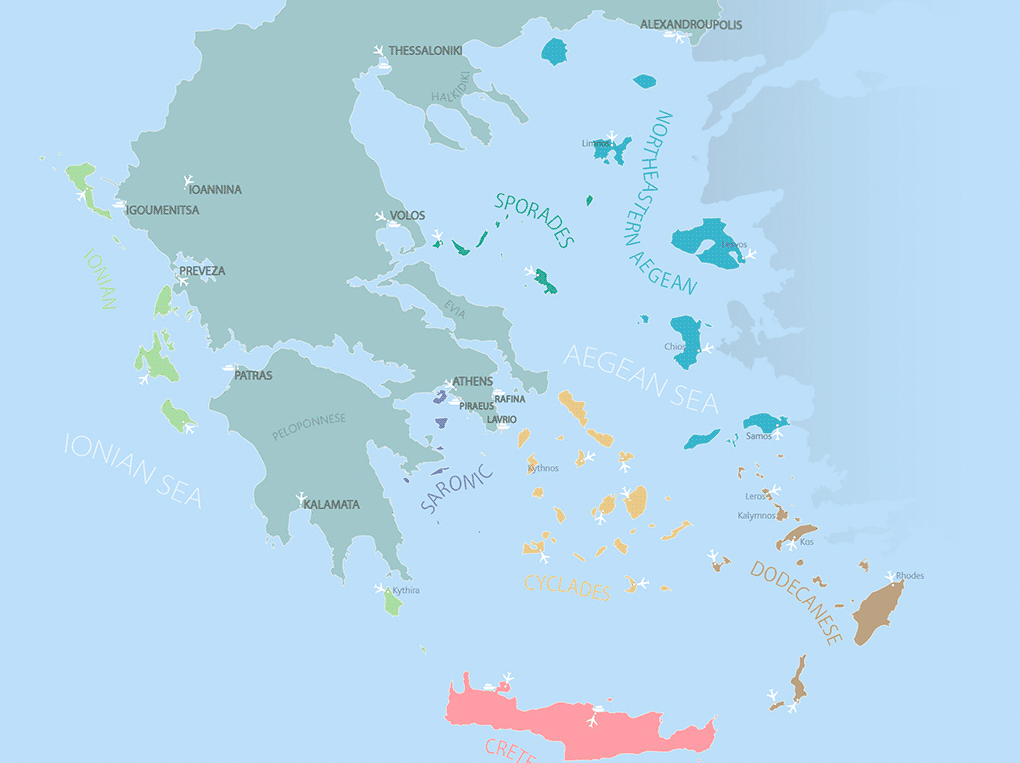
Pylos, located on the southwestern coast of the Peloponnese, is one of Greece’s most underrated yet rewarding destinations.
View Map
Pylos Portrait
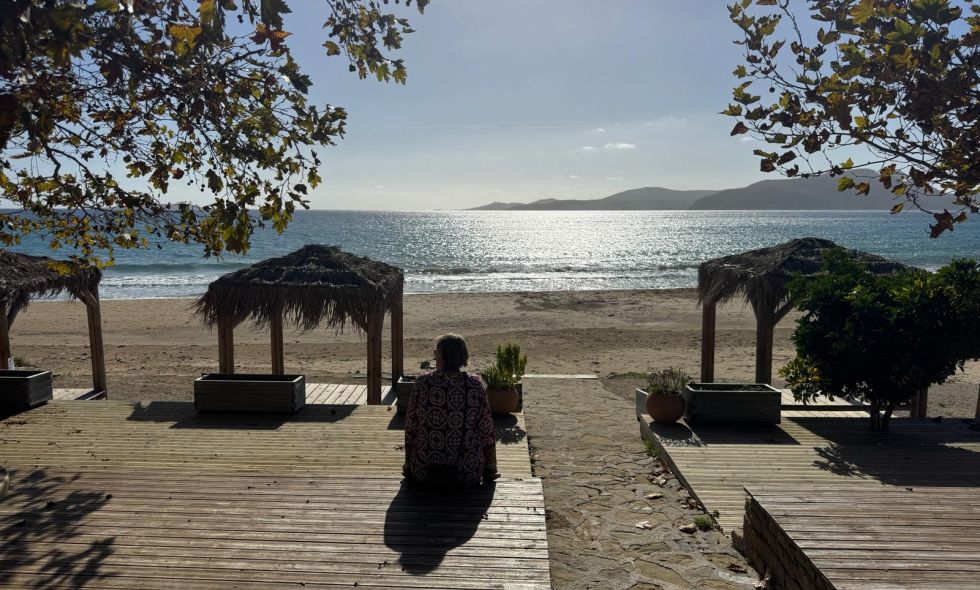
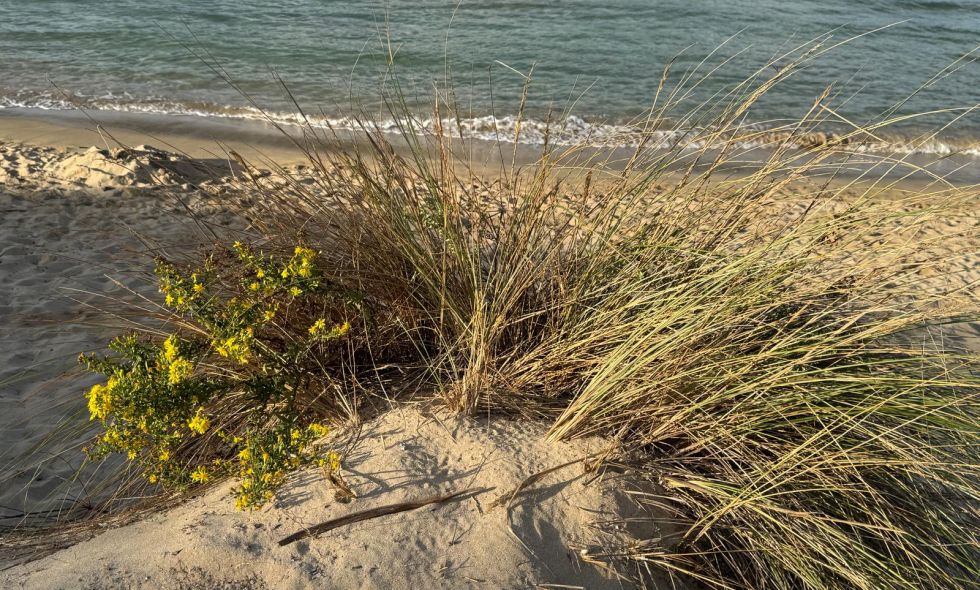
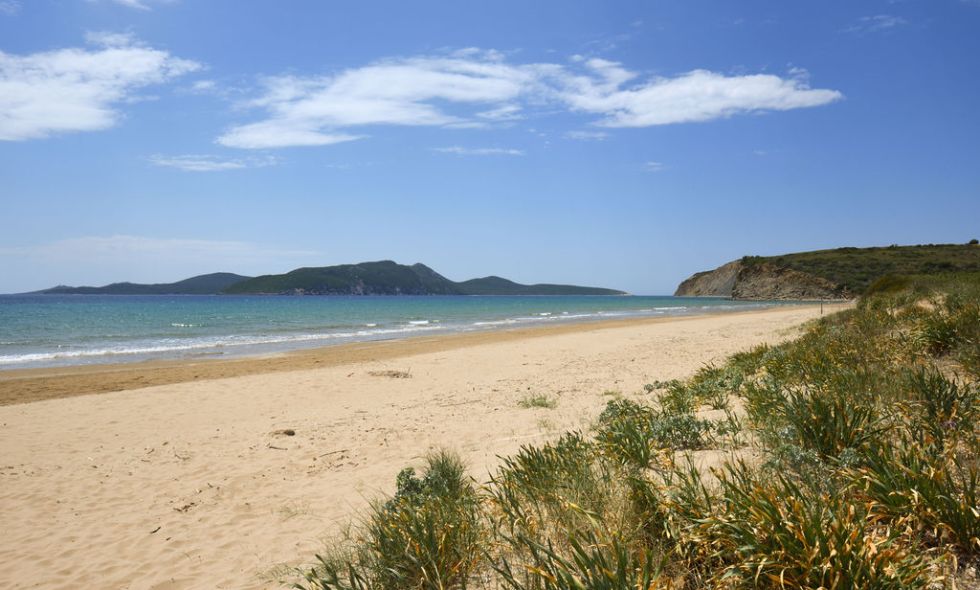
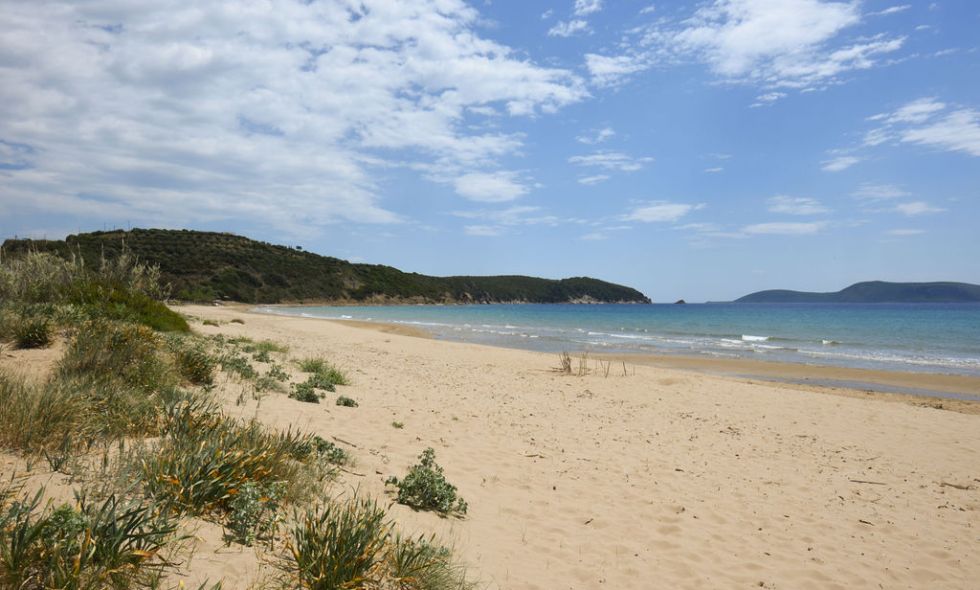
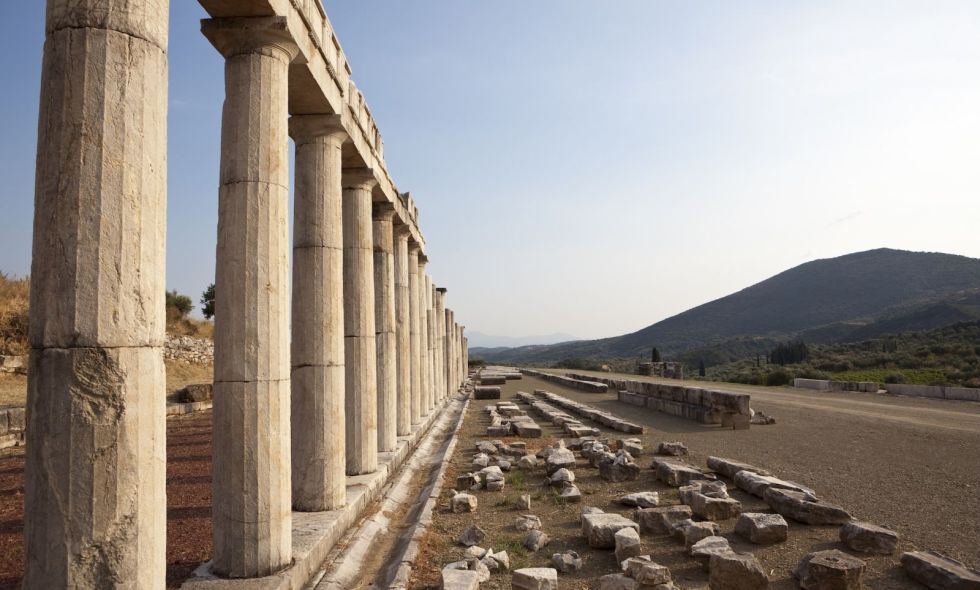
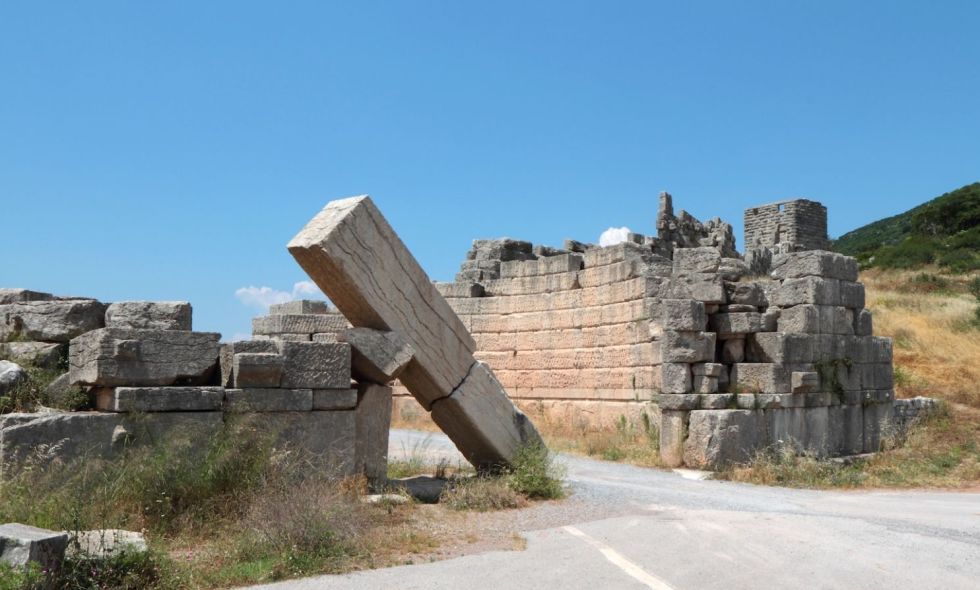






BEST FOR; history buffs, nature lovers, beach-seeking families, top handicap golf players, and others looking or something away from the beaten path.
WORST FOR: its somewhat provincial nightlife and lack of chic.
WOULD SUIT: Individuals and families with a huge range of interests wanting lots of varied activities and places to explore
WOULD NOT SUIT; those not wanting to move outside their villa or drive, those looking for instantly recognisable Instagram locations and somewhere to show off their pedicures and designer kaftans.
DON’T MISS:
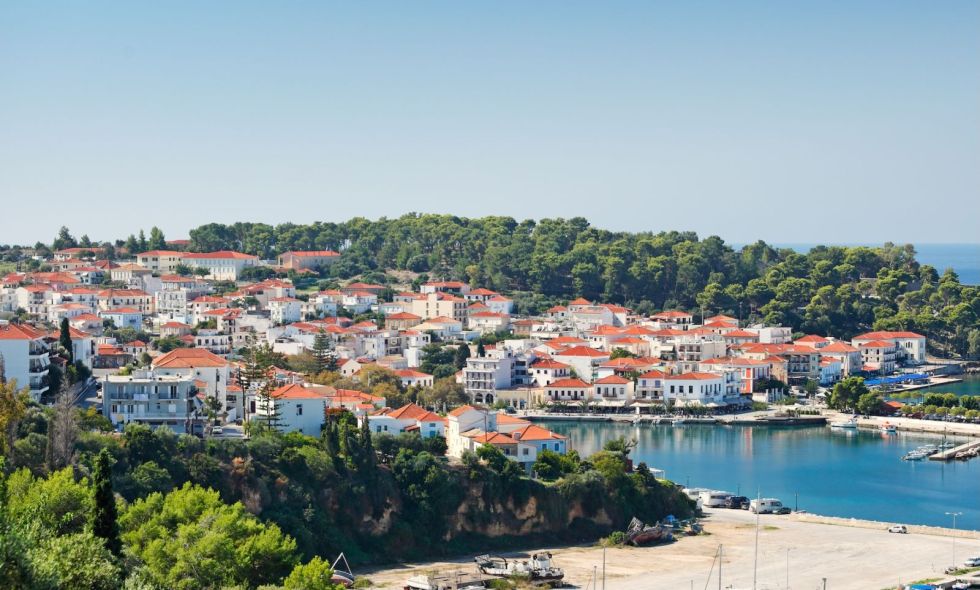
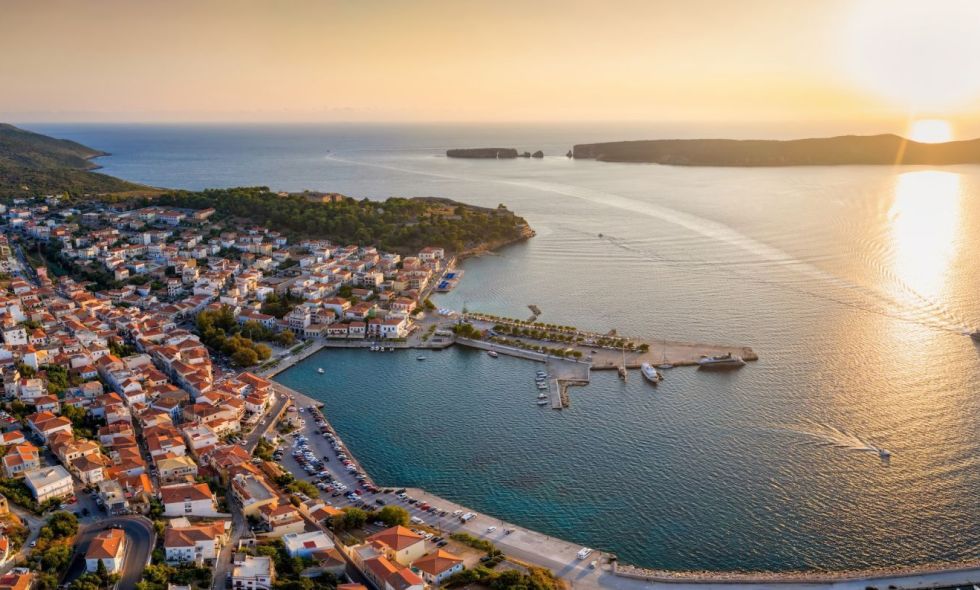
Pylos itself is a pretty harbour with a lovely waterfront and historical monuments all around, from Homeric times to the 19th century.
Pylos is the site of the Battle of Navarino, the famed naval battle between the Allies and the Ottoman-Egyptian fleets took place in 1827, a decisive moment in the Greek War of Independence where the Ottoman Turks finally lost supremacy in the Eastern Mediterranean. Every year, on October 20th, a reenactment is staged in the port, and the battle is celebrated in the Three Admirals Square. Shaded by ancient plane trees, the Monument of the Three Admirals depicts the admirals who led the three fleets confronting the Turk-Egyptian fleet, Edward Codrington, Henri de Rigny, and Lodewijk van Heiden. At its base, two cannons, one Ottoman and one Venetian, symbolize the civilizations that passed through here.
Other sights worth visiting are two sections of the Venetian Aqueduct, as well as the renovated house of four-time Olympic medalist Kostas Tsiklitiras, a local hero, which operates as a museum and houses a collection of paintings and objects owned by the philhellene René Puaux, and exhibits commemorating the Battle of Navarino.
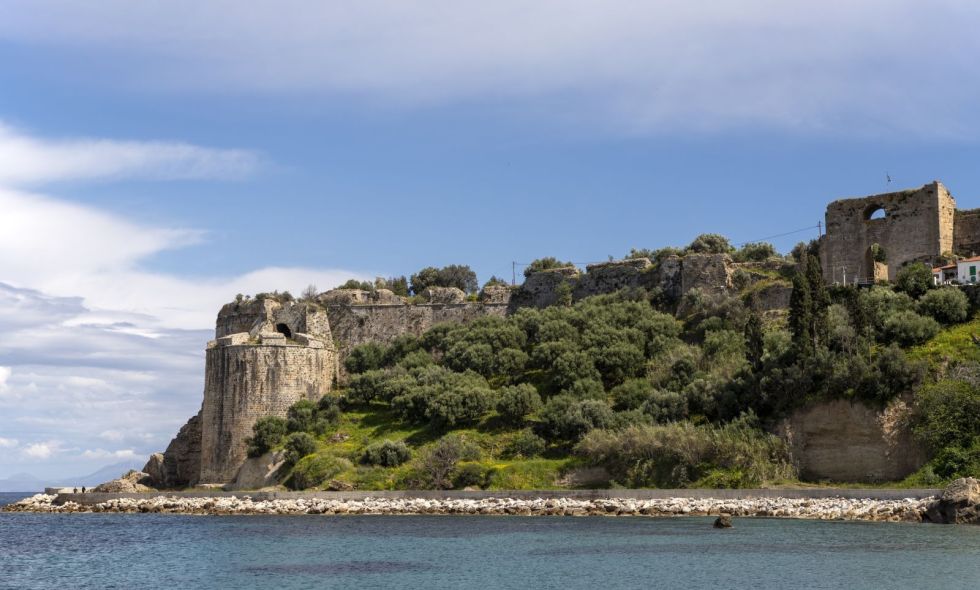
Niokatrso fortress – The best place to start would be a walk through history at this Ottoman built castle. To the west, with spectacular views overlooking the Bay of Navarino from its ramparts, the fortress was built in the 16th century by the Ottomans and later used by Venetians and French forces. Inside the walls of Niokastro, is one the wonderful Museum of Underwater Antiquities. Housed in the restored Frankish church of Transfiguration, this museum showcases artifacts recovered from ancient shipwrecks and the rich maritime history of the region, and a highlight is one of the oldest Linear B clay tablets yet discovered, from c. 1450 BC. It’s a must-see for understanding Pylos strategic role in Mediterranean history.
Further north lies Paleokastro (Old castle), the oldest castle in the region, built by the Franks in the 13th century on top of the fortifications of the ancient acropolis.
The Palace of Nestor – This is the Big One – at the beginning was Homer…Pylos was mentioned by Homer as being the kingdom of Nestor, the legendary character in Homer’s “Iliad” and “Odyssey.” Yet the current location of this small town, which was built by French general Nicolas Joseph Maison in 1828, does not identify with ancient Pylos as Heinrich Schliemann, the 19th century archaeologist who pursued Homeric sites all across Turkey and Greece discovered to his chagrin. Luckily, a few years after Schiemann’s death, the well-preserved Mycenaean Palace of Nestor, built on Eglianos Hill was discovered to be just 15 kilometres away, and is one of the main draws on the area today with its Bronze Age structures from the mid- to late-2nd millennium BC, such as living quarters, wine storerooms and workshops. The rectangular throne room stands out, and the adjacent bathroom, which features a well-preserved clay bathtub.
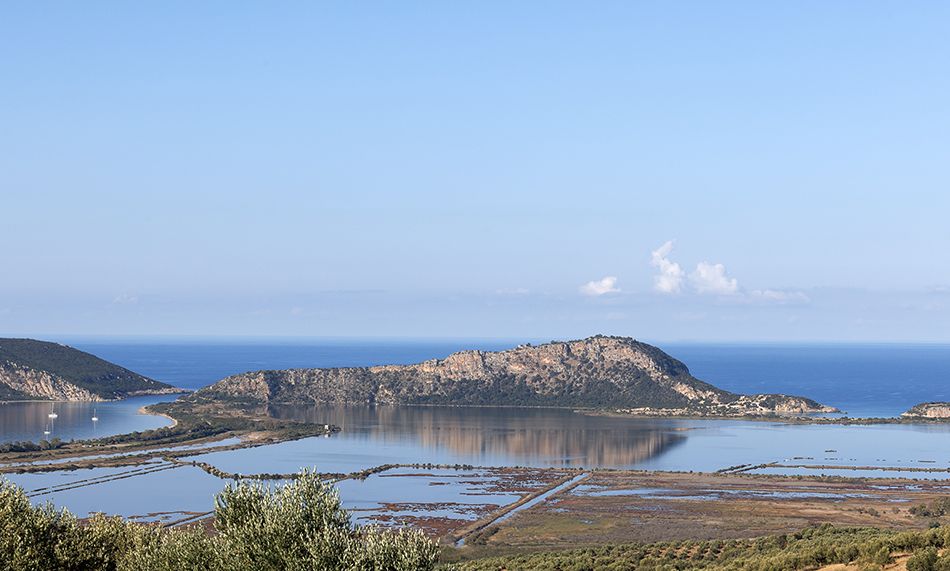
Gialova Lagoon – Part of the Natura 2000 network, Gialova lagoon is one of the most important wetlands in Europe, a peaceful nature reserve just north of Pylos, perfect for birdwatching, hiking, or cycling. It is one of Europe’s most important wetlands, home to flamingos, herons, and even the endangered African chameleon. It’s a calm escape into Messinia’s natural world. Mostly used as a station for migratory birds to and from Africa, it is home to approximately 271 species, such as herons, and stretches over an expanse of 6,000 square meters.
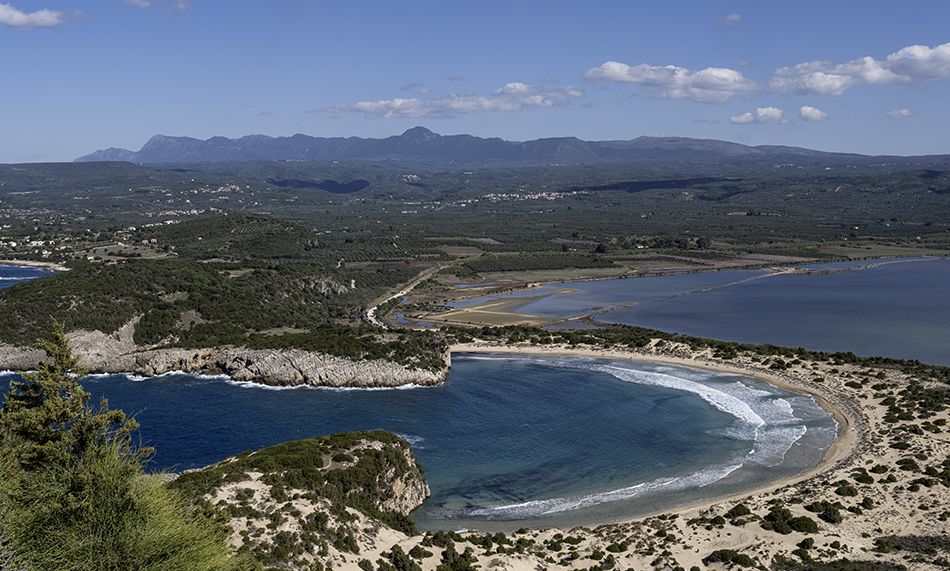
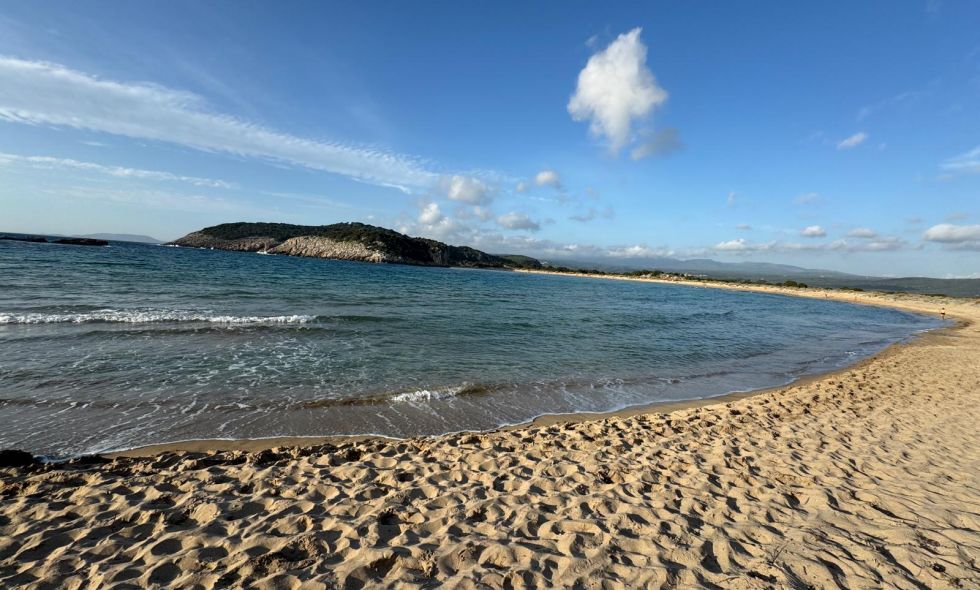
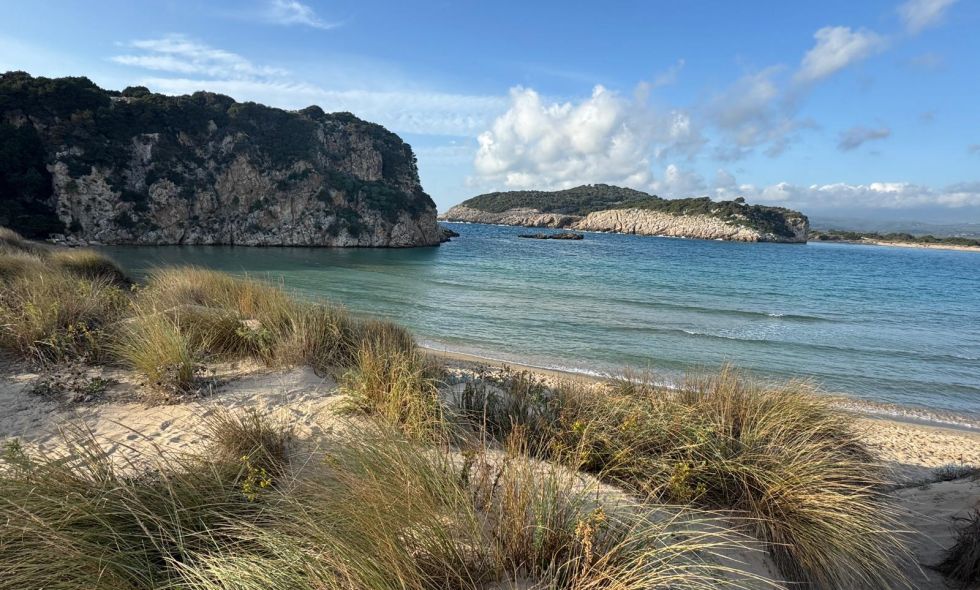
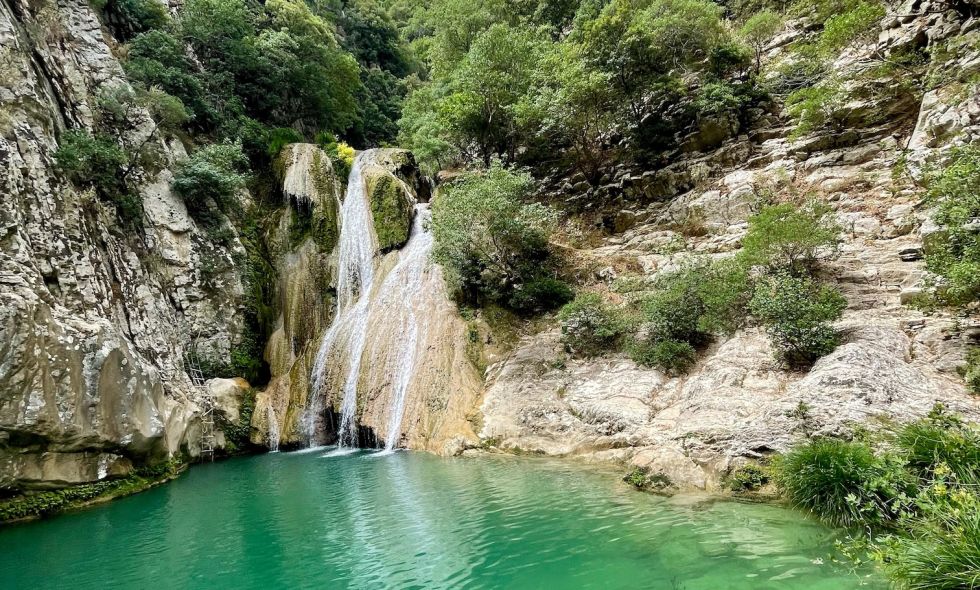
Voidokilia Beach and Kalamaris Waterall – The omega-shaped Voidokilia Beach is located at the northernmost edge of Gialova, One of Greece’s most photographed beaches, Voidokilia, is shaped like the Greek letter Omega and offers crystal-clear shallow waters ideal for families and nature lovers. Visit the observing station of the Ornithological Society and follow the 1-kilometer-long “Nature Trail,” which traverses a variety of ecosystems in the area. while a few kilometers to the east, nestled on a verdant hill, you’ll find Kalamaris Waterfall. This natural wonder is just a 15-minute hike away, on a path through the oak and pine tree forest
Activities:
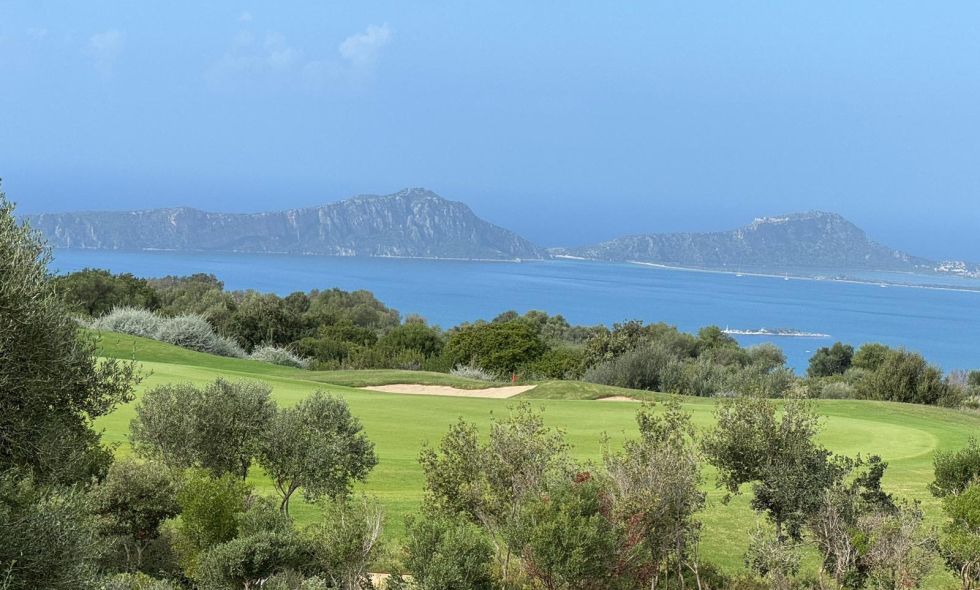
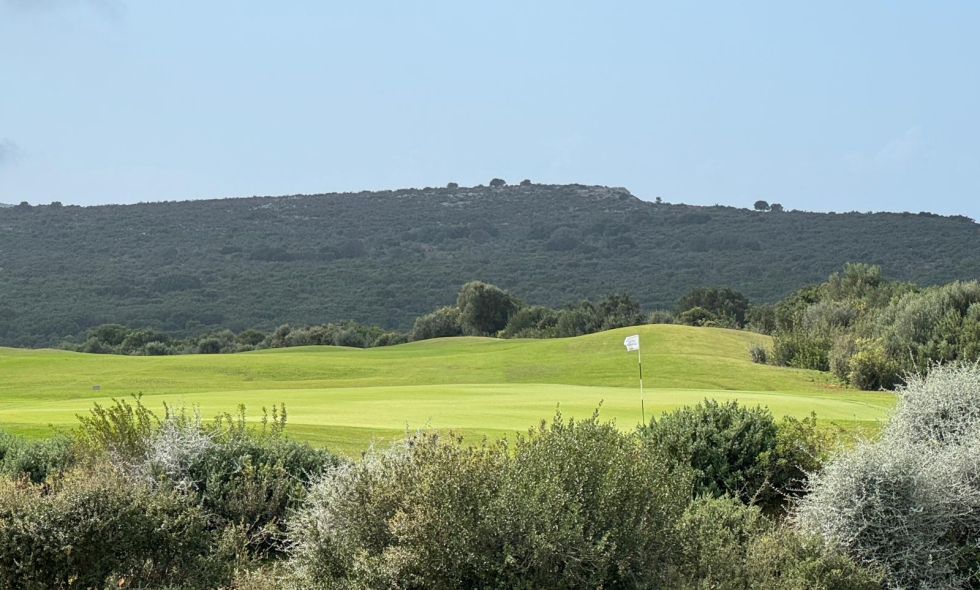
Golf – An hour and a half away is the famous Costa Navarino resort with three world-class golf courses: the Hills, the Dunes, The Bay and The International Olympic Academy, designed by Jose Maria Ozalabal, Bernhardt Langer and Robert Trent Jones – the family oriented Navarino Golf Academy offers children’s and beginners’ tuition. Experts and amateurs from all over the world come to play here and enjoy the combination of history and golf.
Diving – For underwater explorers, Pilos Dive Center offers scuba diving and snorkeling trips suitable for beginners and advanced divers alike. Discover underwater caves, ancient shipwrecks, and the rich marine life of the Ionian Sea.
Danaos Open-Air Cinema –In the summer months, catch a movie under the stars at the Danaos Open-Air Cinema a beloved local tradition in Pylos that kids and adults alike enjoy.
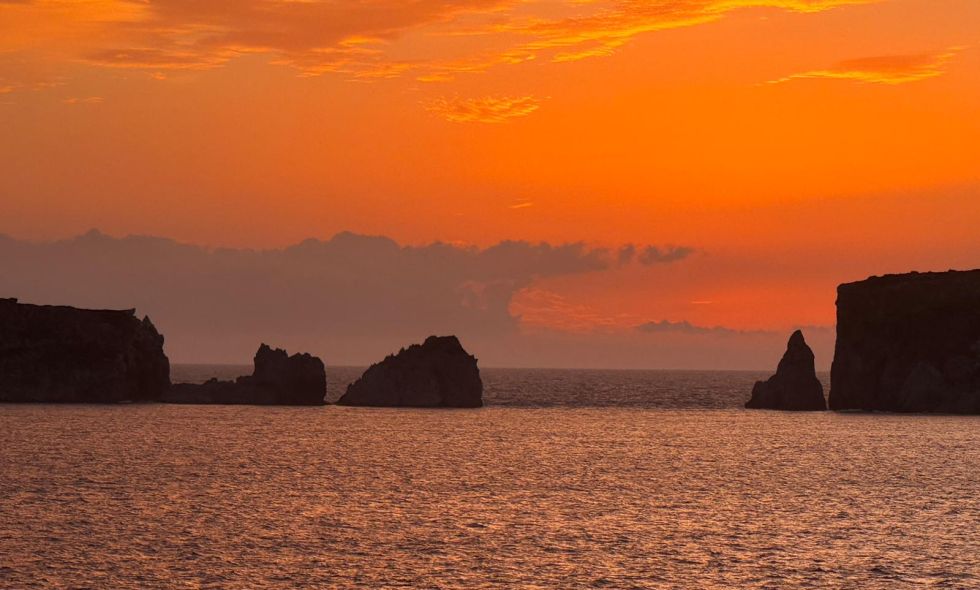
Boat trips and Sfaktiria island – Acting as a natural breakwater, this sliver of an island is part of the Natura 2000 network, as well as having a long history of conflict and war dating from antiquity to the conquest by Ibrahim Pasha of Egypt in 1825. Today it is a peaceful place to visit for its beaches and cam waters.
High Season – crowds disperse over the area so not as hectic as some of the islands. Hot days mean that sightseeing should be done early or late in the day, with mid afternoon spent best at a beach, pool, waterfall or a boat!
Low season – this is the dream – long summers and early springs make this a lush and flowery place to explore in a relaxed and comfortable way at your own pace.
For excursions further afield, see our blog “A 10 day guide to Pylos” and for more golf details, our “Golfing with the Gods blog”
For ideas on where to stay, contact the team.
We do not show villa details on our site to protect the exclusivity of our owners’ properties. We offer a unique personal service to locate the perfect villa or yacht for you – to see villa details and get our expert guidance and insight please get in touch.
Our Villas in Pylos
Read about our villas
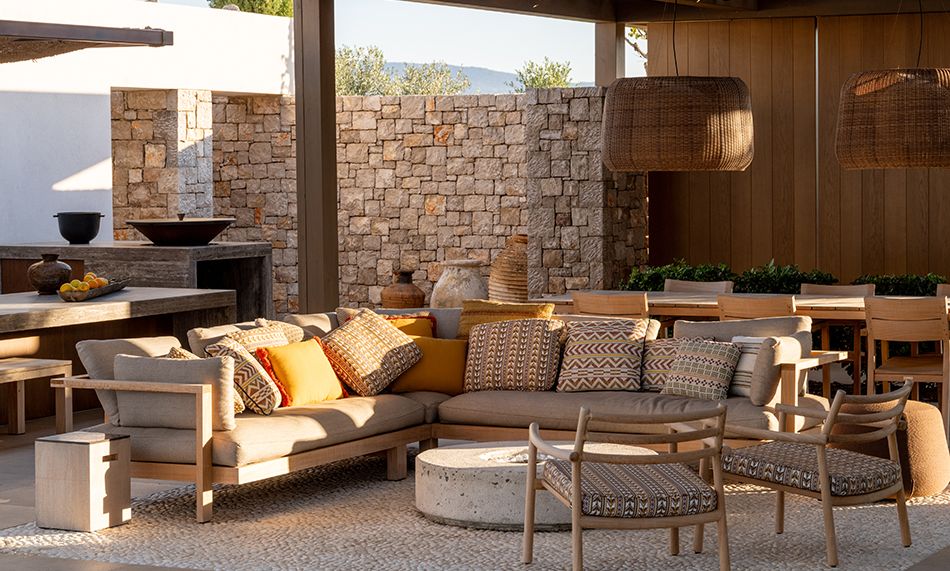
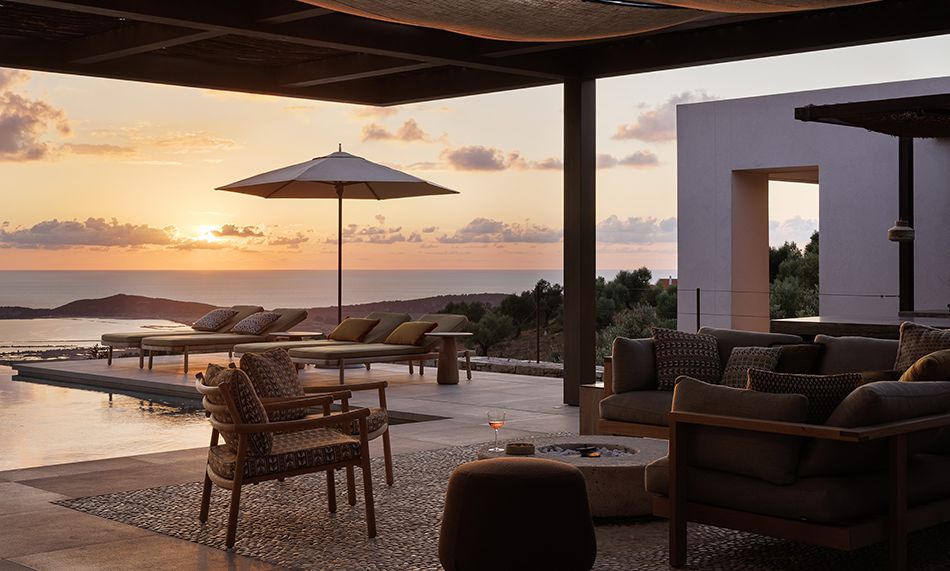
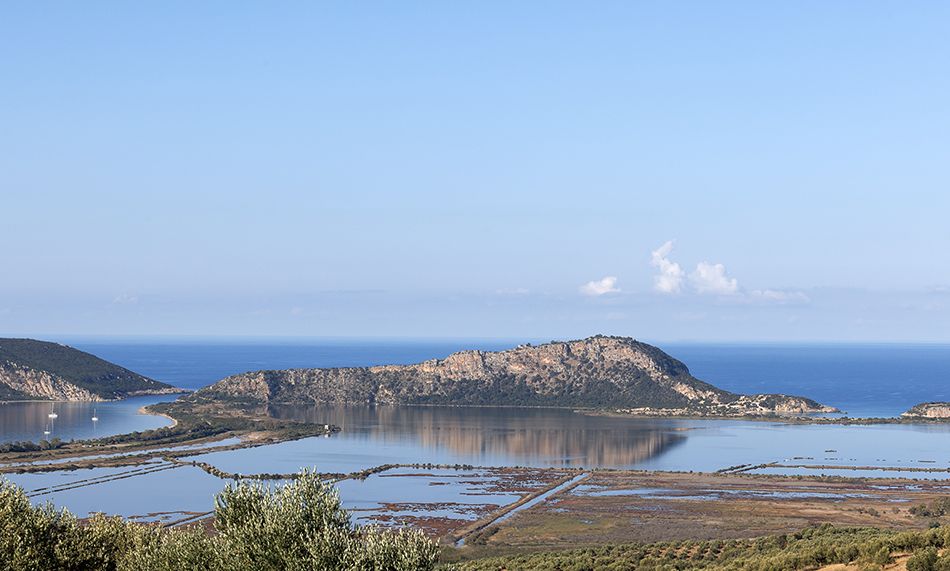
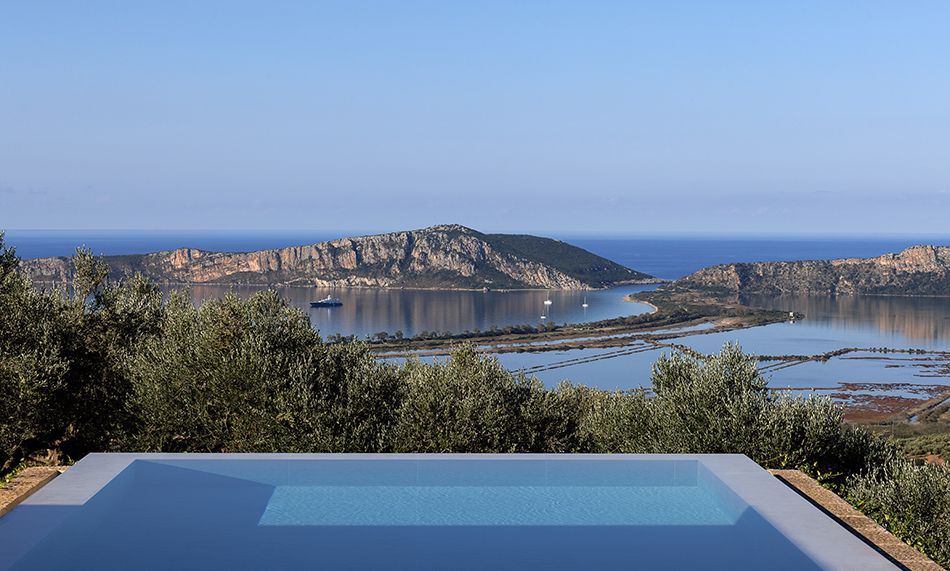
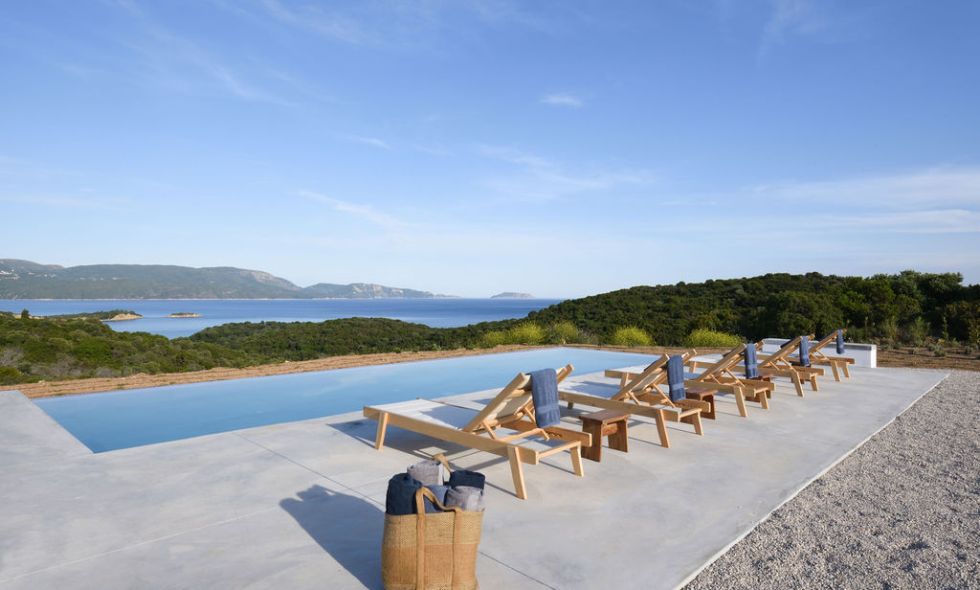
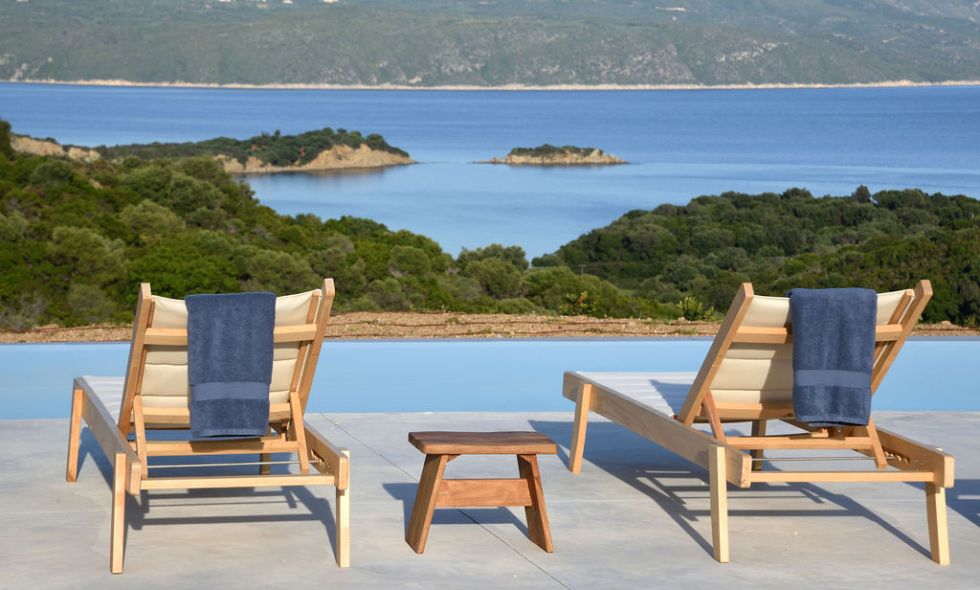


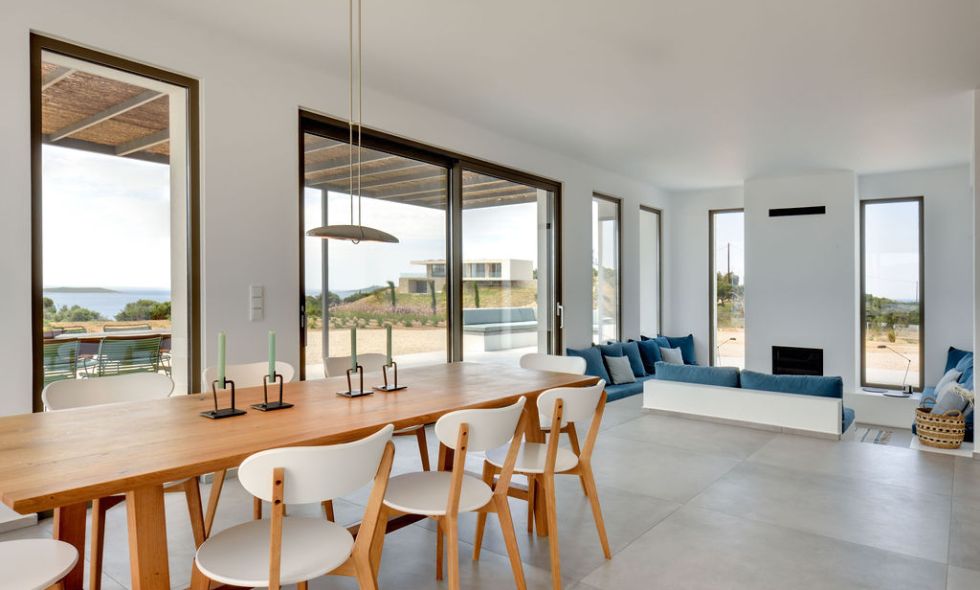
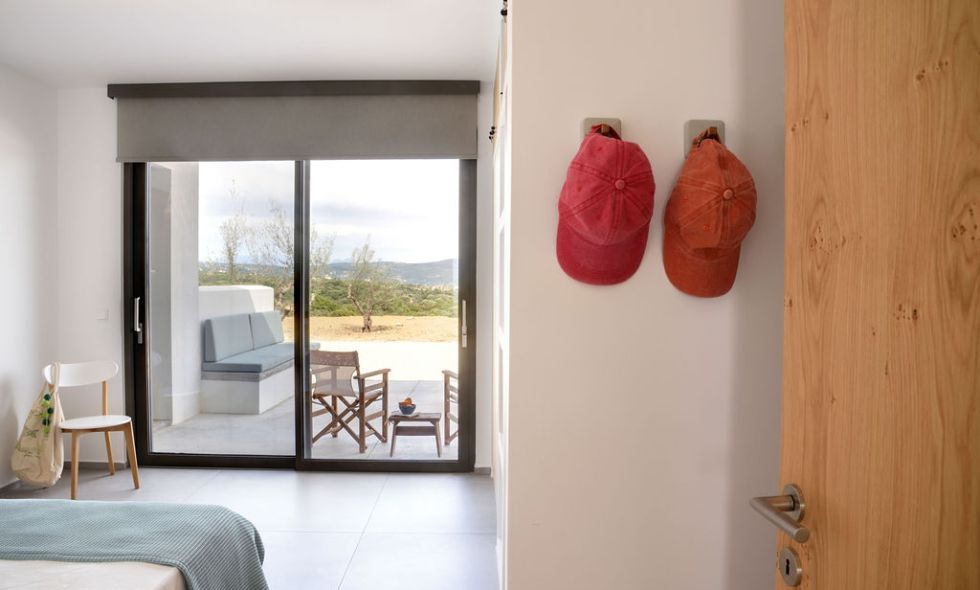
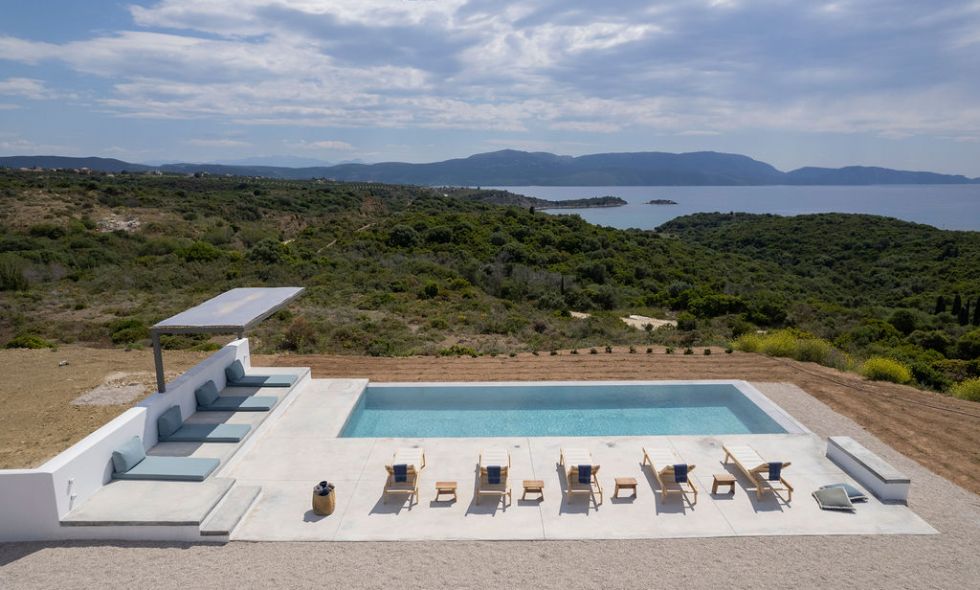
Pylos, typical villas are set on gentle hillsides overlooking the Ionian Sea, offering uninterrupted sea views framed by olive groves and cypress trees. These residences blend traditional Mediterranean architecture with modern comforts, surrounded by lush green landscapes that provide privacy, tranquility, and a strong connection to nature.
As seen in...