
In search of Odysseus – From Hollywood to Ithaca
Five Star Greece’s insider guide to the Odyssey
“Sing, oh muse of the cunning hero, the wanderer, blown off course…”
Let us blow you off course and help you discover your Ithaca.
Where was Nolan’s The Odyssey filmed in Greece?
While we Greeks, and especially we Ithacisians, are not convinced that the muse sang to him, Christopher Nolan is the obvious place to start;
Christopher Nolan’s The Odyssey offers a new vision of one of the oldest stories in Western literature; around 100,000,000 people have already seen it, and half maybe have thereby been introduced to one of the world’s oldest heroes, so even if it is not everyone’s cup of tea – one Italian critic wrote with admiral pithiness “A western man in need of a shave gets shipwrecked and becomes depressed,” – it can’t be ignored.
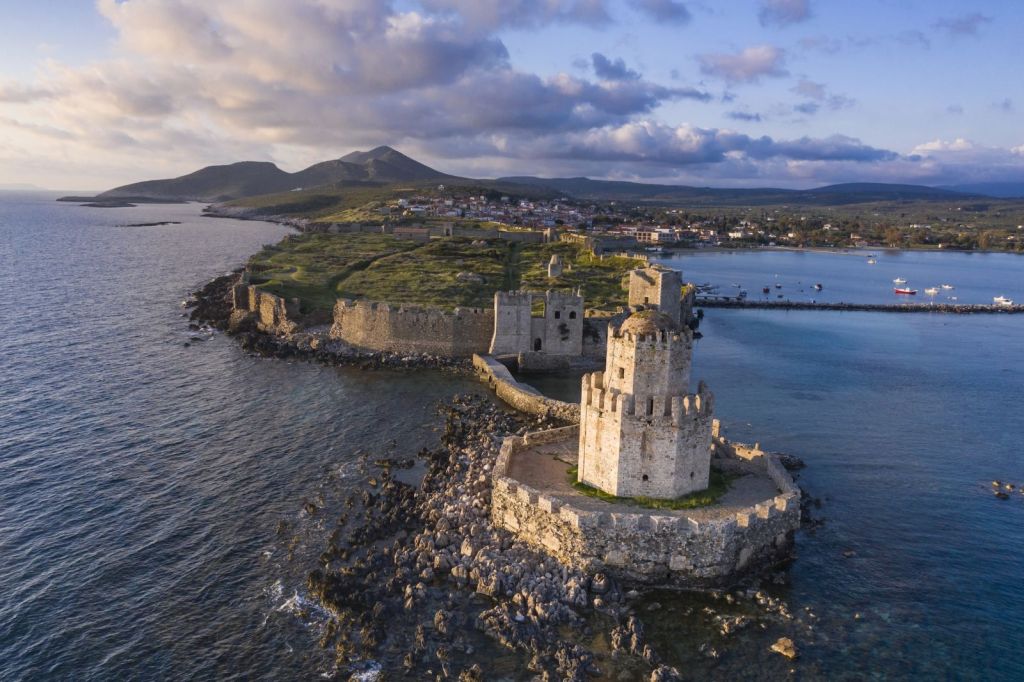
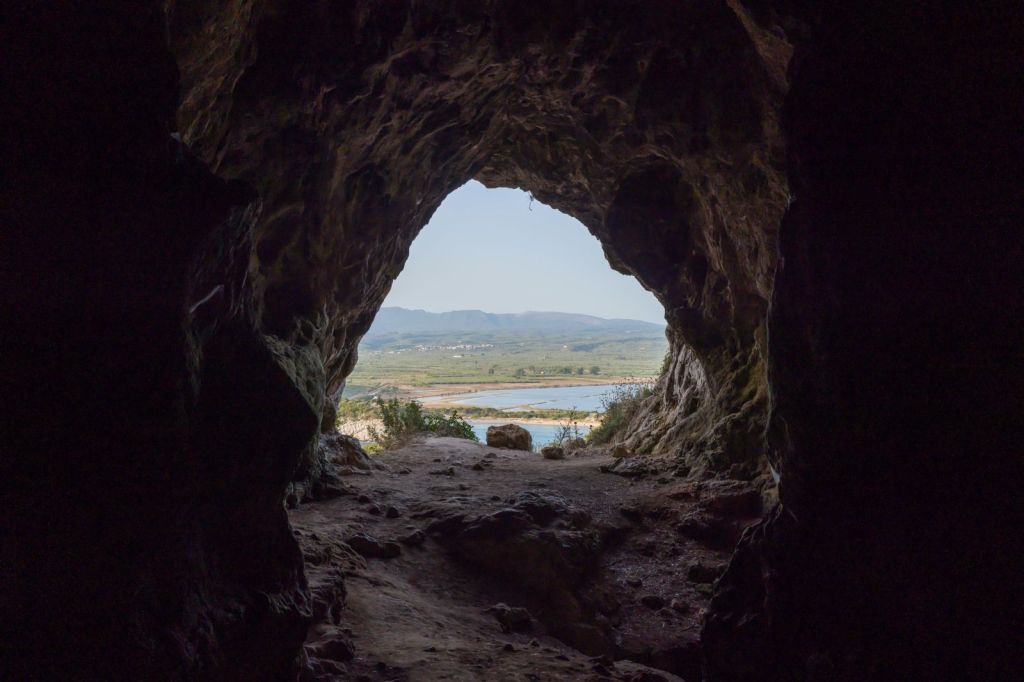
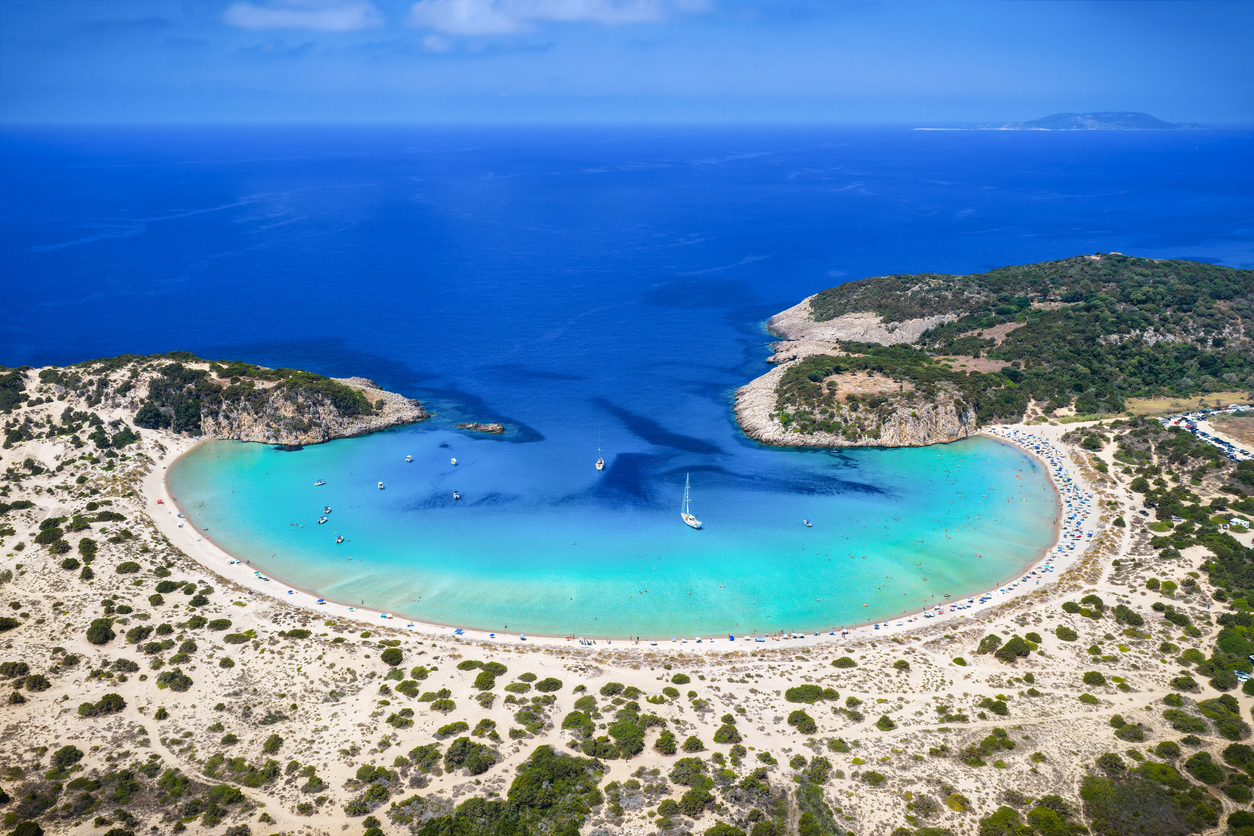
Nolan chose to bring the story to life through some of the most spectacular landscapes of the Mediterranean and Greece naturally plays a central role even if Ithaca didn’t make it in reality. The production’s Greek locations include parts of the Peloponnese, with the wider Messinia region around Pylos providing some of the most striking scenery. Among the locations associated with the production are Voidokilia Beach, Nestor’s Cave, Almyrolaka Beach and Methoni Castle, while Acrocorinth provides another dramatic historical landscape connected with the film’s Greek production.
While Nolan’s Odyssey might win Oscars, those serious about tracing the real Odyssey should look to Tim Severin’s “Ulysses Voyage.” The book is sadly out of print but hopefully will be reprinted now.
The Real Odyssey? Tim Severin’s Ulysses Voyage
The muse did sing to the British explorer and author Tim Severin, who in 1986 set out to see if the journey described by Homer in the Odyssey could actually have been made by a Bronze Age sailor. To find out, Severin returned to the Argo, the reconstructed Bronze Age galley he had previously used for his Jason Voyage. With his crew of hardy oarsmen on board, he set sail from Troy, attempting to follow the homeward journey of Odysseus as described by Homer. The expedition became known as The Ulysses Voyage.
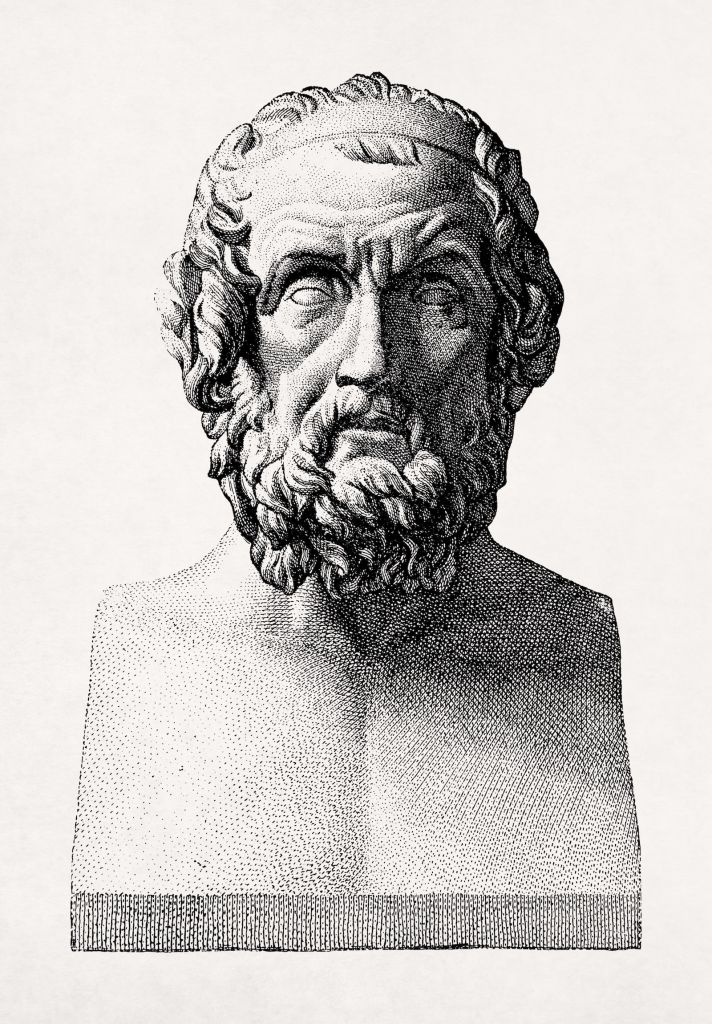
Severin approached the Odyssey not simply as mythology, but as a navigational puzzle. He studied the geography described by Homer, the prevailing winds and currents, the distances between coastlines and the practical capabilities of an ancient sailing vessel. His stroke of genius was to take the very realistic view that over time, (espeicially in southern climes…) stories become embellished and exaggerated, so as a good northerner, he decided to focus on weather as the driving constraint on Bronze age navigation , and reduce by a third every number given by Homer, so if Homer wrote that the wind blew east for 9 days, Severin sailed east for 3 days, if Homer’s Odysseus spent 3 weeks adrift, then Severin spent 1 week drifting. The extraordinary thing was that following this guideline, wherever he made landfall, he almost inevitably found some local Homeric reference in a place name, a physical feature (such as a large cave, echoing cliffs that turn bronze in the sunset, or submerged reef), or legend, where geography and myth aligned perfectly.
Severin’s itinerary remains almost exclusively within and around Greece – dispensing once and for all with the wackier ideas that went as far afield as the Straits of Gibraltar or Messina, or identifying Ithaca with other islands such as Lefkada or Kefalonia. To all Kefalonians, we love you dearly but a Odysseus theme park does not make you Ithaca, and Lefkada, just don’t even try. The most intriguing aspect of Severin’s work is that it significantly reduces the number of extraordinary events requiring supernatural explanations. Instead of crossing the whole Mediterranean, Odysseus repeatedly criss-crosses an area where detailed exploration of the coastlines, currents, reefs and weather patterns fit with extraordinary accuracy Homer’s descriptions.
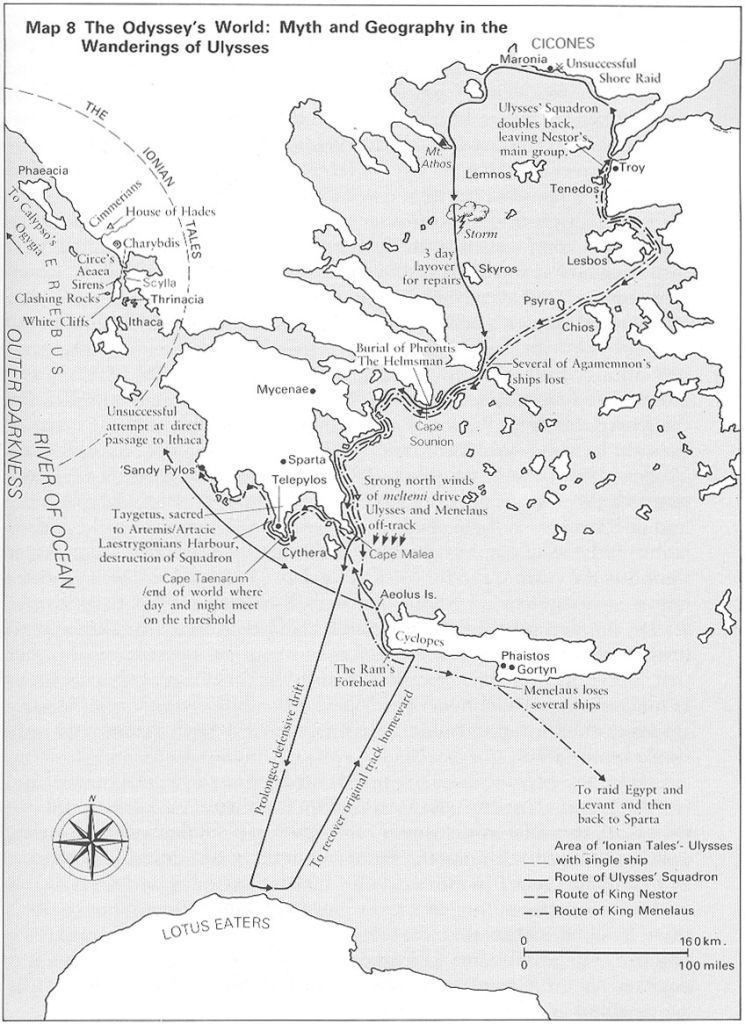
Odysseus’ journey map: Severin’s route stage by stage
- Westwards from Troy ( modern day Turkey) to the coast of Thrace, associated with the land of the Cicones and the city of Ismarus.
- Southwards towards the Land of the Lotus-Eaters, which he identifies as the island of Djerba, off the Tunisian coast, which fits the sailing times and has long been associated with lotus eater myths.
- The voyage then turned back north towards the island of Crete, which is proposed as the island of the winds, with the small island of Gramvoussa identified as the site of the Bronze Cliffs, before continuing towards the southern Peloponnese and the coastline of Mani.
- North into the Ionian Sea, where Severin proposed various sea caves as the home of Cyclops. The Odyssey then stays largely there.
- Kefalonia – Not Ithaca but part of Odysseus’ kingdom.
- Returning towards the Ionian Islands, Severin’s reconstruction placed the Sirens in the waters around Antipaxos, before returing to Lefkada, where Scylla and Charybdis are placed just off Cape Doukato on the tip of Lefkada.
- Paxos or Lefkada as the possible location for Aeaea, the island of Circe, before crossing towards Thesprotia on the Greek mainland. Here, the journey of Odysseus descended into the world of the dead, with the Acheron region providing a possible geographical site for the descent into Hades.
- The journey then brought Odysseus towards Meganisi and the Ithaca Archipelago where the cattle of Helios met their fate which led to the destruction of Odysseus’ ship. Until recent times, these small islands were curiously enough used by farmers on Ithaca as somewhere to pasture their cattle.
- From there, Odysseus was separated from his crew and eventually reached Ogygia, the island of Calypso, which Severin associated with the islands north of Corfu– but does admit that the long stay there may be a fantasy excursion referring to an earlier legend, incorporated into the main account.
- After leaving Ogygia, Odysseus once again took to the sea. His next destination was Scheria, the land of the Phaeacians, which Severin proposed could be Corfu. And from there came the final stage of the journey. Ithaca.
The journey doesn’t end there – the Greek poet C.P. Cavafis wrote a famous poem called “Ithaca”, well worth reading, where he moves us away from navigational details and historical accuracy to an interior Odyssey of the soul, where Ithaca is a metaphor for the journey of life and arrival in Ithaca is not the point – the point is the journey that it has given you.
Your own Odyssey with Five Star Greece?
How do you create your own Odyssey in comfort and without too much drama?
There is no need to sail a Bronze Age galley or spend ten years at sea, and you certainly do not need to battle mythical monsters. With our help, you can experience your own Odyssey in a very different way, from the privacy of a luxury villa or by private yacht with a carefully designed itinerary and a siren-proof captain, and with the freedom to decide exactly how you want to travel.
Inspired by Nolan’s cinematic landscapes and Tim Severin’s remarkable expedition, Five Star Greece invites you to create an Odyssey of your own. We can propose legendary villas for you to experience your own journey – whether of the soul or physical: here are our suggestions for where to stay.
WHERE TO GO AND HOW TO VISIT – IN FIVE CHAPTERS
Chapter One: Locations from Nolan’s Odyssey – Pylos and Messinia
The western Peloponnese offers a landscape of extraordinary variety. Pylos is one of the few Homeric Kingdoms that can be easily identified – King Nestor’s Palace is a must-see.
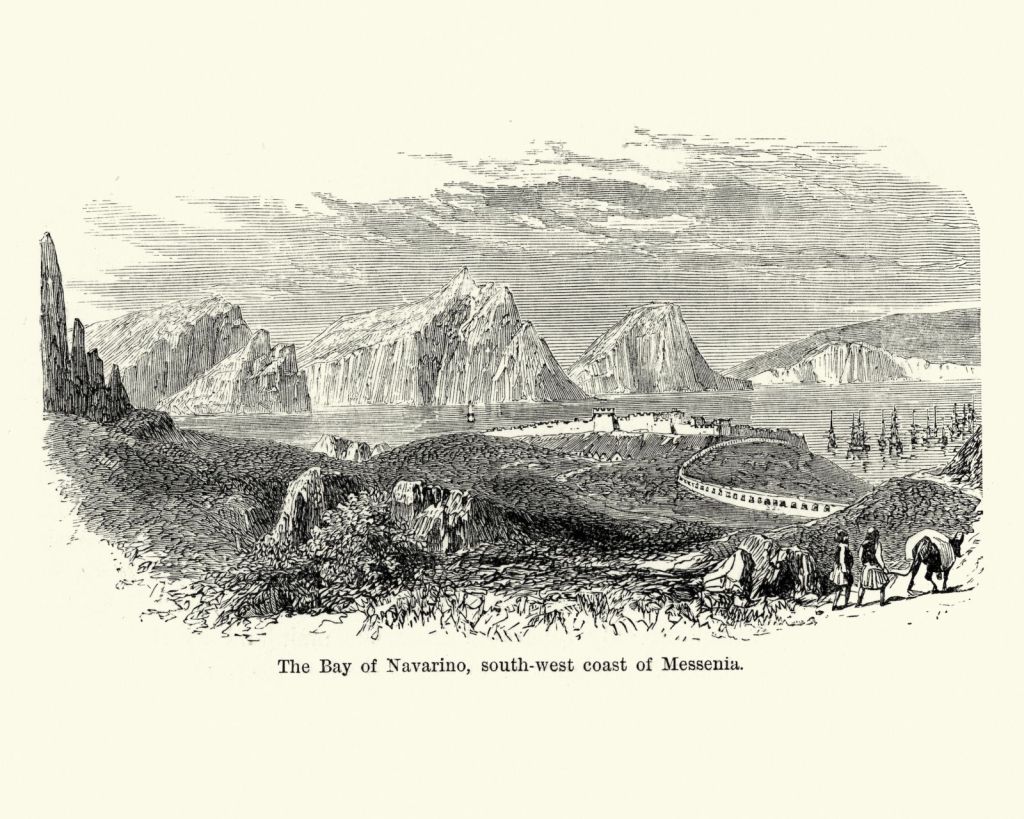
Navarino Bay give way to long beaches, secluded coves, olive groves and historic landmarks. At Voidokilia, the almost perfect crescent of sand and turquoise water creates a scene that feels almost too beautiful to be real.
At Methoni, a medieval fortress stretches dramatically into the sea.
At Acrocorinth, a little known acropolis a with a wonderful museum and the ancient Frankish fortress below it, occupy an extraordinary position, commanding views across the surrounding countryside and towards the Gulf of Corinth.
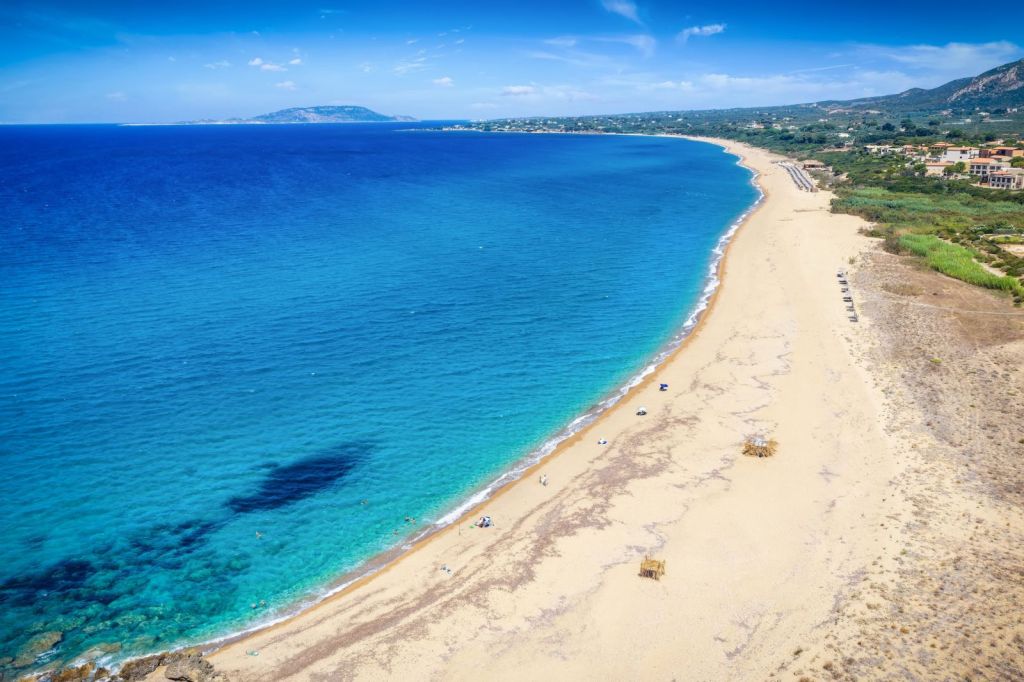
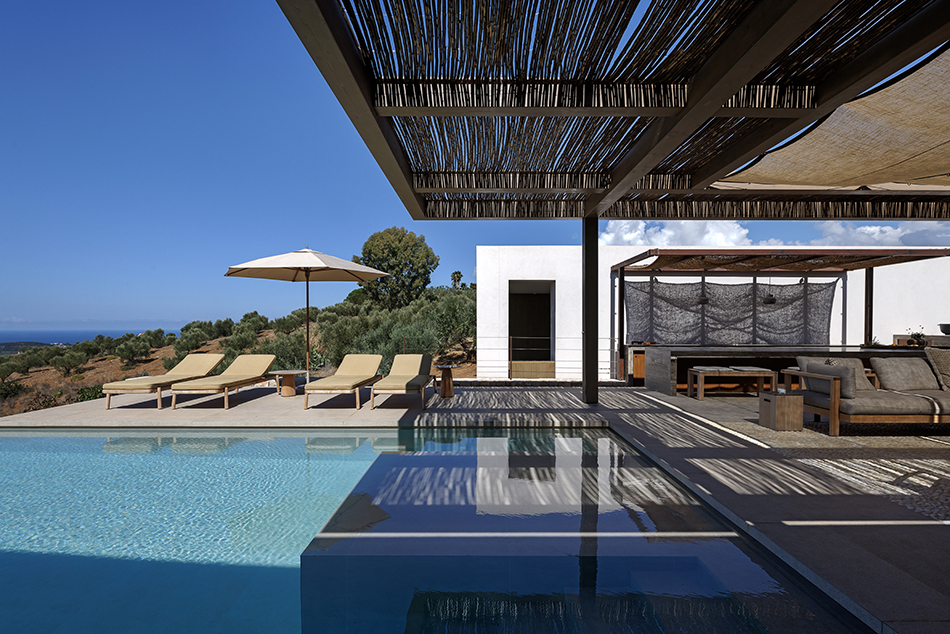
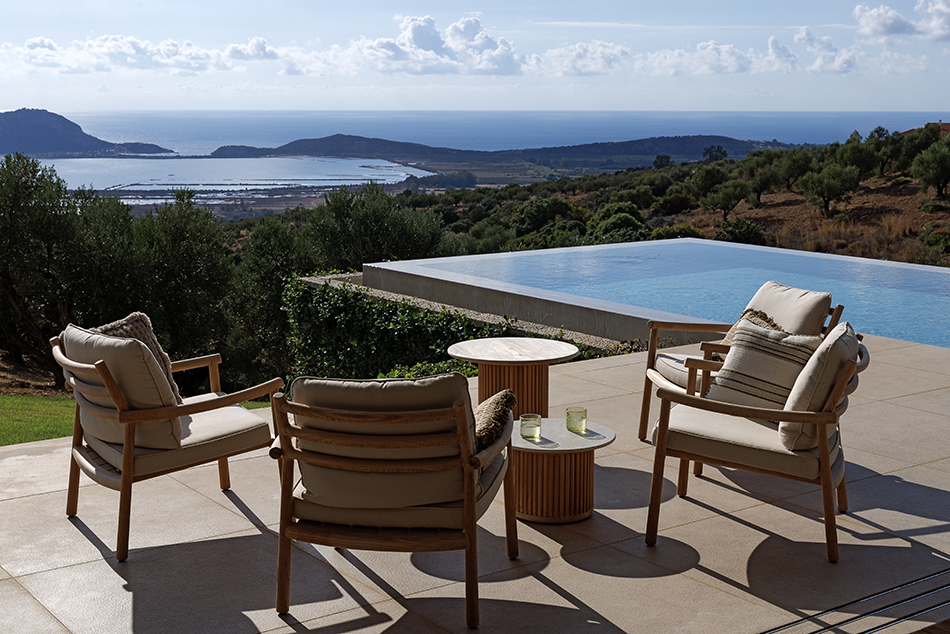
Pylos ZBR
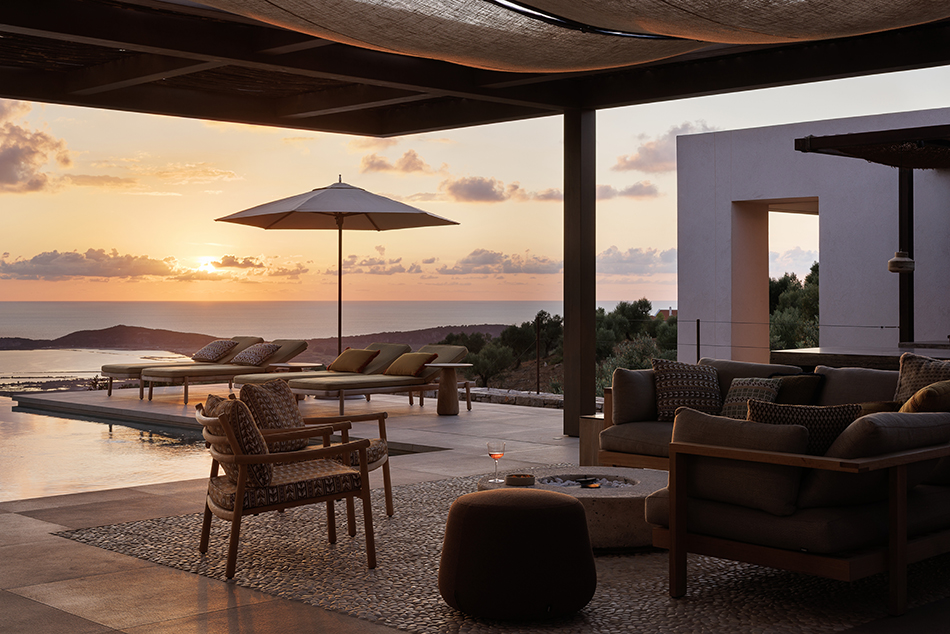
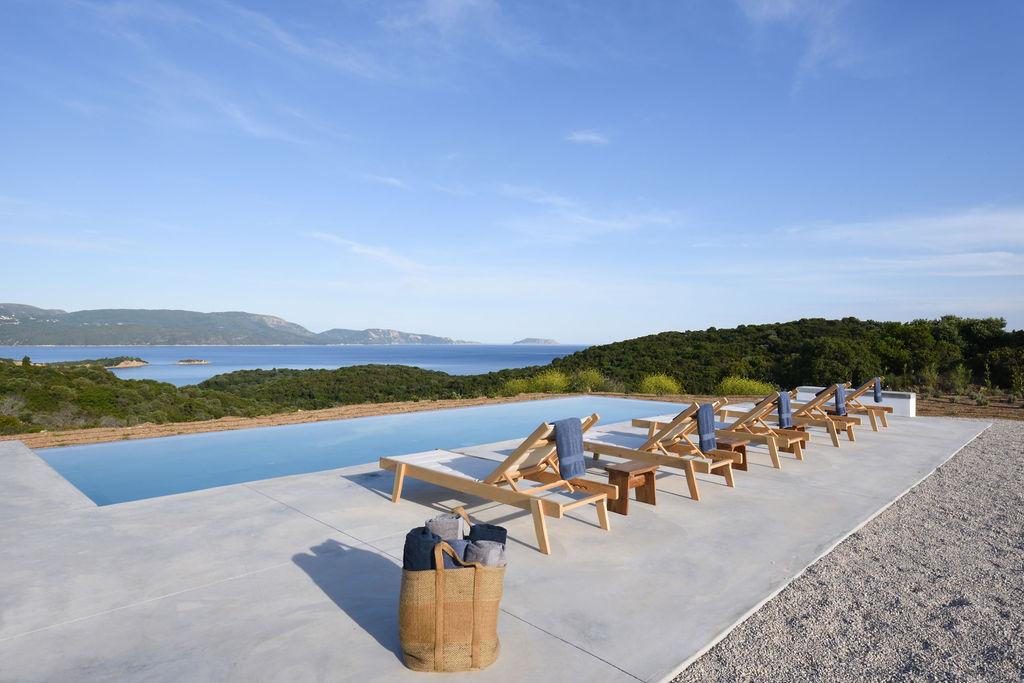
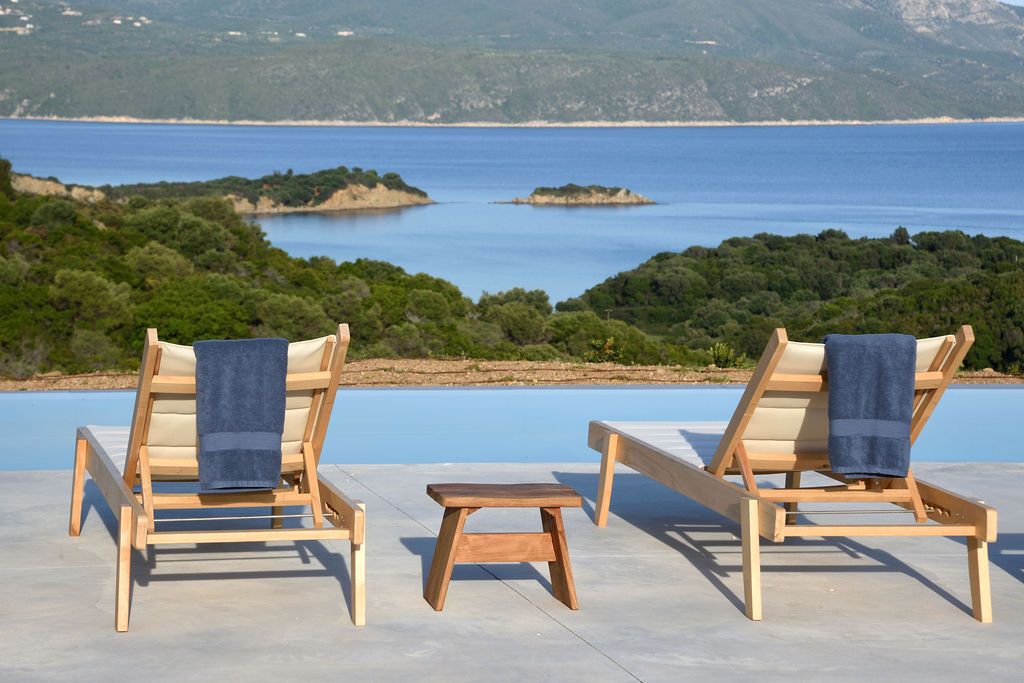
Pylos BBR
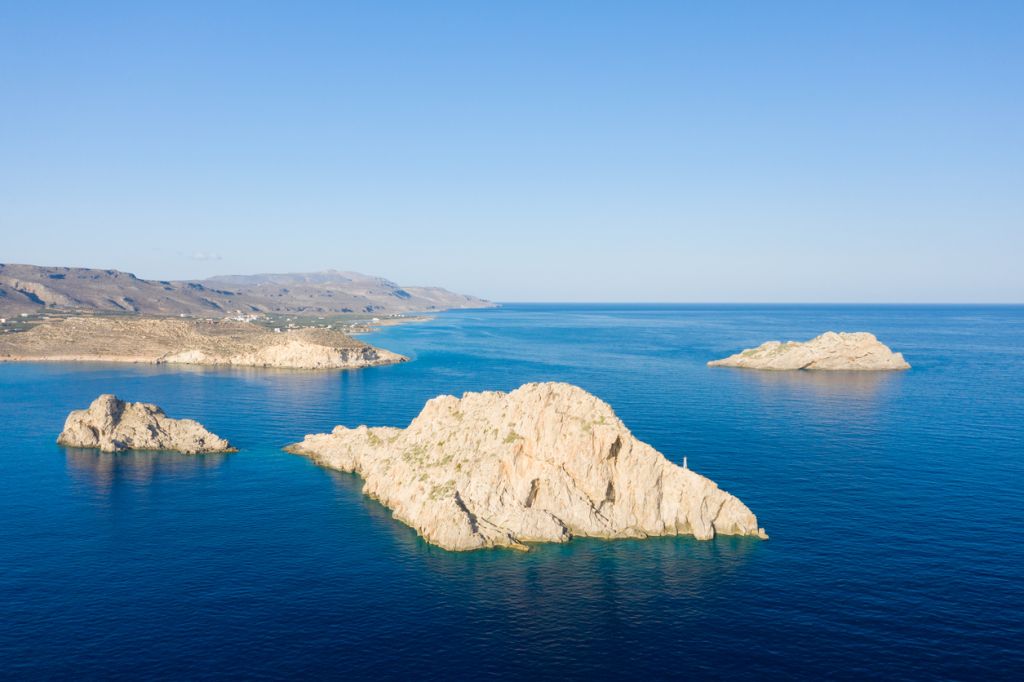
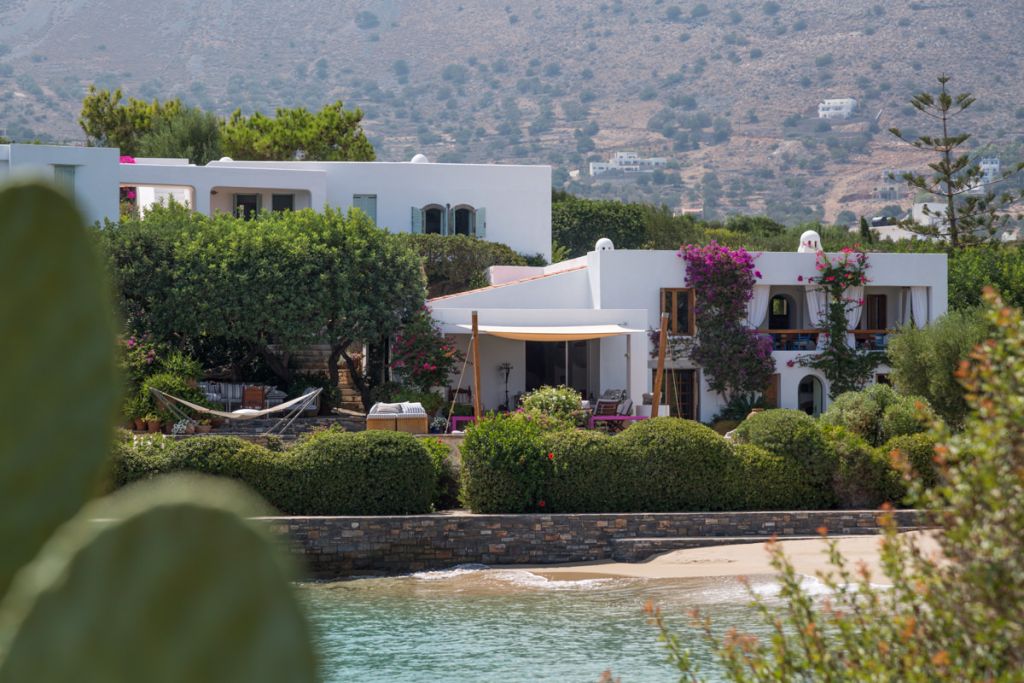
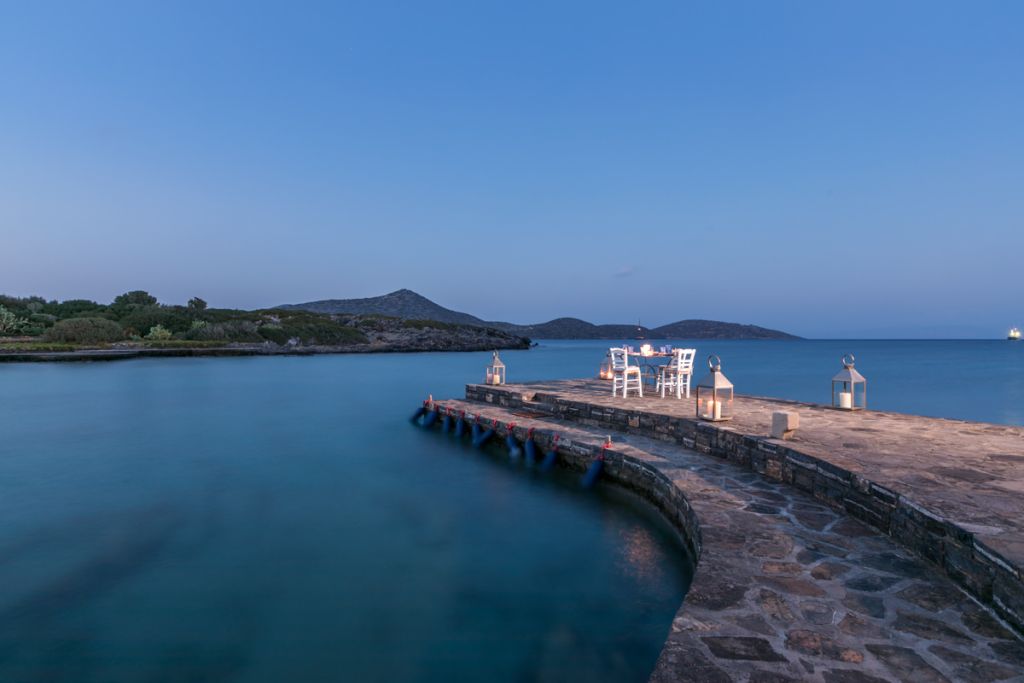
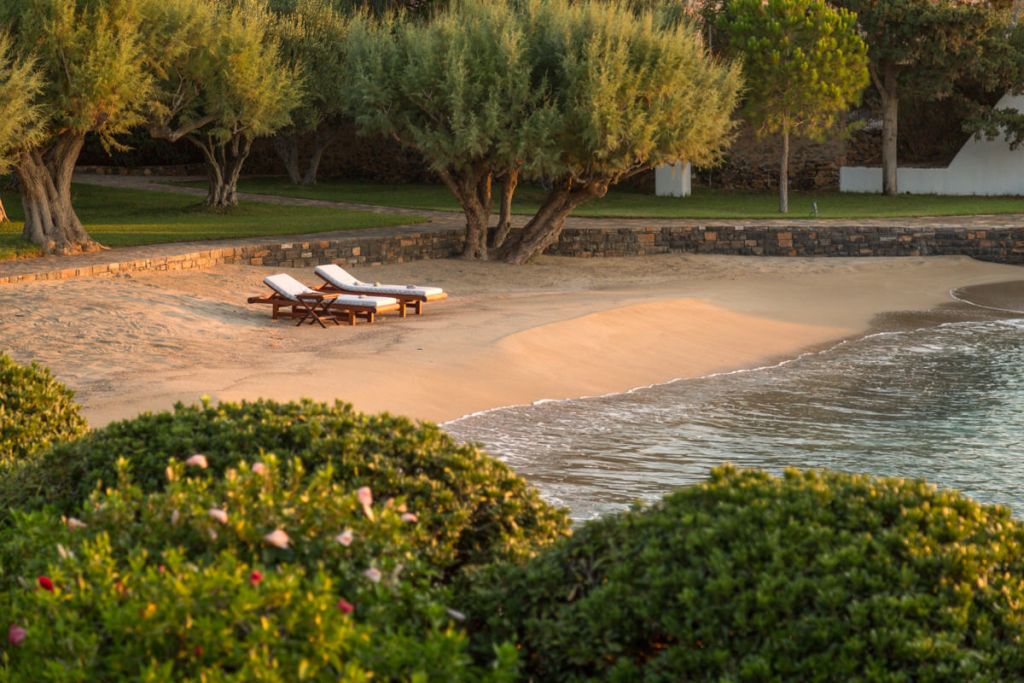
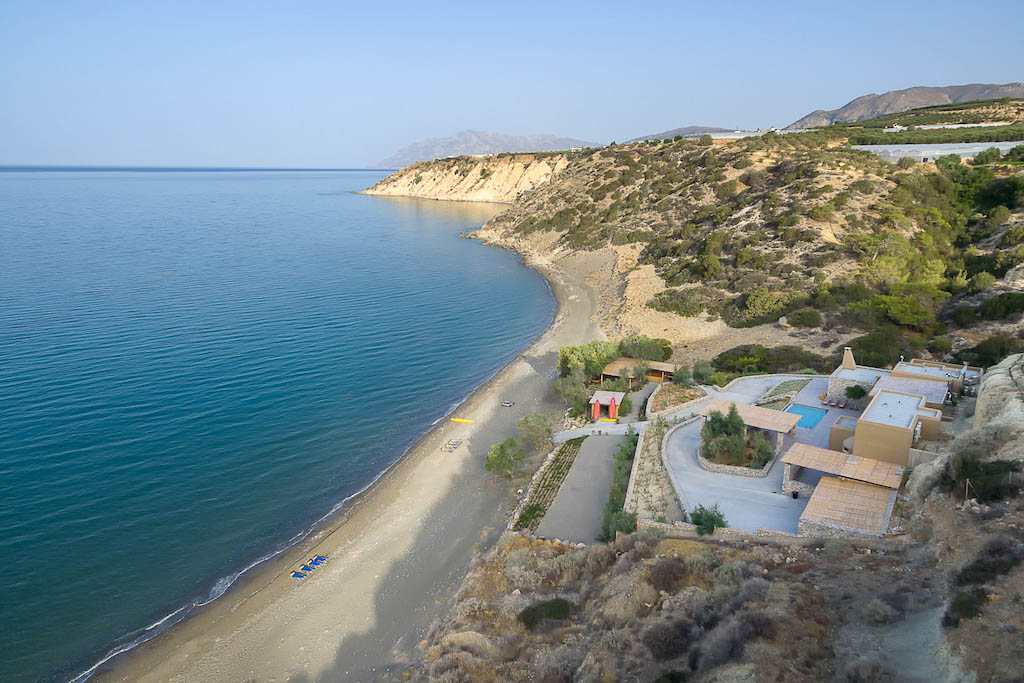
Chapter Two: The Bronze Cliffs and The home of Aeolus, Keeper of the Winds – Crete
Odysseus himself is said by Homer to have called himself a Cretan when trying to travel incognito. Try being a Cretan yourself for a while. Isn’t discovering hidden parts of yourself the point of travelling?
Crete EL
Crete MB
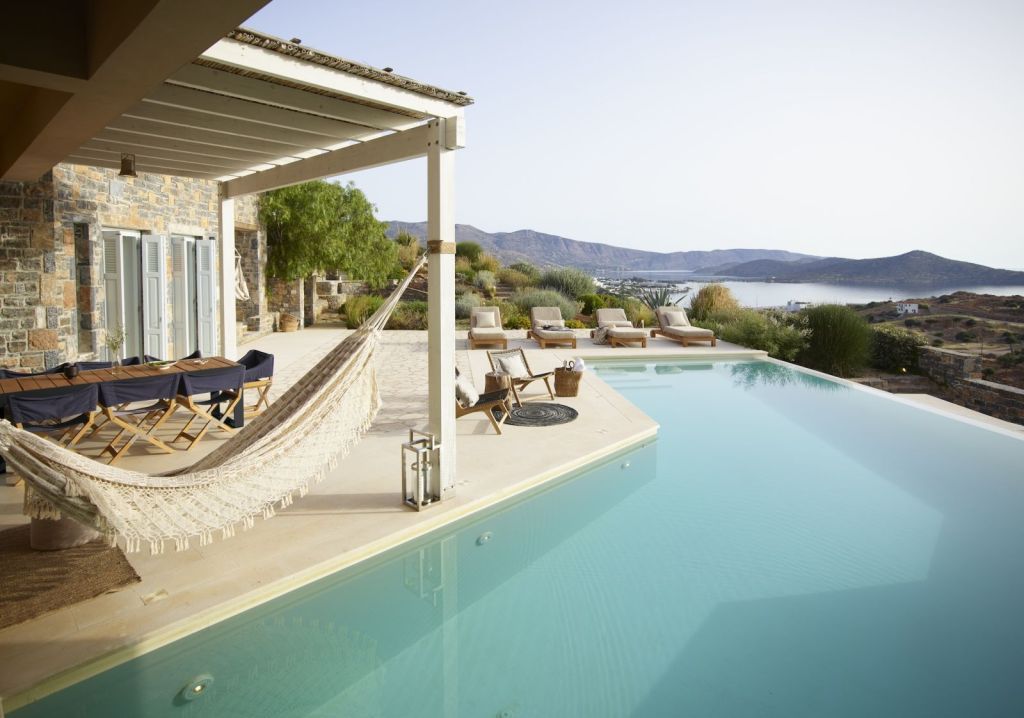
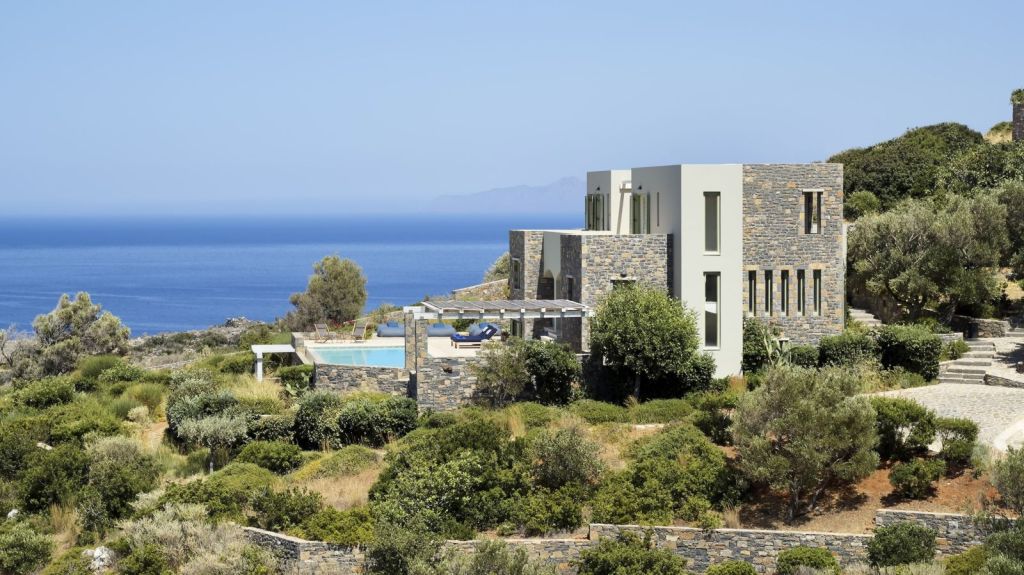
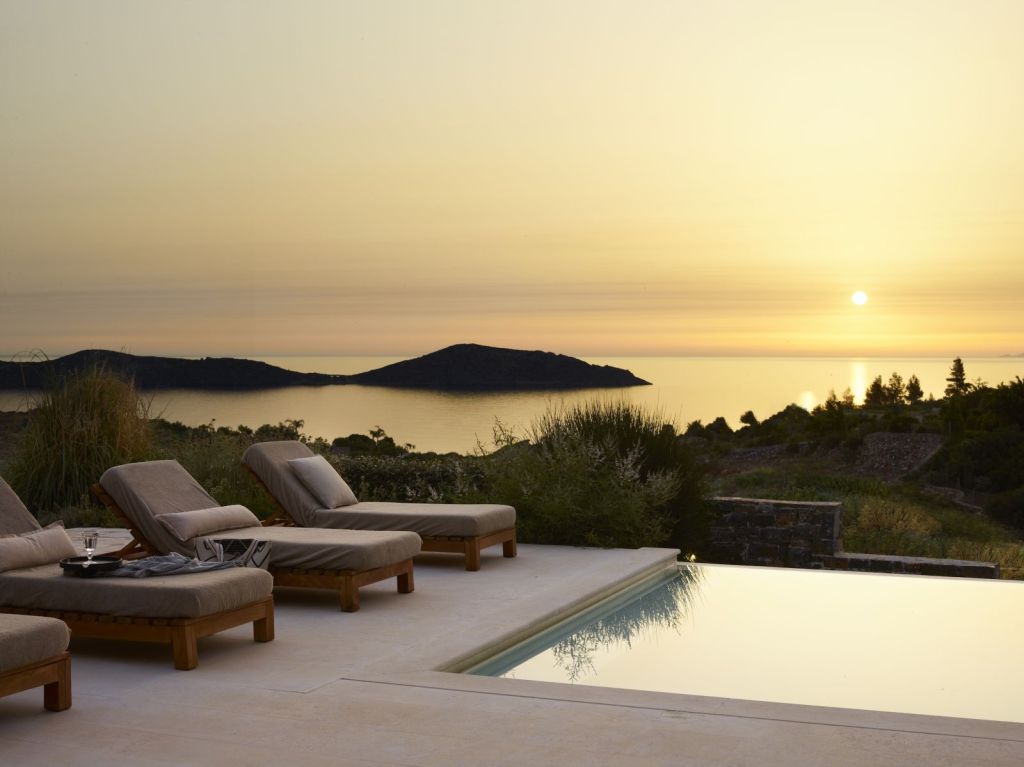
Crete Beach House
Chapter Three: Lefkada and Meganissi
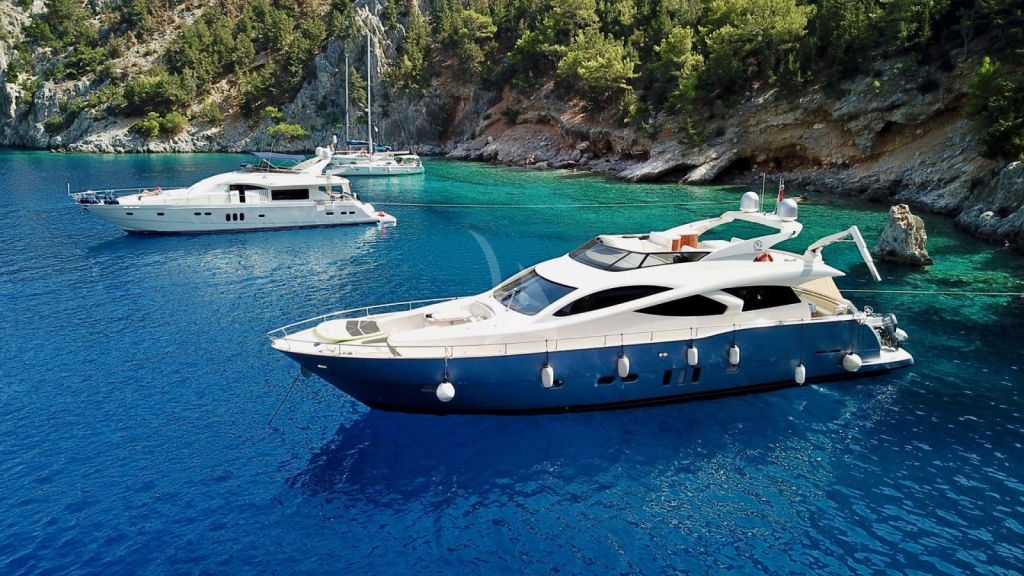
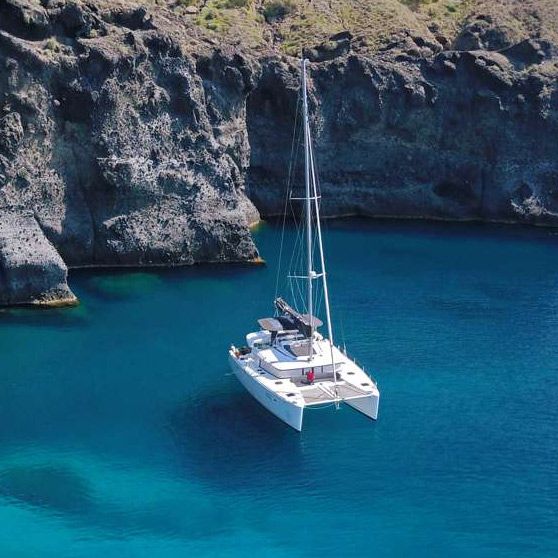
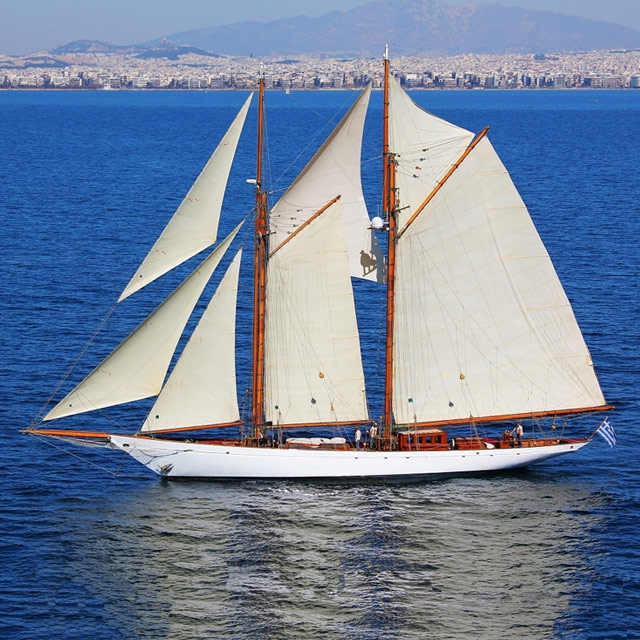
Lose yourself like Odysseus in the timeless Ionian Islands where most of the Odyssey really took place: Explore from a villa or a comfortable motor yacht/sailer. Stop wherever the water looks inviting. There is no fixed route. No timetable. Only the sea.
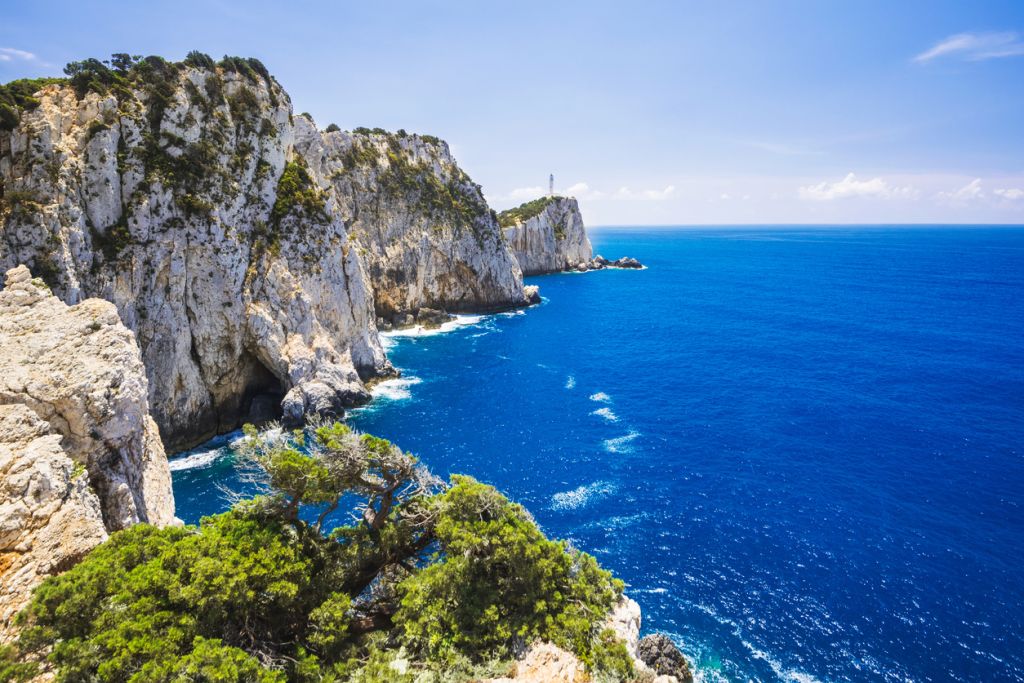
Lefkada JD
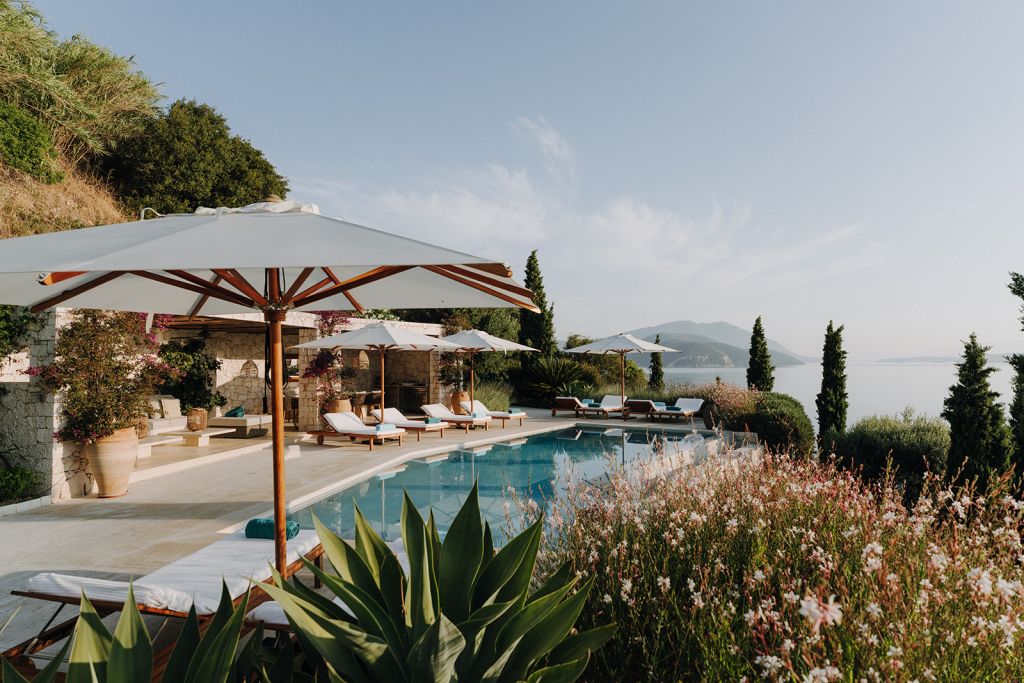
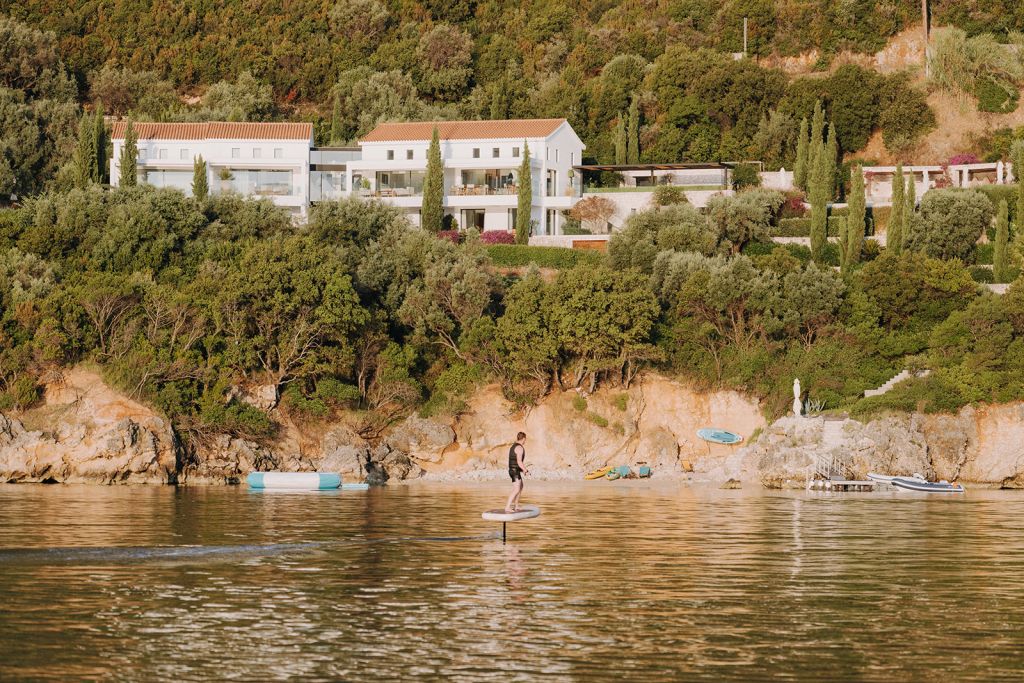
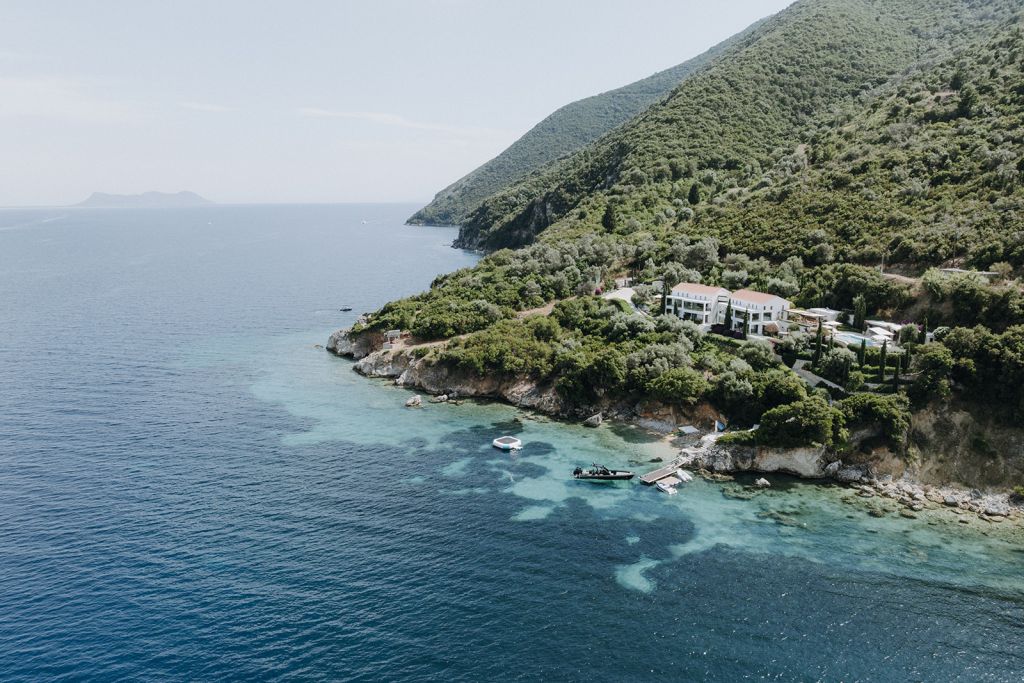
Lefkada UR
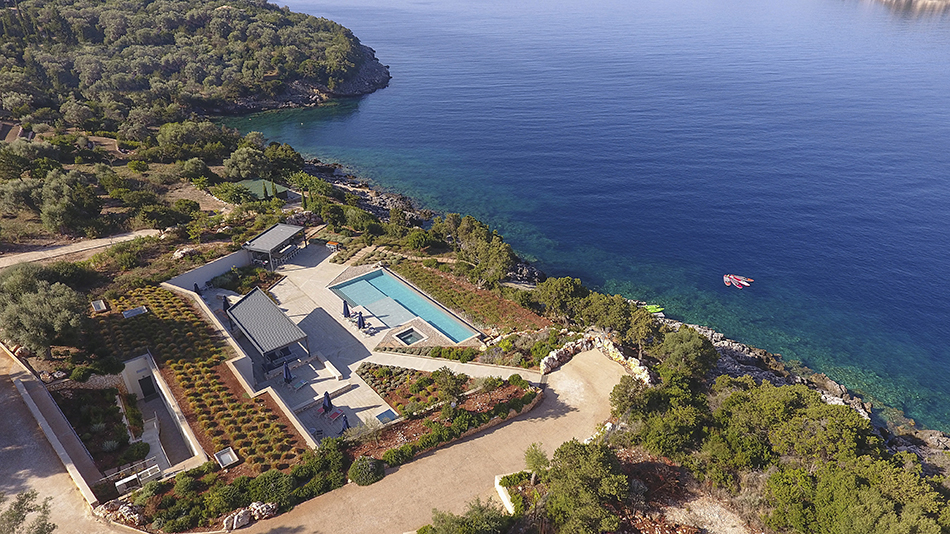
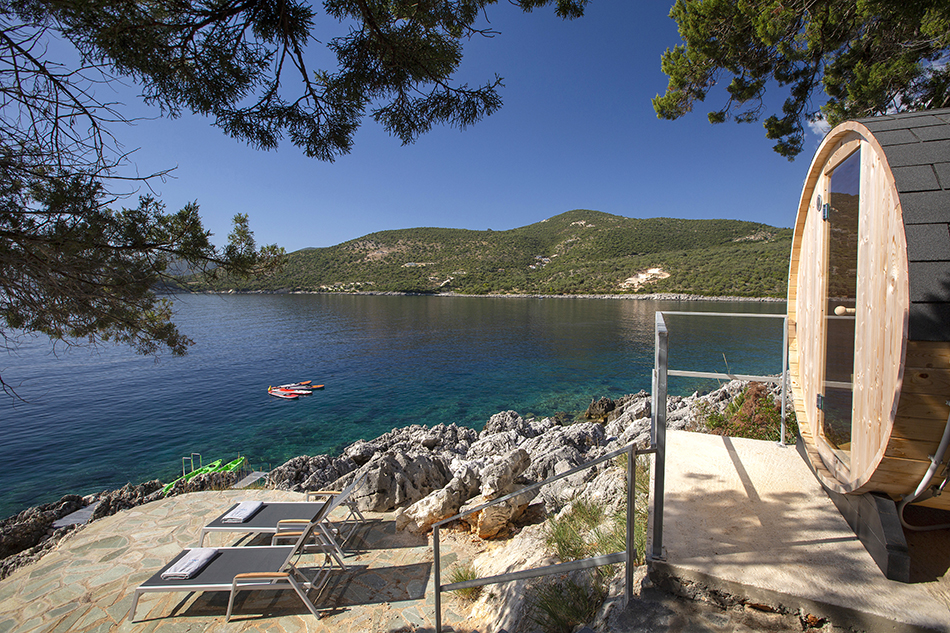
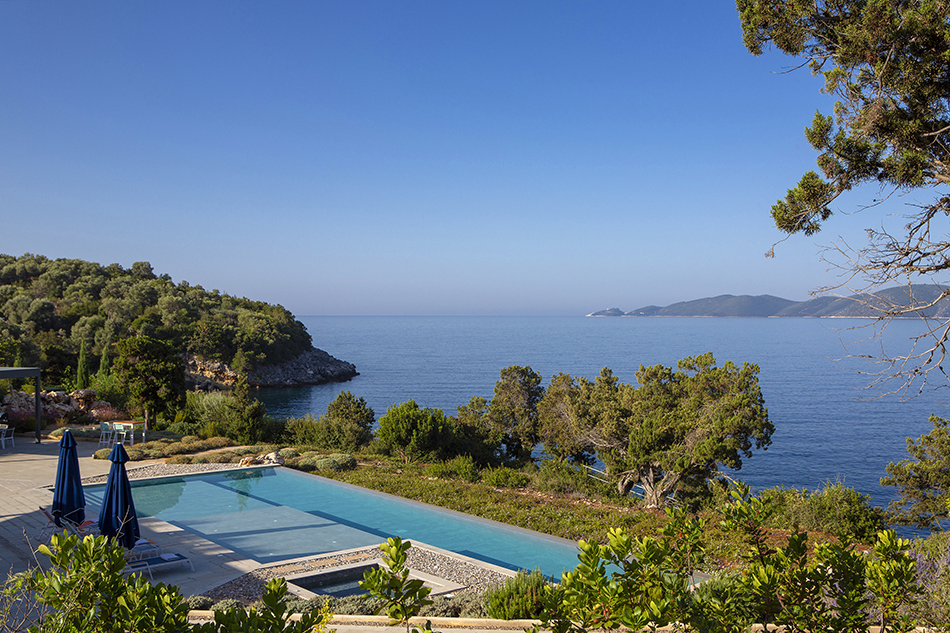
Meganisi SOL
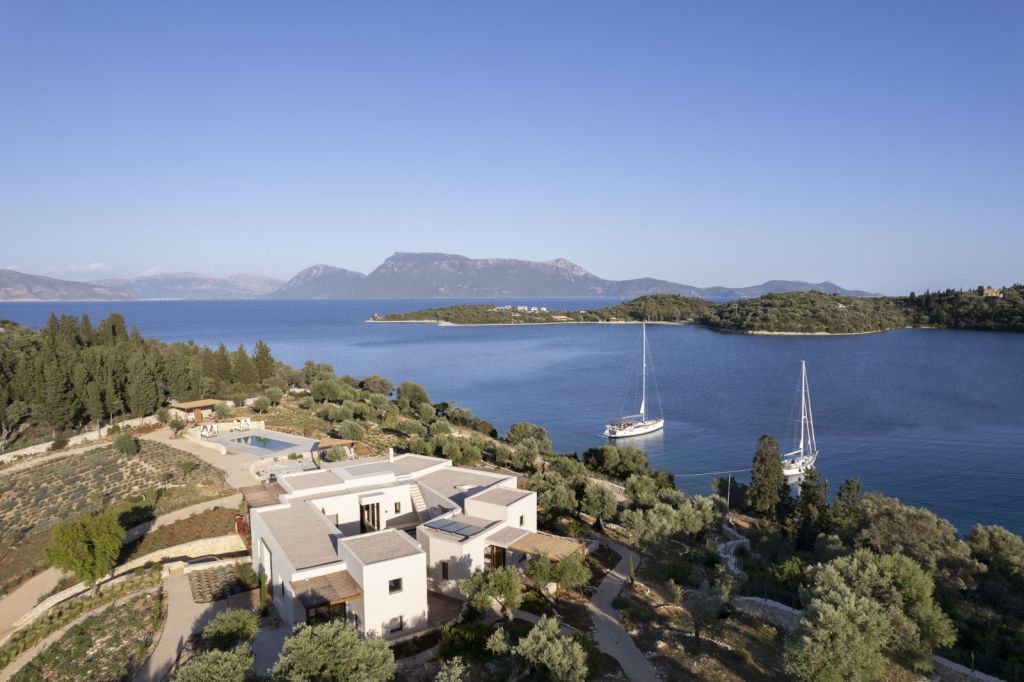
Chapter Four: Corfu and Paxos
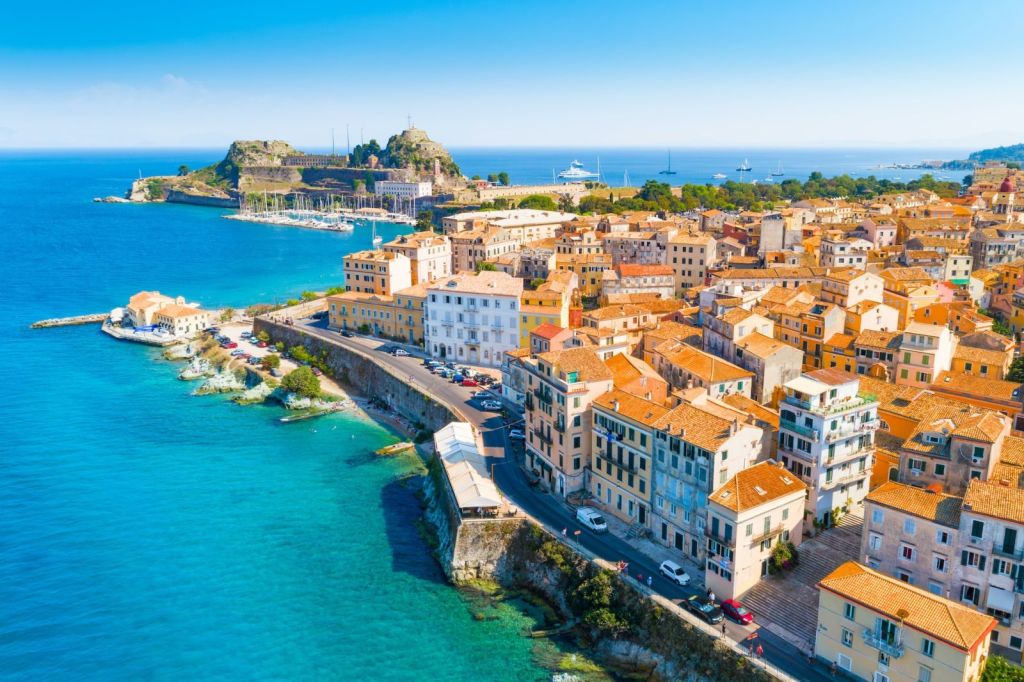
The magic islands of the enchantresses Circe and Calypso, nearing the end. Explore Corfu by car. Discover Corfu Town, potter around the coast, visit the mountain villages, surrender to the soft life. Be enchanted by Paxos and miss your flight home because who can tear themselves away from swimming in secluded coves, lunching on the water and a siesta under an olive tree. This is an Odyssey without urgency, where one can abandon oneself to the charms of dallying off-grid.
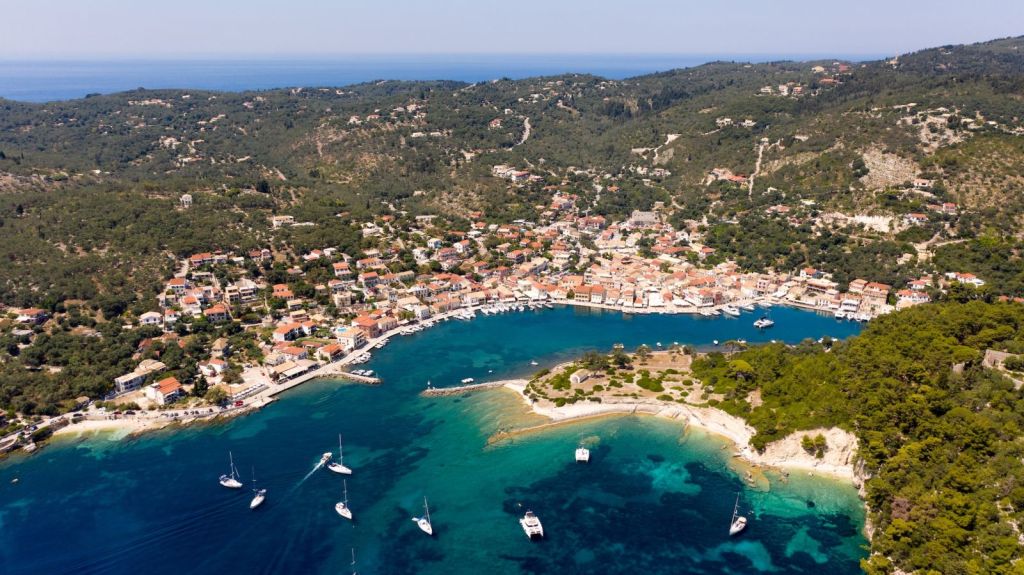
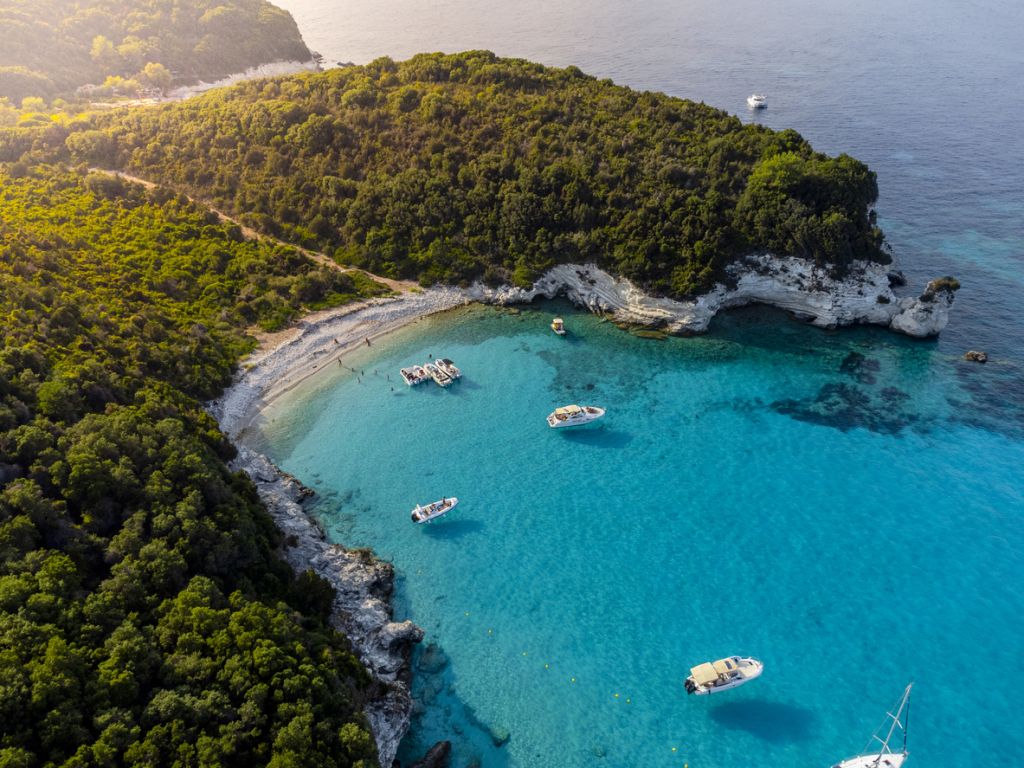
Corfu LV
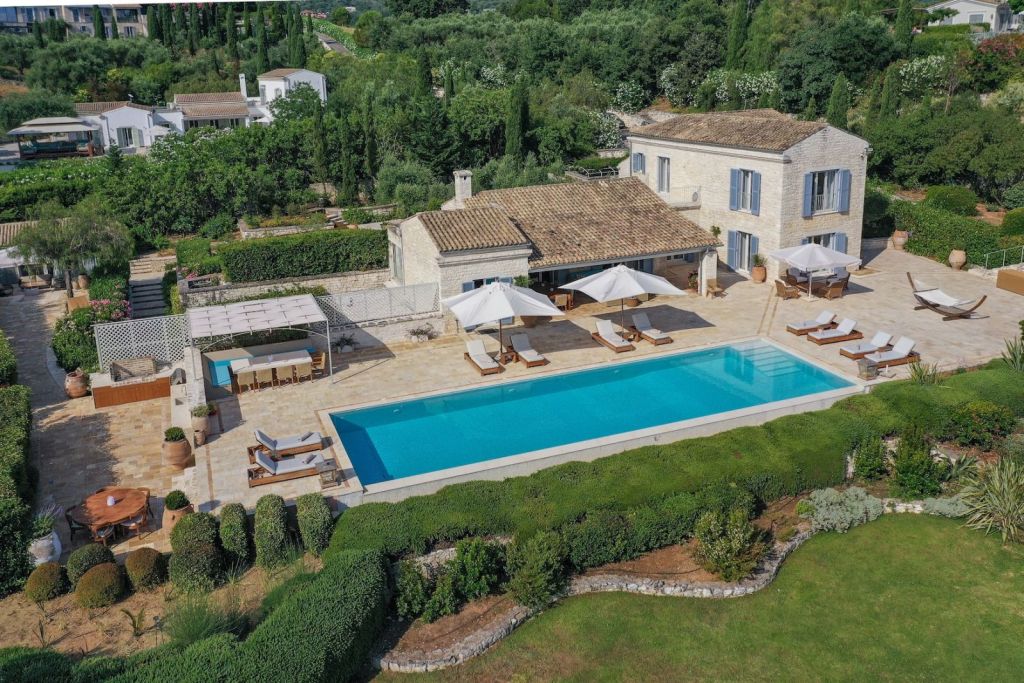
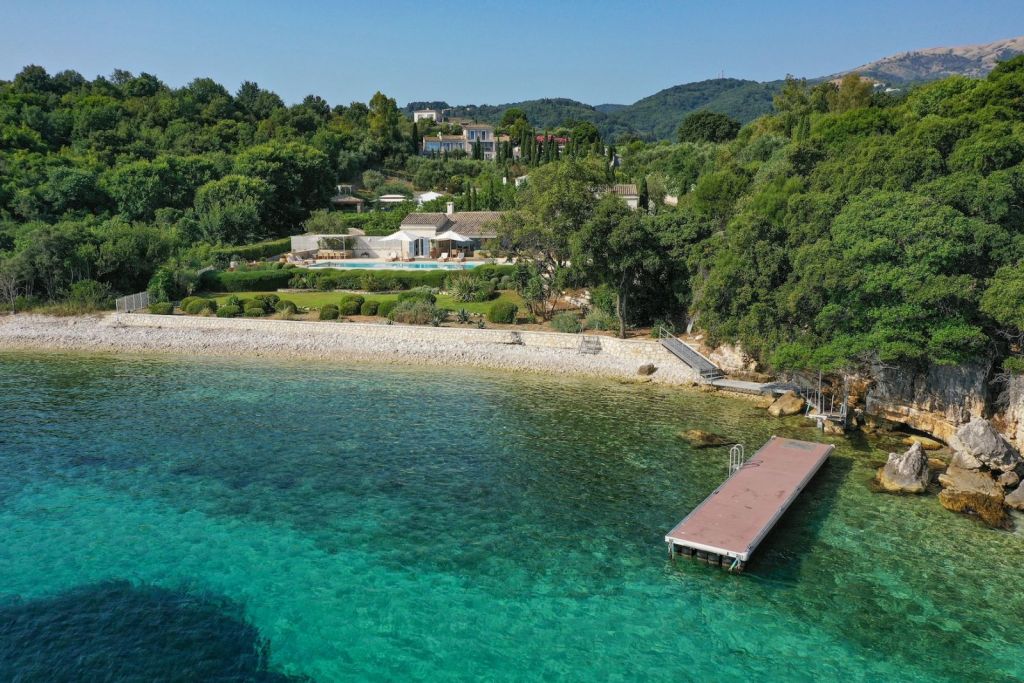
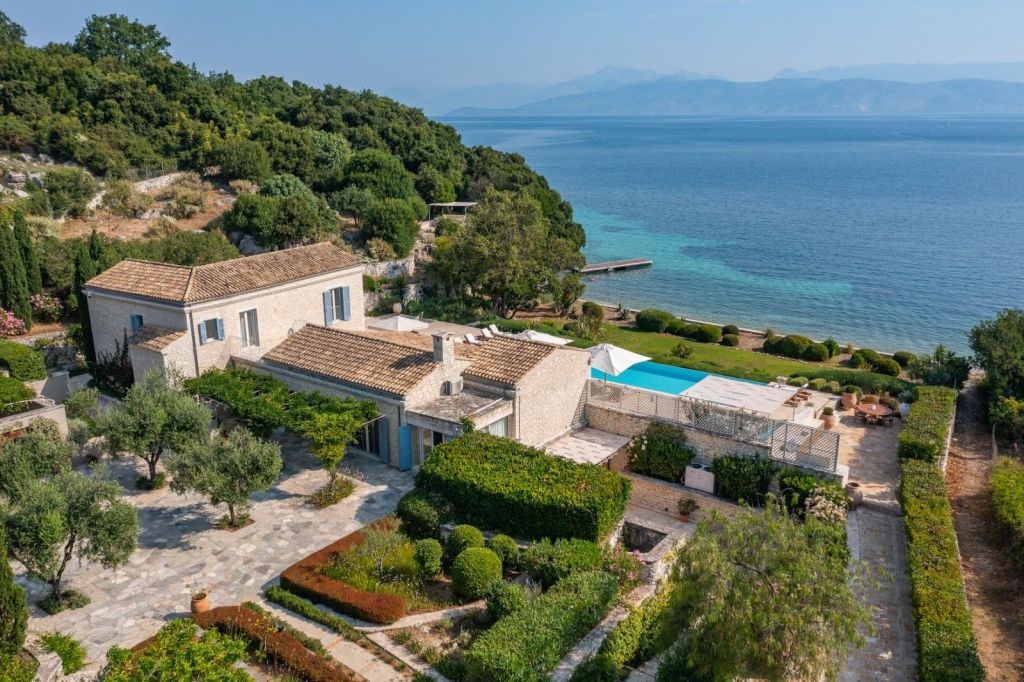
Corfu FFF
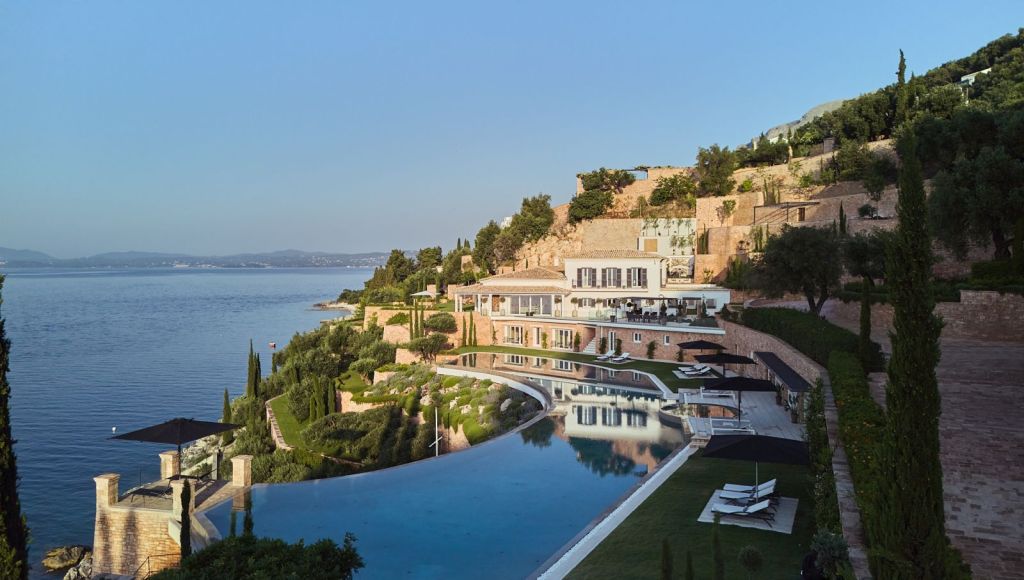
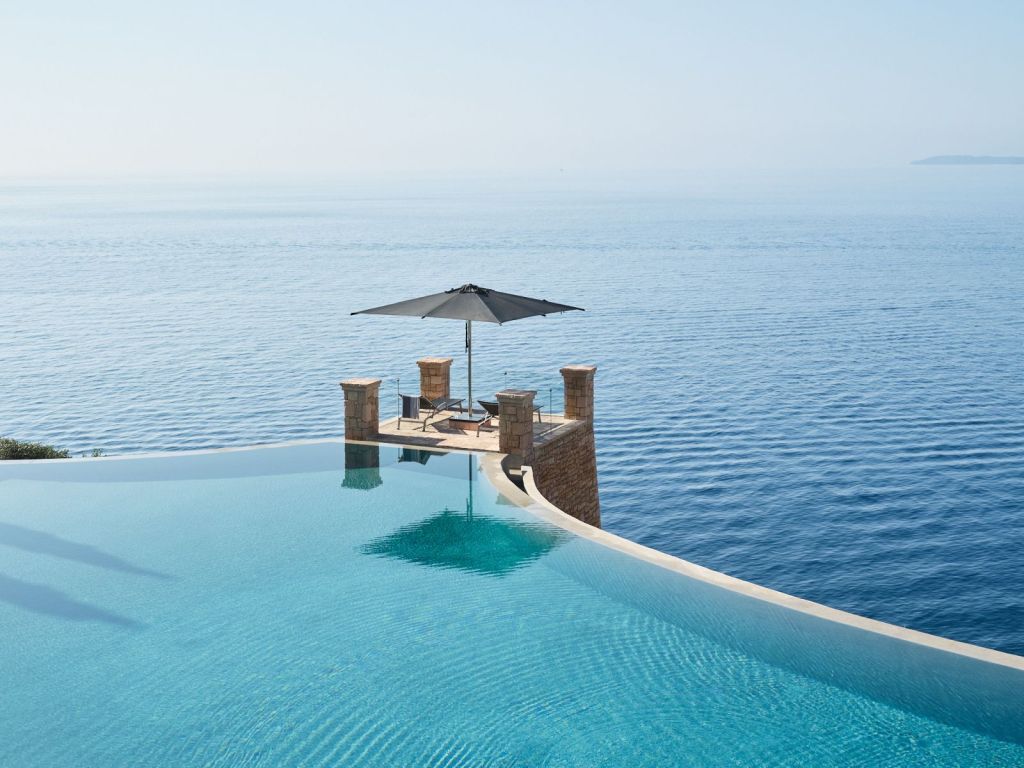
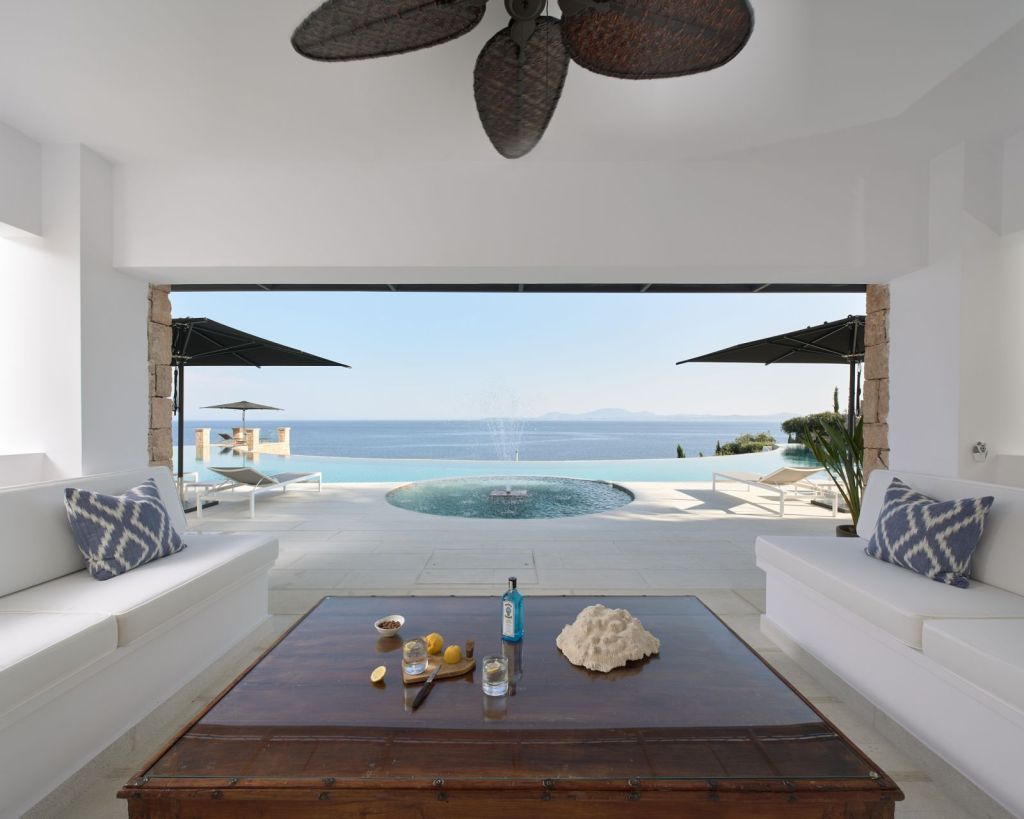
Corfu Durrell
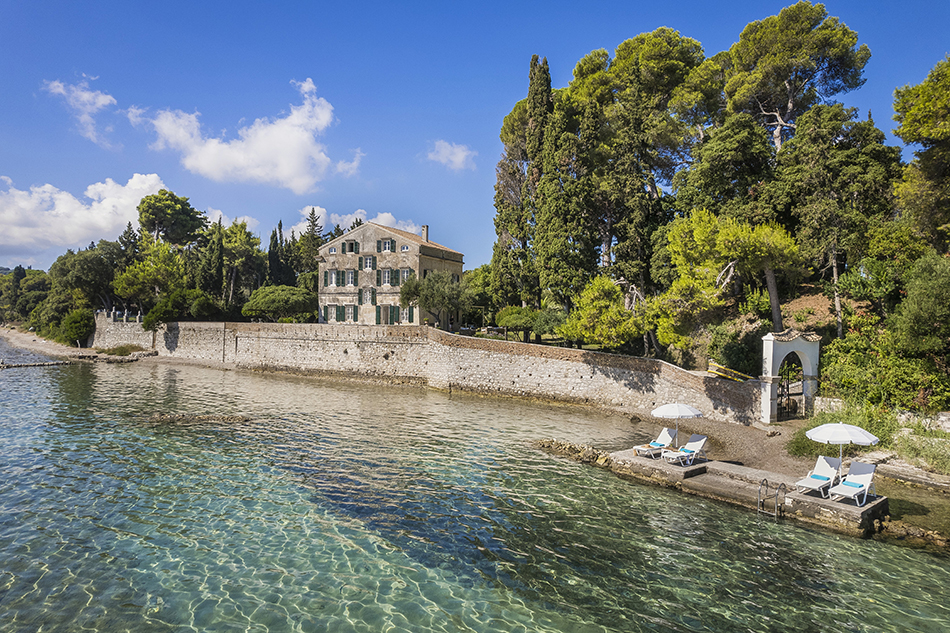
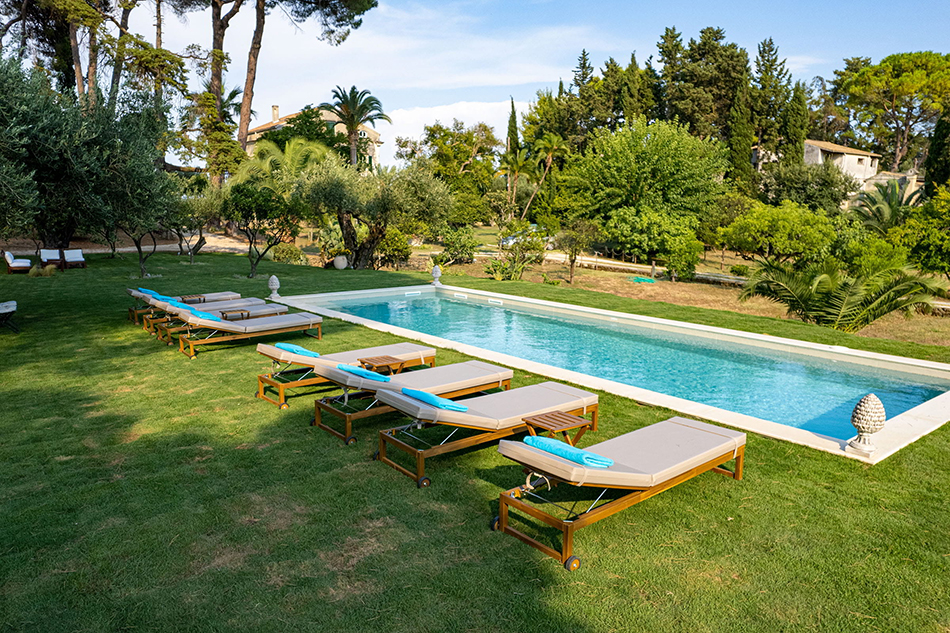
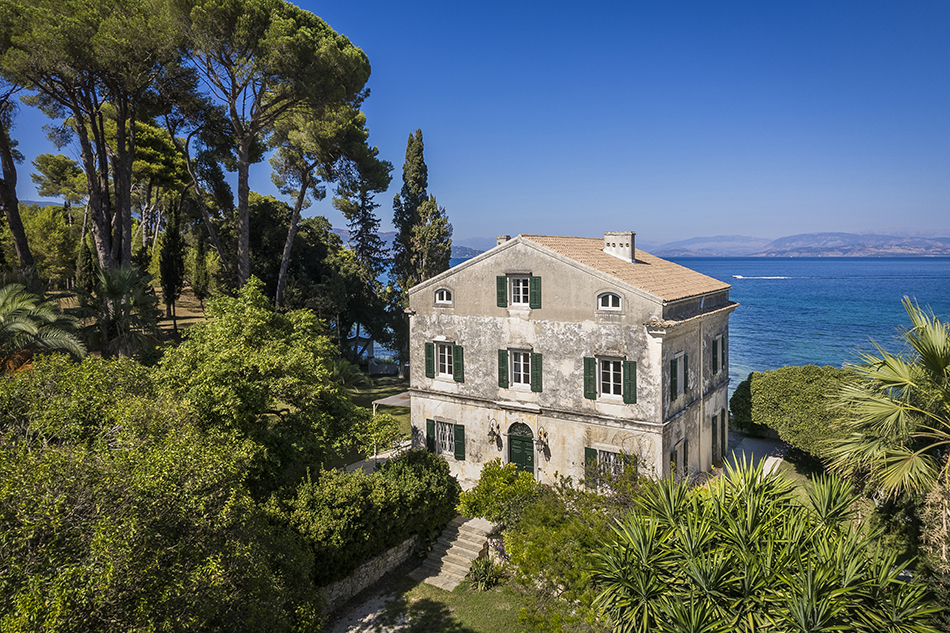
Paxos MGR
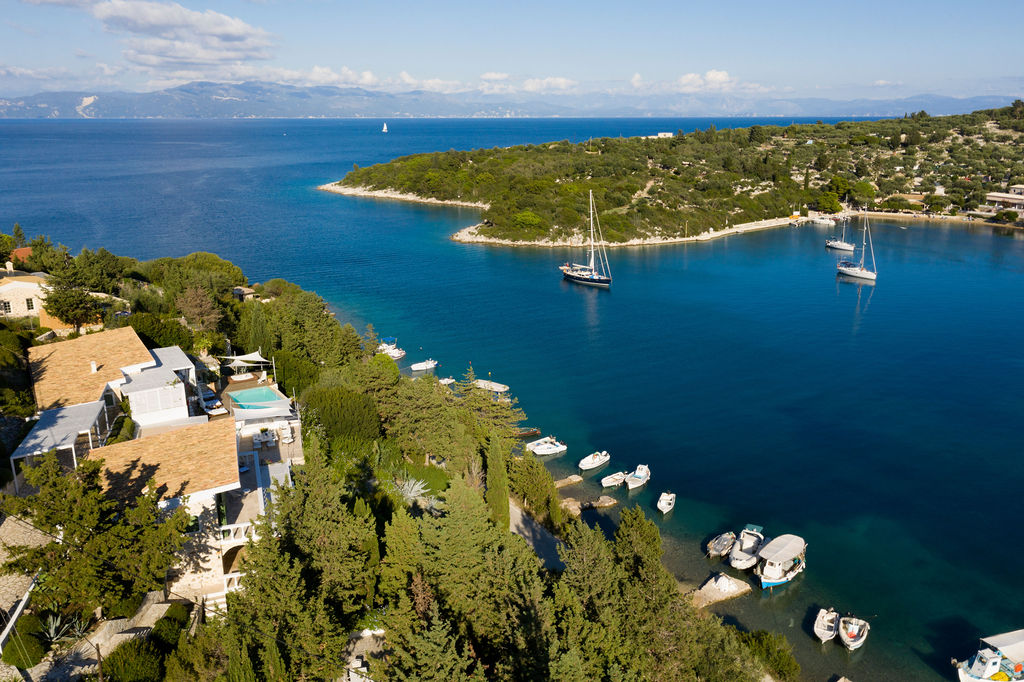
Chapter Five: The destination reached – Ithaca
Every Odyssey needs a destination. For Odysseus, it was Ithaca.
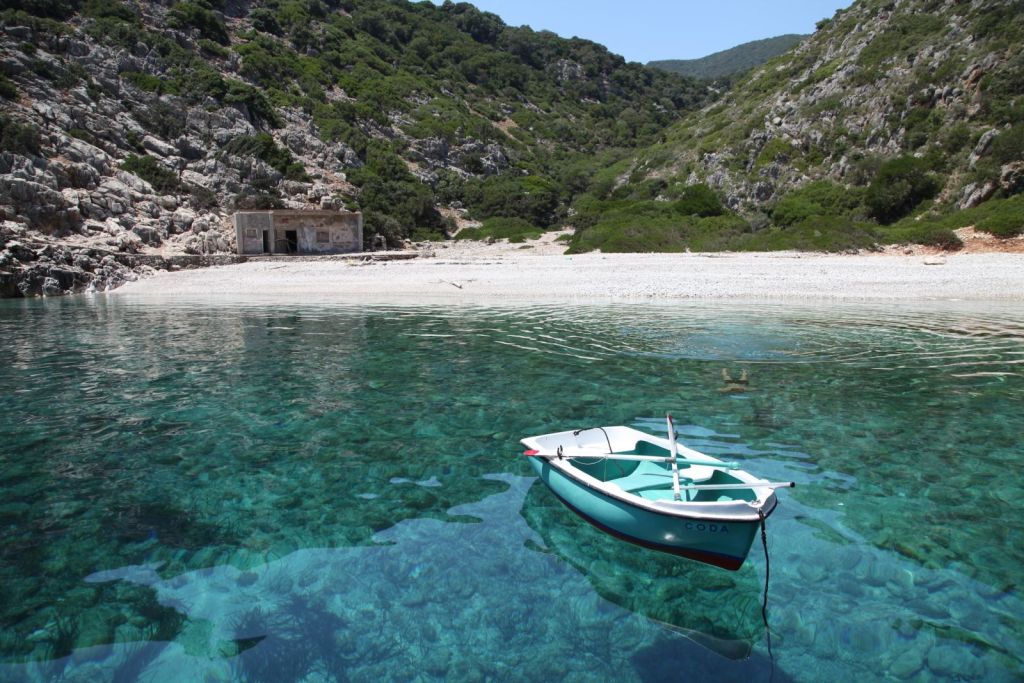
Arrive by yacht. Explore the island from the sea. Discover Kioni and Frikes. Find hidden beaches.
And finally, stop travelling.
Stay a while. Ithaca offers a rare kind of luxury. Space, time, authenticity, stop the clocks.
The journey ends not with a grand finale, but with the simple pleasure of arriving somewhere beautiful and having nowhere else to be.
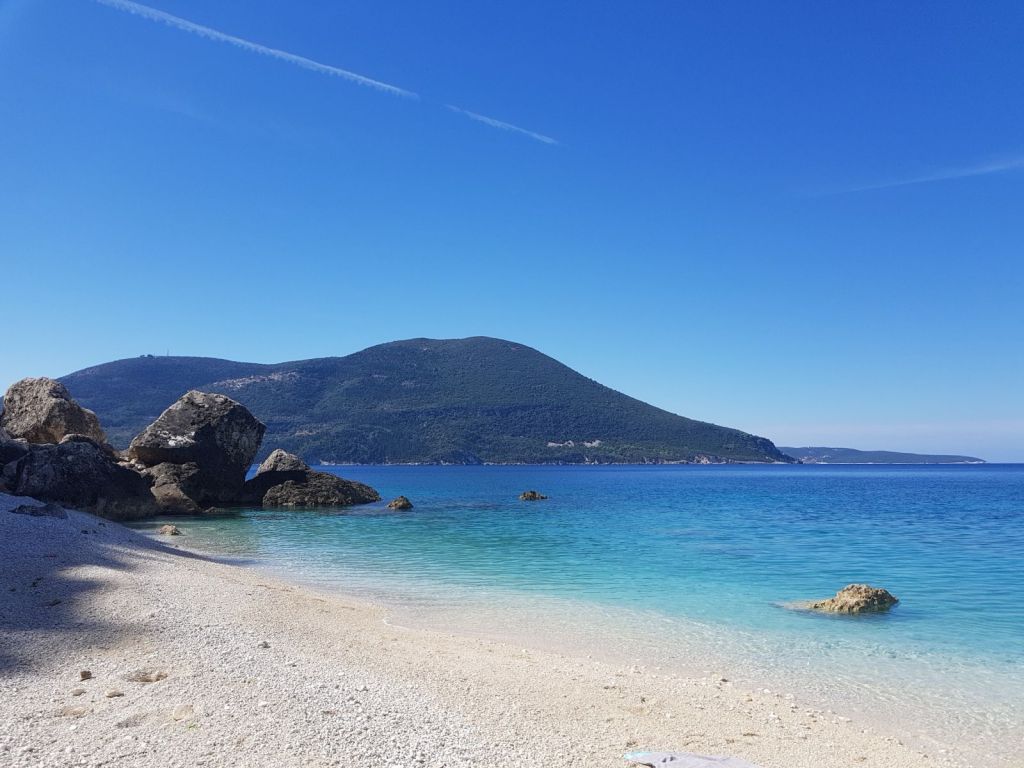
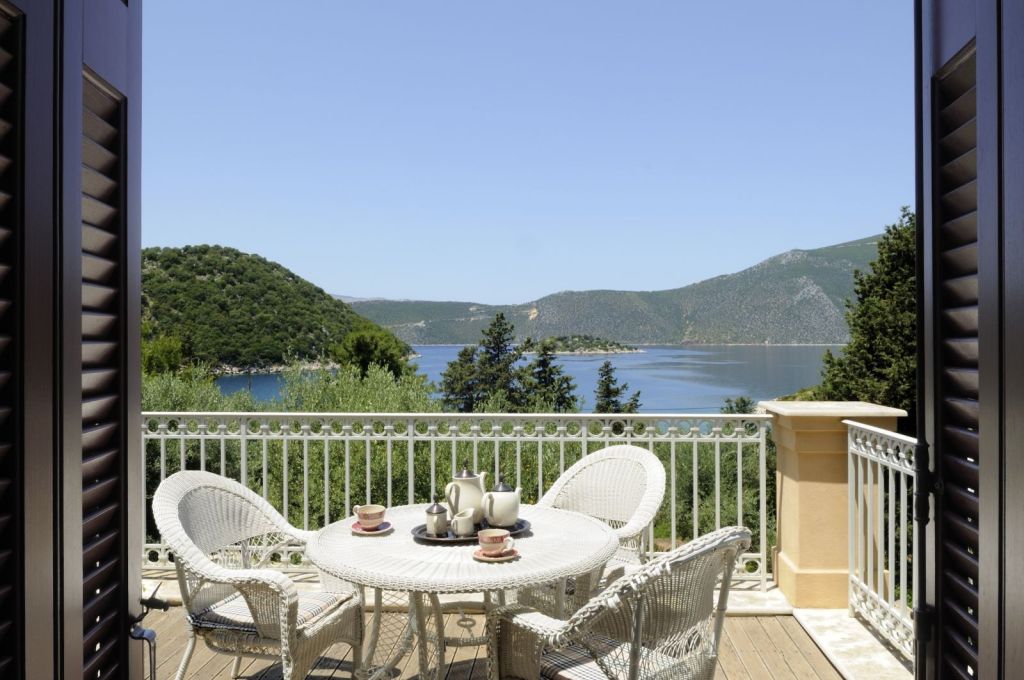
Ithaca AA
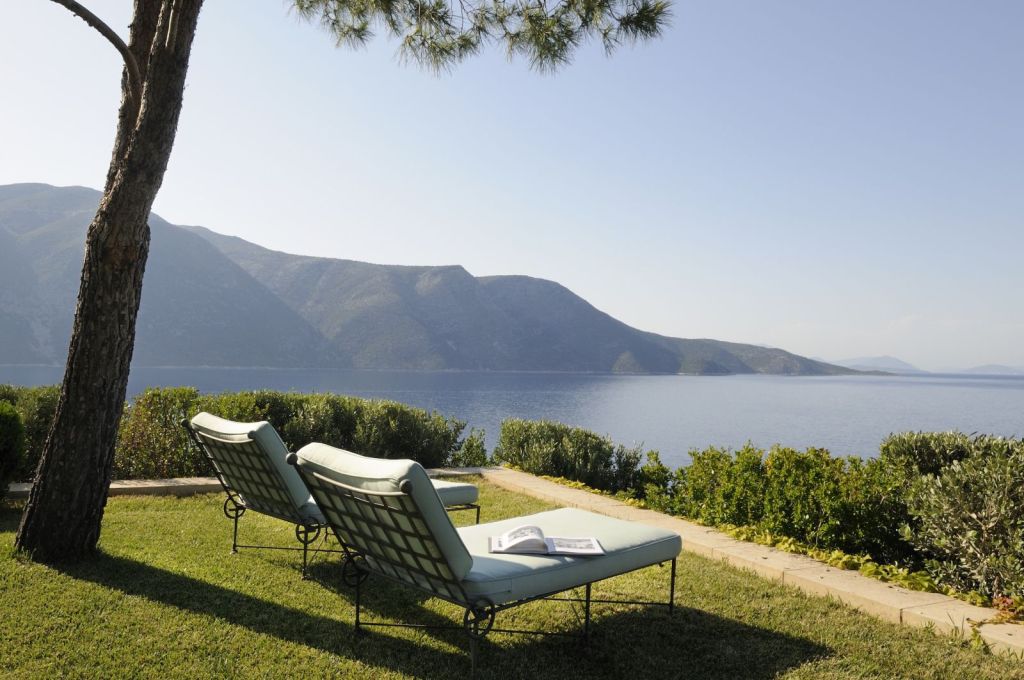
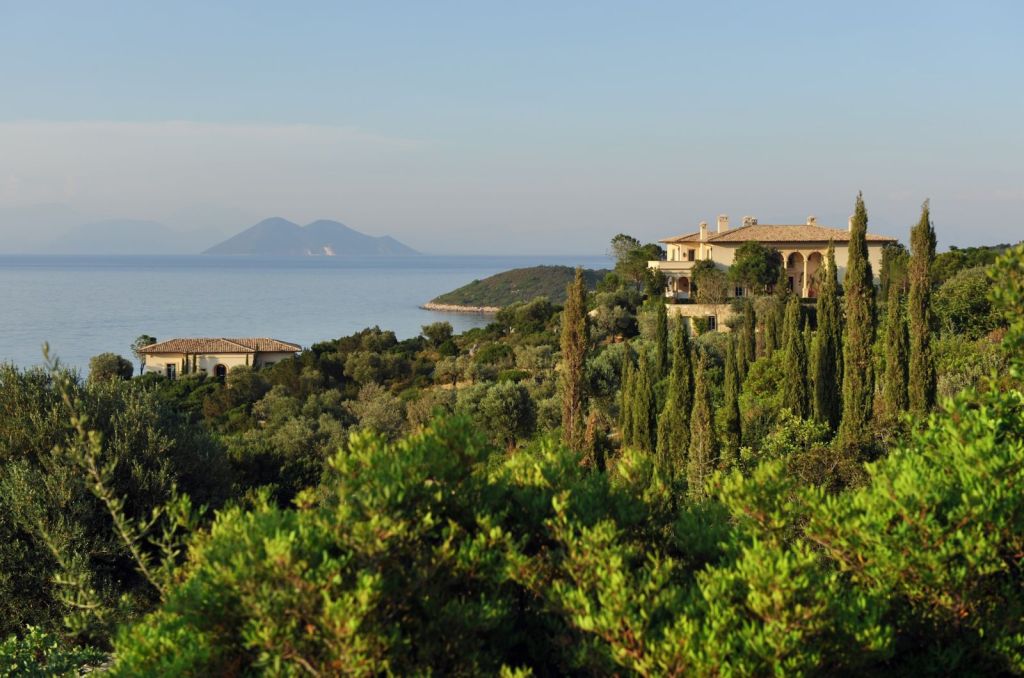
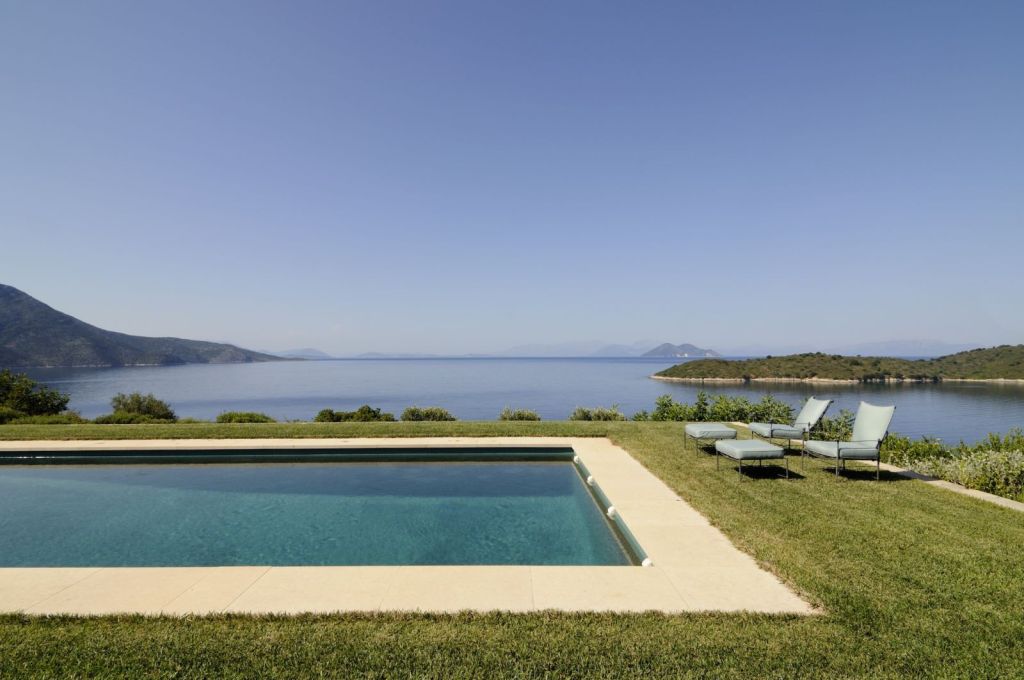
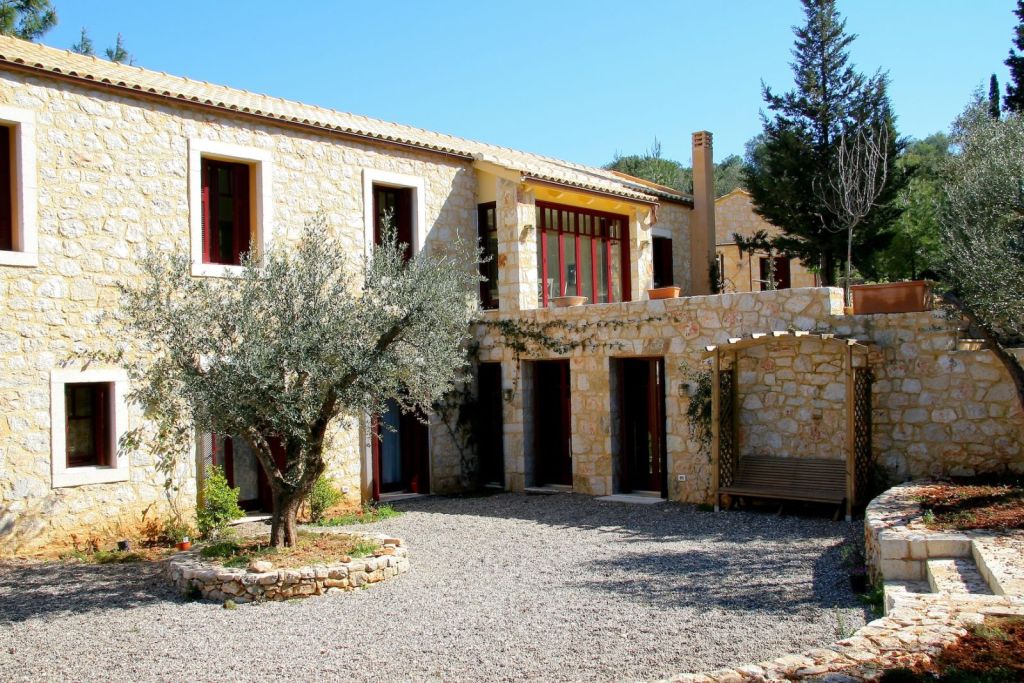
Ithaca Skinos
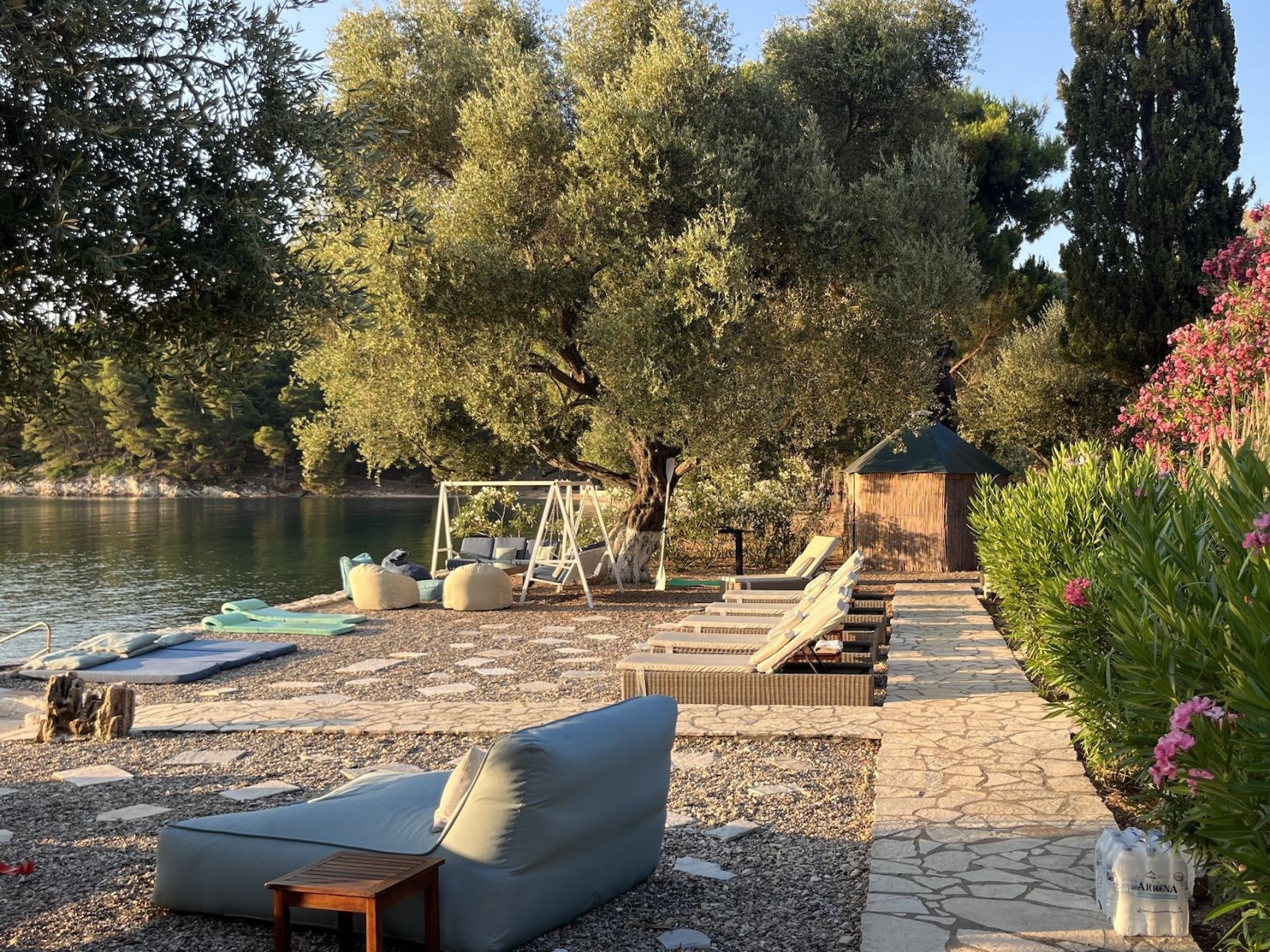
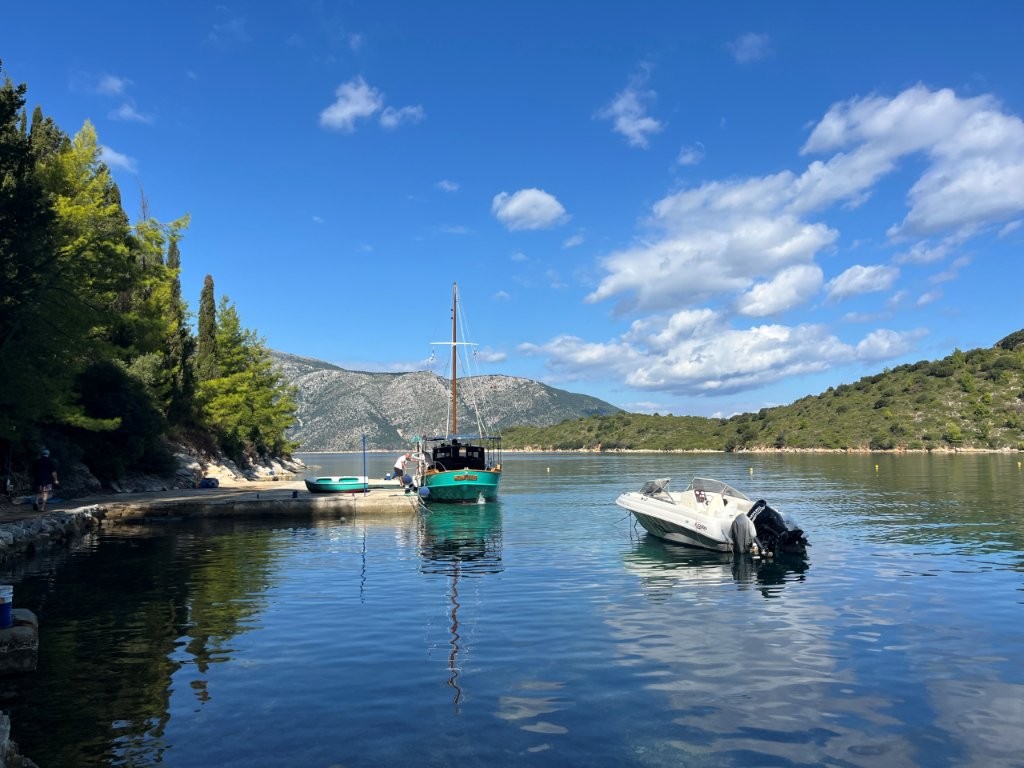
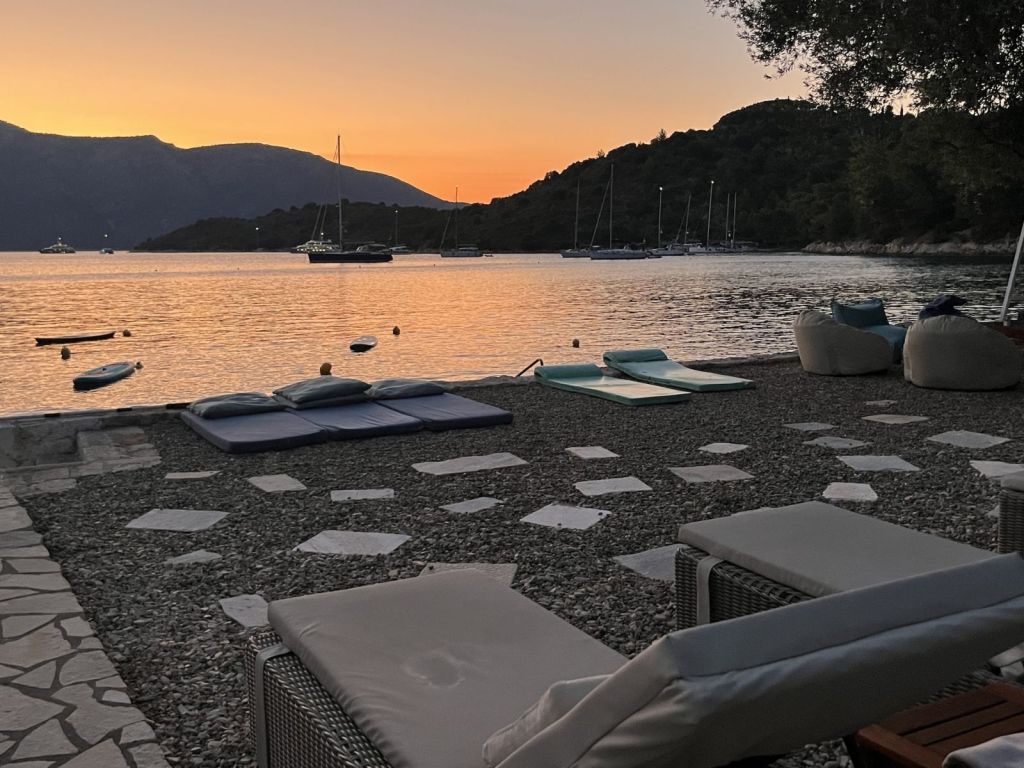
Ithaca 5P
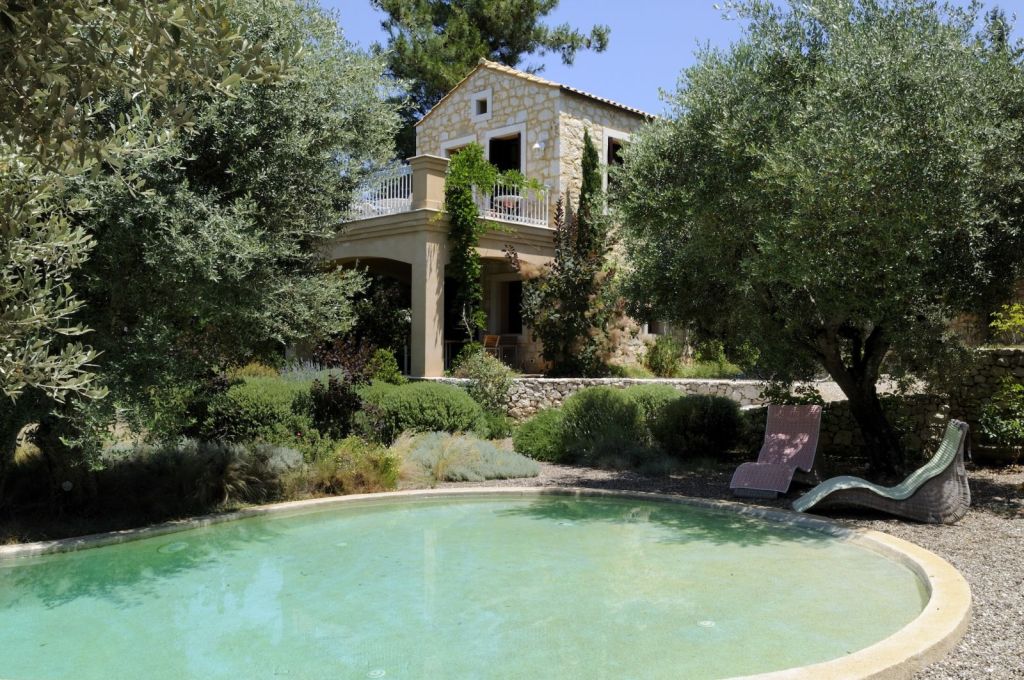
Cavafy wrote a later poem, unpublished, called Ithaca Two – where Odysseus finds that the dream fulfilled is not as exciting as the dreaming itself, and sets out again to find new adventures… Please do NOT tell Hollywood.
Our team of travel experts are ready to help locate the perfect villa or yacht for your needs.
About the author

Other Blog Posts You Might Like
From our blogAs seen in...













Subscribe to Our Blog