
12-Day Pylos Guide – History, Myth, Beaches, Culture
This 12-day Pylos guide is designed for travellers who want to explore the Western Peloponnese slowly and intelligently. Based in and around Pylos, Messinia, it combines mythology, archaeology, beaches, walking, sport, food, and living culture – with enough breathing room to actually enjoy them. This is not a box-ticking route. It’s a considered Pylos travel guide for curious, active travellers who want depth without exhaustion.
Introducing Pylos
The Western coast of the Peloponnese is one of the last areas to be truly discovered and appreciated for its riches – historical, mythological, geographical, and cultural. It was recently the location for Christopher Nolan’s film The Odyssey, and who are we to argue with Hollywood – even if I do come from Ithaca myself and know damn well that my beautiful island across the water is the real setting. But it is close enough for Hollywood, who could have filmed in Mexico, I suppose.
In more recent times, the luxury resort of Costa Navarino pioneered tourism in the area. With four world class golf courses, this has become the golfing destination in Greece, putting the Eastern Mediterranean on the golfing map, with a loyal clientele who enjoy the attractions of the area as well as their sport.. It took the owner 25 years to fulfil his dream, until he died of a heart attack before seeing it completed – but this testifies to the faith he had in the potential of the area.
We don’t want guests having heart attacks trying to discover Messinia, so what follows is a sensibly paced itinerary that lets the region unfold properly.
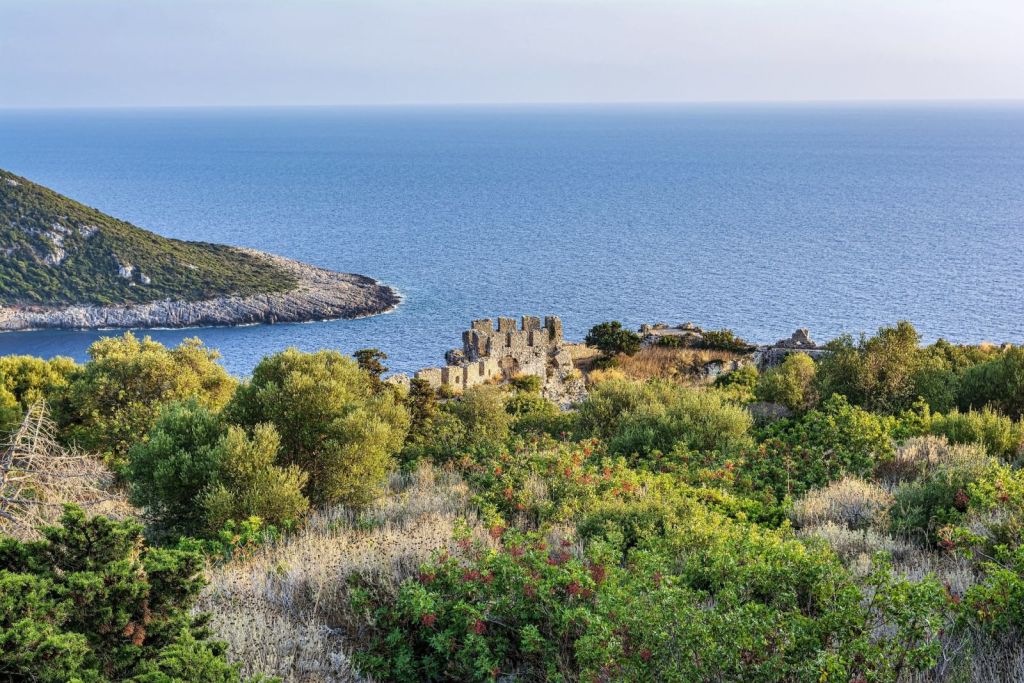
Why Has Pylos Played Such an Important Mythological and Historical Role?
Pylos, in the Western Peloponnese, occupies one of the most protected natural harbours in the eastern Mediterranean. Geography has dictated its role repeatedly: a Mycenaean administrative centre, Homeric kingdom, Venetian naval base, Ottoman fortress, site of a decisive 19th-century naval battle, and today a calm, cultured base for exploring Messinia, Greece.
From a beautiful villa with pool and panoramic views as your base, travellers of a curious and active bent can experience Messinia by land and sea – or simply stay put with an Aperol and a view. Both are valid life choices.
Day 1 – Pylos Town, Niokastro & the Inner Harbour
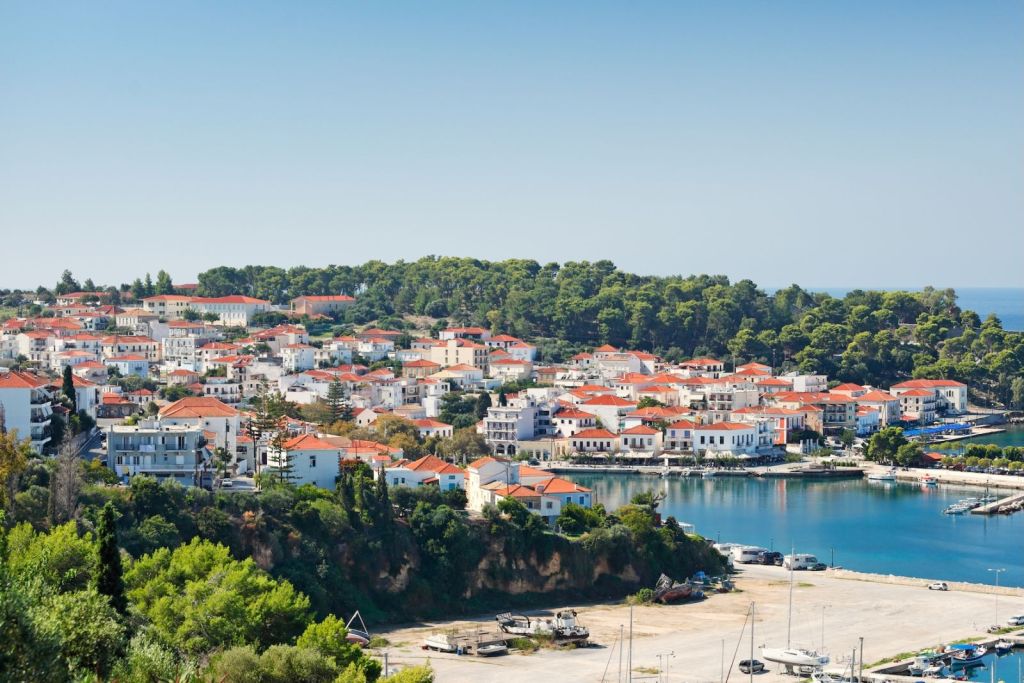
Pylos in Homer’s Odyssey
In Homer’s Odyssey, Pylos is ruled by Nestor, the wise elder king whose authority rests on memory, hospitality, and moral continuity. Telemachus, the son of Odysseus, made his first stop here in search of his missing father. Even then, Pylos was a hub of trade, stories and encounters. The modern town largely took shape after Greek independence.
Niokastro & Modern History
Above the harbour rises Niokastro, built by the Ottomans in 1573 to secure Navarino Bay against Venetian pressure. Its low bastions, thick walls, and angular platforms reflect artillery warfare rather than medieval siege tactics, and the sharp-eyed can spot reused stone from earlier ages. Navarino Bay hosted the Battle of Navarino in 1827, when British, French, and Russian fleets destroyed the Ottoman–Egyptian navy. The outcome effectively secured Greek independence and reshaped the balance of power in the eastern Mediterranean.
Activities:
• Small seasonal harbour-side beach bars opening toward late afternoon and sunset; for light and easy evenings rather than late-night volume.
• Evening life in Pylos main square, a classic example of Greek summer social rhythm.
Day 2 – Voidokilia Beach, Gialova Lagoon & the Odyssey Landscape
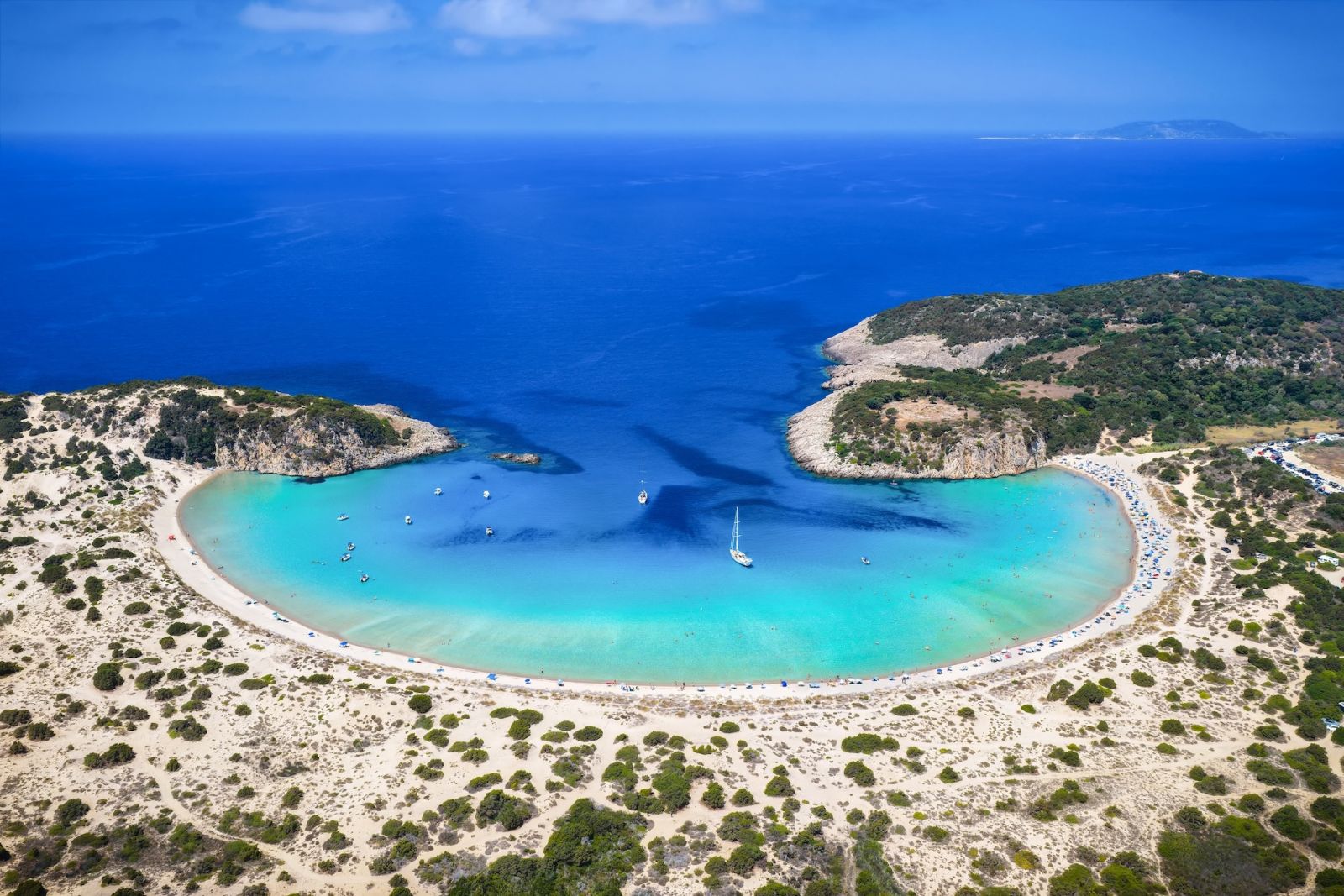
Voidokilia & Mythic Geography
Voidokilia’s near-perfect arc has long fed its reputation as a mythological site as well as being an Instagram destination; and while Homer is vague on geography, later tradition mapped the Odyssey onto this coast because the landscape makes sense: sheltered landings, ritual space, and a clear route inland to authority.
The nearby Gialova Lagoon is part of this coast, and reinforces this logic. Archaeological evidence shows prehistoric and Bronze Age activity throughout the area, reflecting the practical value of protected shore access.
Activities:
• Walking routes around Gialova Lagoon, suitable for low-elevation half-day hikes
• E-bike hire in Gialova for flat lagoon perimeter circuits and coastal backroads.
• Independent beach bars along the Gialova beach strip with summer live-music evenings and occasional pop-up events.
• SUP and kayak hire along shallow-water areas near the lagoon edge; calm conditions typically favour beginners.
• Seasonal birding and nature events run locally around the lagoon area.
Day 3 – Palace of Nestor, Romanos & Petrochori
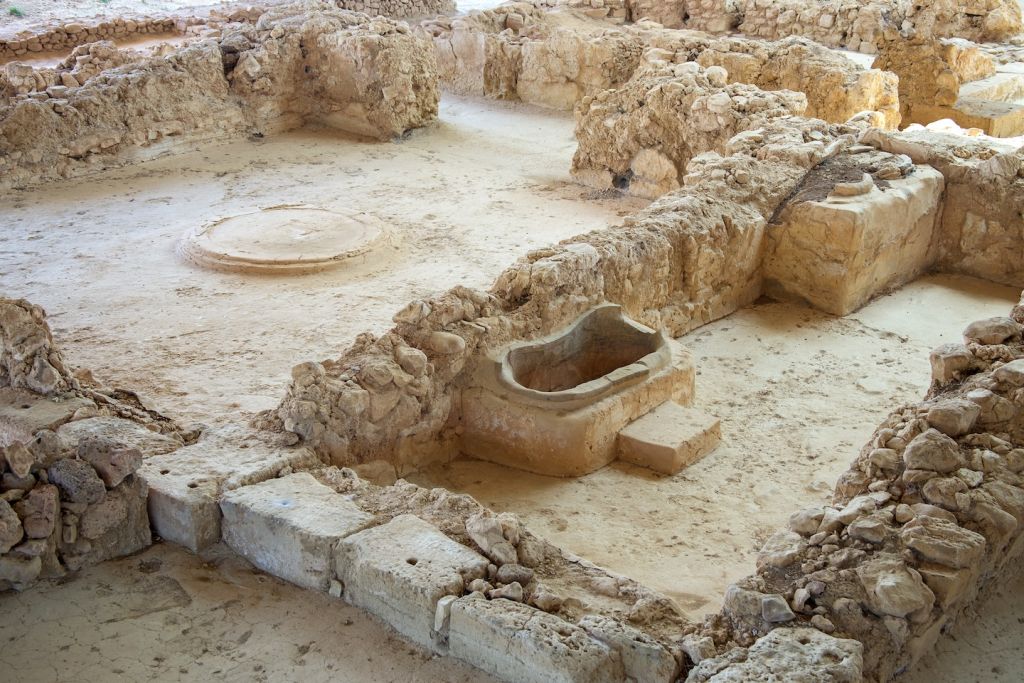
The Palace of Nestor (Ano Englianos)
The Palace of Nestor at Ano Englianos is the strongest archaeological candidate for Homeric Pylos. Excavations reveal a Mycenaean administrative centre governed through Linear B record-keeping. The palace was destroyed around 1200 BCE, consistent with the wider Late Bronze Age collapse that disrupted trade networks and central authority across the eastern Mediterranean.
The Megaron ( central hall) formed the ceremonial heart of the palace. A large rectangular hall with a central hearth and four columns, it functioned as the space of authority, reception, and ritual. Feasting, decision-making, and formal hospitality took place here. This architectural form later influenced Classical Greek temple design, making the megaron not only a political space but a structural ancestor of sacred architecture. Fragments of Mycenaean-style wall paintings depict processions, animals, and ceremonial scenes. Though incomplete, they suggest a court culture concerned with display, ritual order, and symbolic authority rather than warfare alone.
Activities:
• Golf at Costa Navarino, including The Dunes Course and The Bay Course.
• Organised water-sports centres (Costa Navarino-operated and nearby coastal providers) offering sailing, windsurfing, SUP, and beginner kitesurfing; instruction available.
• Romanos and Petrochori beaches for longer beach days with seasonal beach bars.
• Sunset-vibe and DJ sets after dark in peak summer around Petrochori; generally earlier- evening energy rather than late-night club culture.
• Marked cycling and e-bike routes linking Romanos, Petrochori, and nearby villages with gentle terrain.
Day 4 – Methoni Castle and the Venetian Sea
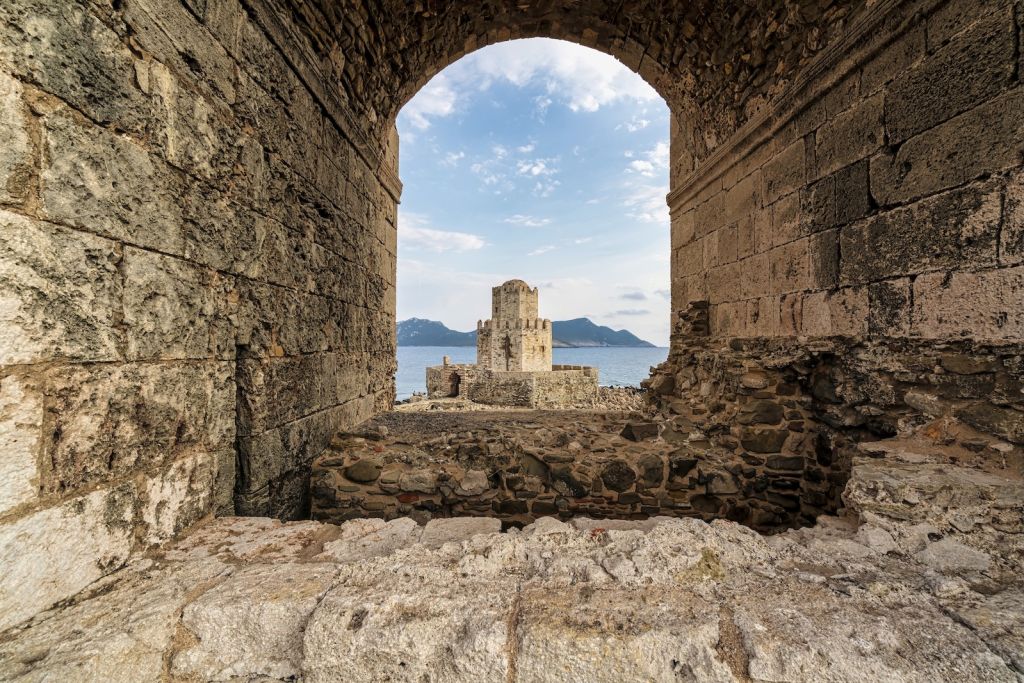
Methoni (Venetian Modon) was an important stronghold in Venice’s eastern Mediterranean network, serving as a refuelling and provisioning hub, ship-repair point, and quarantine stop on routes between the Adriatic, Crete, and the Levant. The fortress prioritised sea access and logistics; the Bourtzi tower functioned as a forward defensive outpost.
Activities:
• Beach bars positioned outside the fortress walls.
• Kayaking and pedal-boat hire near Methoni Castle in calm near-shore waters during high season.
• Summer concerts, theatre, and cultural performances staged within or near the castle precinct (seasonal programming varies).
• Coastal walking routes near the fortress and along the beach, suited to late afternoon light.
Day 5 – Koroni: Monastery and Coast
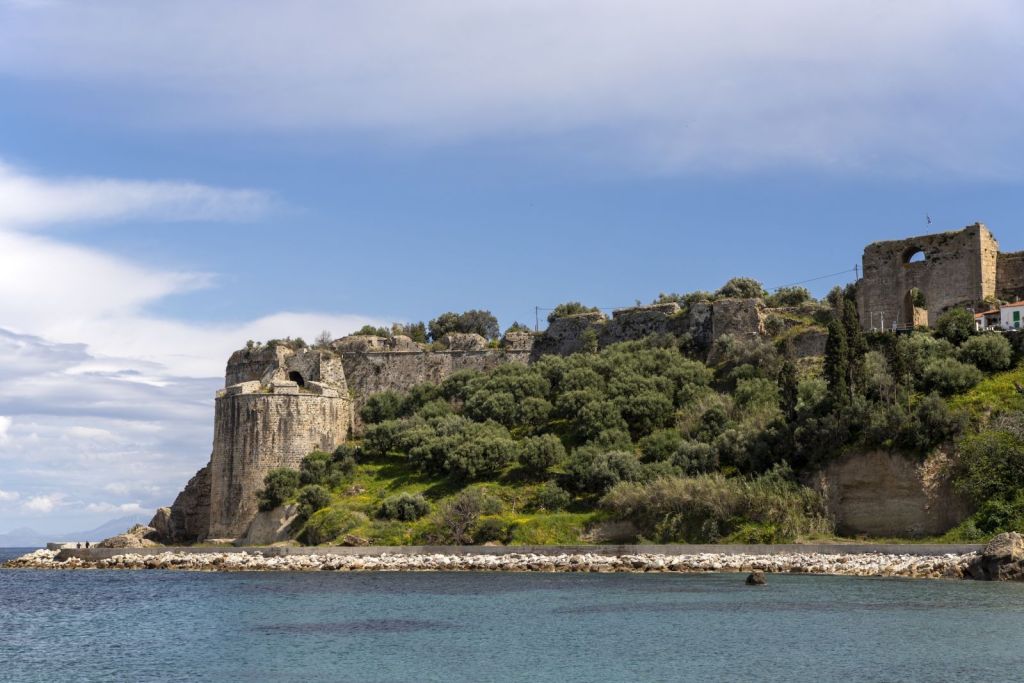
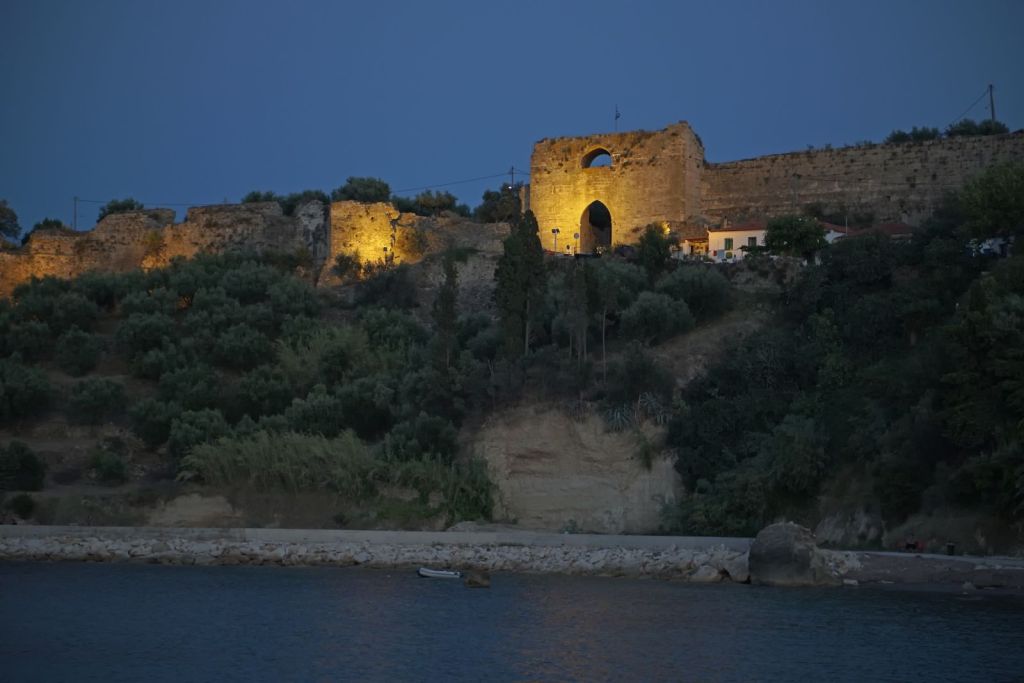
Koroni is a magnificent illustration of continuity through change, as Byzantine foundations were reinforced under Venetian rule and later adapted under Ottoman rule. Unlike purely military outposts, Koroni retained a stable civilian life around and within its fortifications. The monastery inside the castle walls represents religious continuity that persisted through shifting secular authority.
Activities:
• Horse riding excursions through olive groves south of Koroni, with stables in the wider Vassilitsi area (seasonal availability).
• Beach bars beneath the castle walls and along the town’s shoreline, generally local in clientele and tone.
• Village festivals and feast days tied to the Orthodox calendar, often bringing music and communal meals into public squares and waterfront areas.
• Coastal walks linking small coves and viewpoints around Koroni.
Day 6 – Polylimnio Waterfalls and Inland Villages
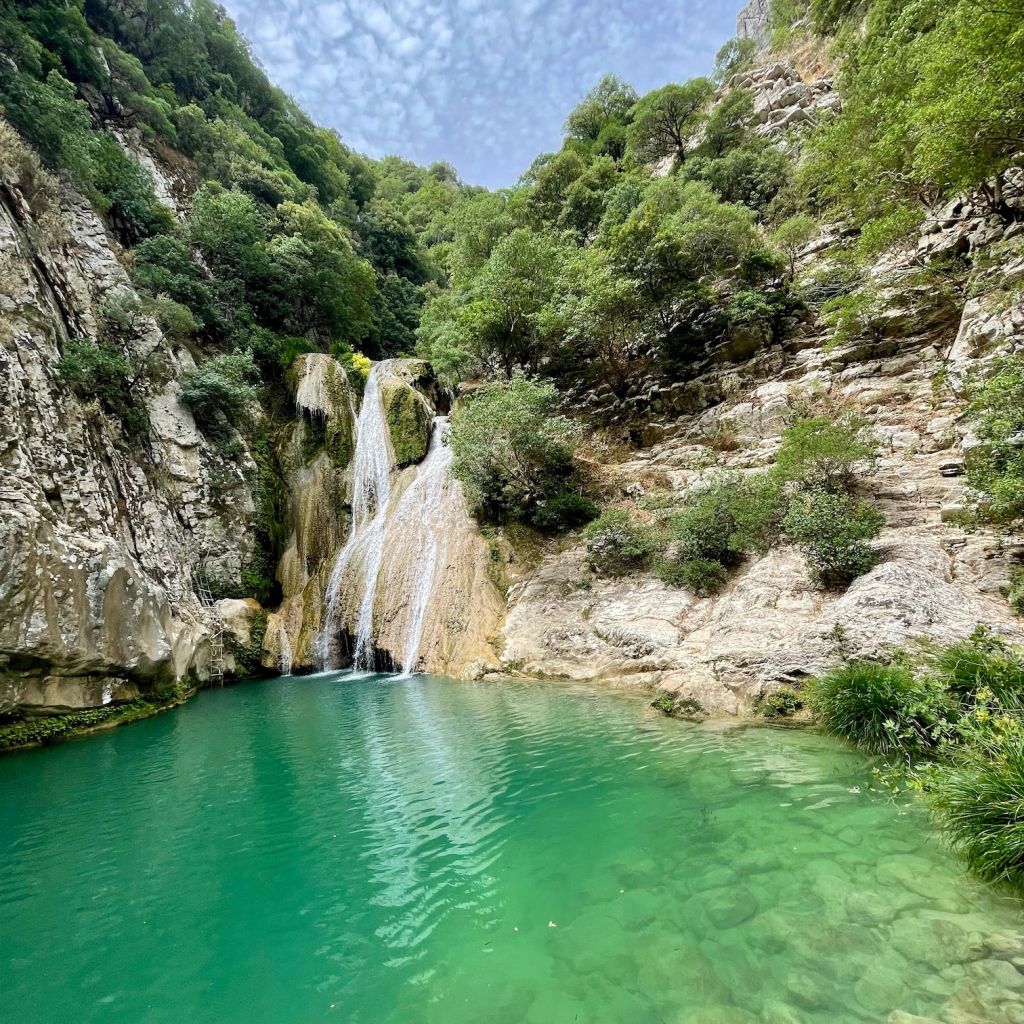
An unexpeted treat during a hot summer, the beautiful waterfalls of Polylimnio lie in Messinia’s hinterland, which offered refuge during periods of coastal conflict and still offer refuge from the heat and bustle of summer to those seeking peace and calm.
Activities:
• Hiking trails linking pools and waterfalls; routes range from easy woodland walks to moderate sections over rock and roots.
• Swimming in natural pools at Polylimnio, conditions permitting.
• Summer village festivals in inland Messina, celebrating seasonal produce.
Day 7 – Kalamata: Revolution, Trade and Contemporary Culture

Kalamata evolved from a medieval settlement into a regional centre under Ottoman rule and became a symbolic early point of the Greek War of Independence in March 1821. In the 19th and 20th centuries, olive oil production and export reshaped agriculture, labour, and the growth of the town, and Kalamata is now famous for the high quality of its olives and olive oil.
Activities:
• Olive oil mill visits and tastings, linking traditional cultivation to modern export.
• Cycling along Kalamata’s coastal promenade and beachfront routes.
• Beach bars along the city seafront with a younger, urban crowd in summer.
• Kalamata International Dance Festival (typically July), plus seasonal exhibitions and performances.
Day 8 – Ancient Messene
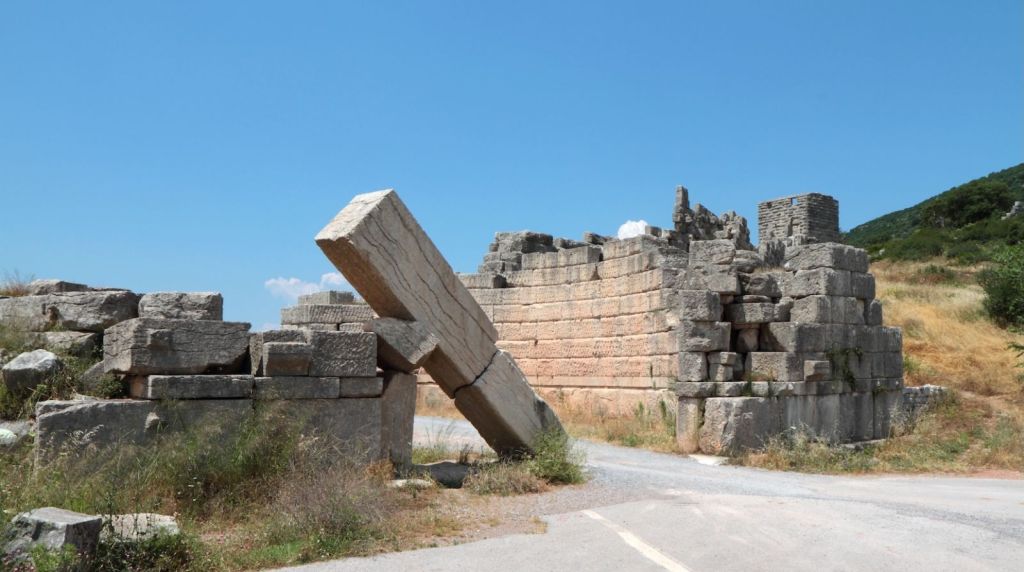
This is definitely a must-see; founded in 369 BCE after the defeat of Sparta, ancient Messene’s fortifications, civic buildings, stadium, theatre, and public spaces preserve an unusually complete picture of a classical city designed to endure, and leave a deep impression of our links with the past.
The city’s walls extend for nearly nine kilometres and rank among the most impressive in Greece. Built with massive stone blocks and reinforced by towers and gates, they encircle both the urban core and surrounding hills. The walls demonstrate how military architecture became an expression of autonomy: protection was not merely practical, but symbolic.
Key gates, such as the Arcadian Gate, reveal how movement into and out of the city was carefully controlled while remaining ceremonially impressive.
The stadium of Ancient Messene is one of the best preserved in the Greek world. Unlike Olympia’s earth-banked track, Messene’s stadium form part of an integrated architectural complex, complete with colonnades and seating.
Athletics here were embedded in daily civic life, not limited to periodic festivals, while the adjoining gymnasium emphasises education of the body as a civic responsibility. Physical training, moral discipline, and citizenship were inseparable.
Activities:
- Full-day walking routes at Ancient Messene, covering the stadium, theatre, agora, and fortification walls. The site’s scale supports a measured, unhurried exploration. Bring comfortable shoes, a hat, and water.
- Seasonal cultural events at Ancient Messene, including talks, performances, and occasional programming within or near the archaeological park (varies by year).
Day 9 – Kyparissia Beach and the Ionian Coast
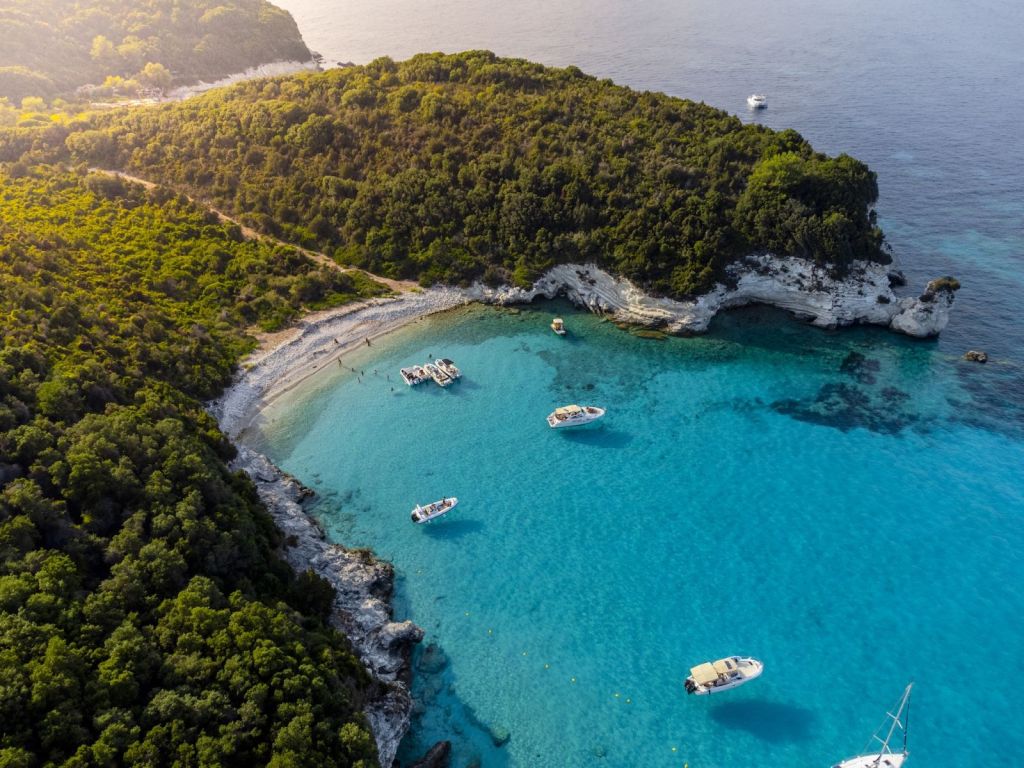
Probably the last wide expanse of sandy, pristine beaches in Greece – the Ionian Sea washes its sweeping shores, and there are echoes of the Pacific West Coast as chill beach-lovers sit and watch the sun sink over the western horizon with spectaclar sunsets especially when thunder clouds tower above the sea.
Activities:
- Kartela Beach and surrounding stretches, with livelier beach bars than much of Messinia while still retaining a relaxed atmosphere.
- Water-sports centres in Kyparissia, offering jet ski, banana boat, and wakeboard hire (peak-season dependent).
- Coastal cycling routes along the Ionian shoreline, with informal beach sport culture including volleyball during summer months.
- Summer concerts and local fairs in Kyparissia town, often staged along the seafront.
Day 10 – Olympia, Greece: Sacred Sport and Shared Identity
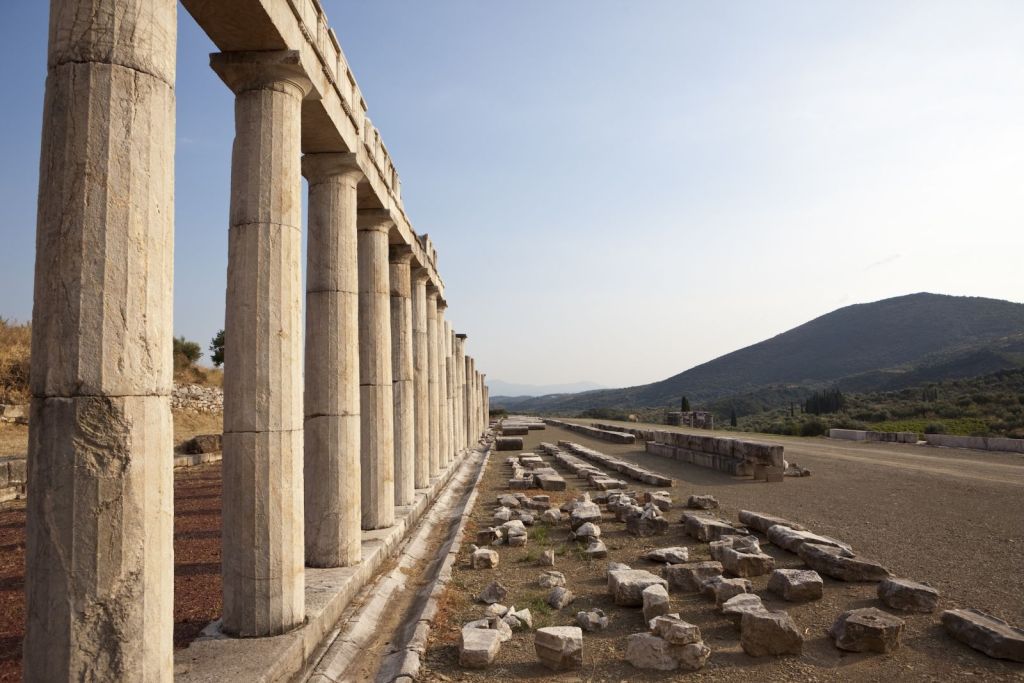
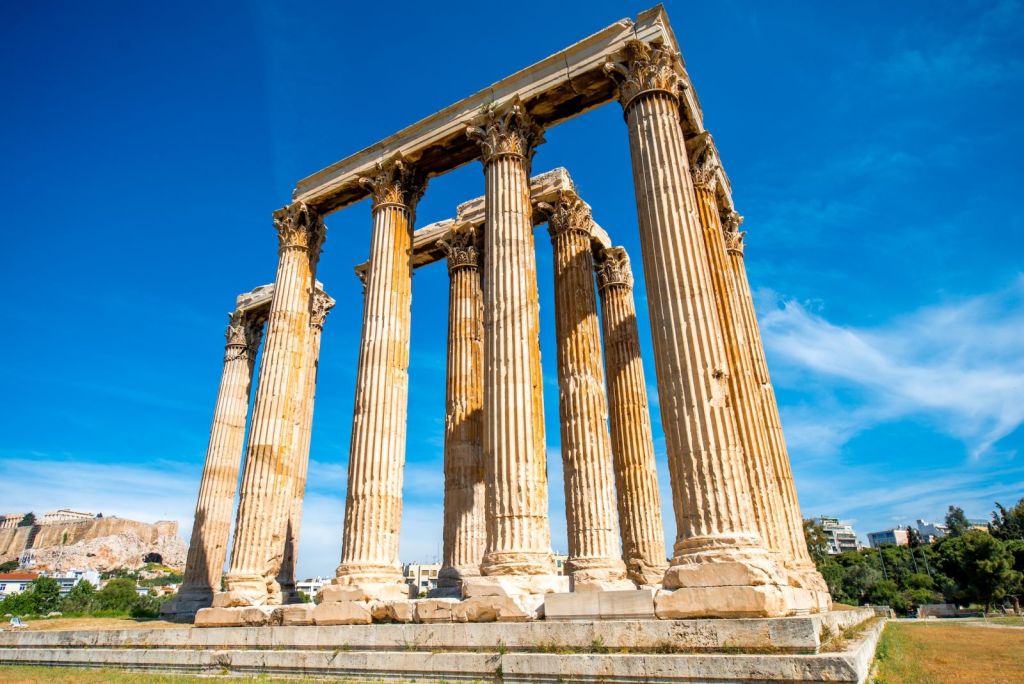
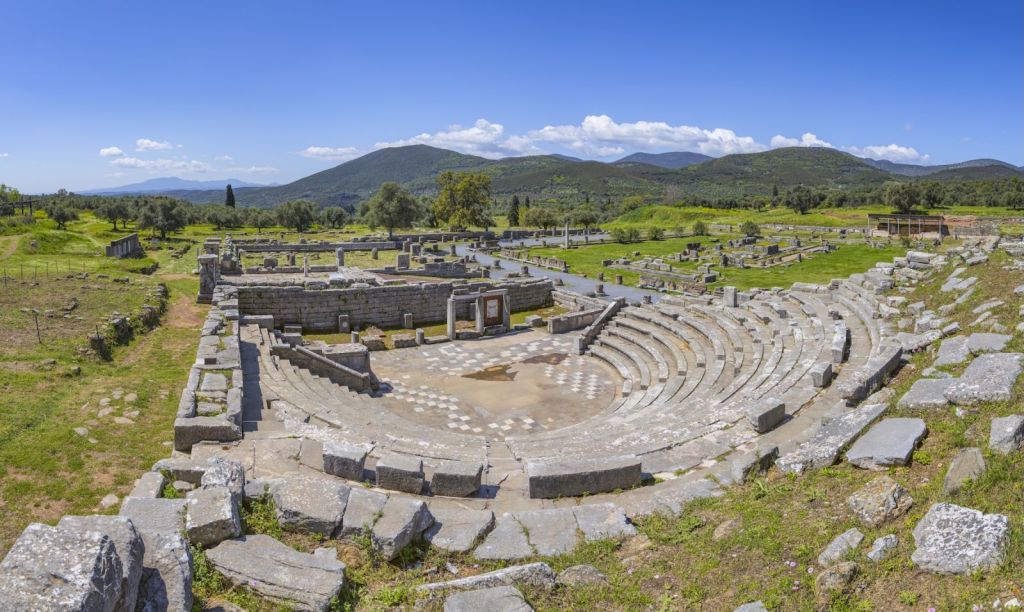
Olympia was not a city but a sanctuary dedicated to Zeus, serving as neutral ground where rival Greek communities met to suspend conflict, strengthen bonds and renew their shared Hellenic culture through athletic competition.
Temples, altars, and treasuries accumulated here over centuries, forming a landscape of political diplomacy disguised as sport. Plus ca change….
The stadium lies embedded within the sanctuary rather than separated from it, underlining how athletics and religion were inseparable.
Highlights of the Archaeological Museum include:
- The Statue of Hermes by Praxiteles
- The Nike of Paionios
- And, perhaps most human of all, the stone bases that once held the Zanes statues – paid for by fines imposed on athletes who cheated. These statues stood as moral warnings at the entrance to the stadium, a stern reminder that victory without integrity was worthless – a lesson that endures today.
Activities:
- Extended walking across the Olympia sanctuary and stadium.
- Museum exploration at Olympia, focusing on sculpture, political symbolism, and moral narratives embedded in athletic culture.
- Seasonal educational programmes and reenactment-style events, depending on the year.
Day 11 – Patrick Leigh Fermor, Literary Greece and Olive Landscapes
Literary Messinia & Philhellenism
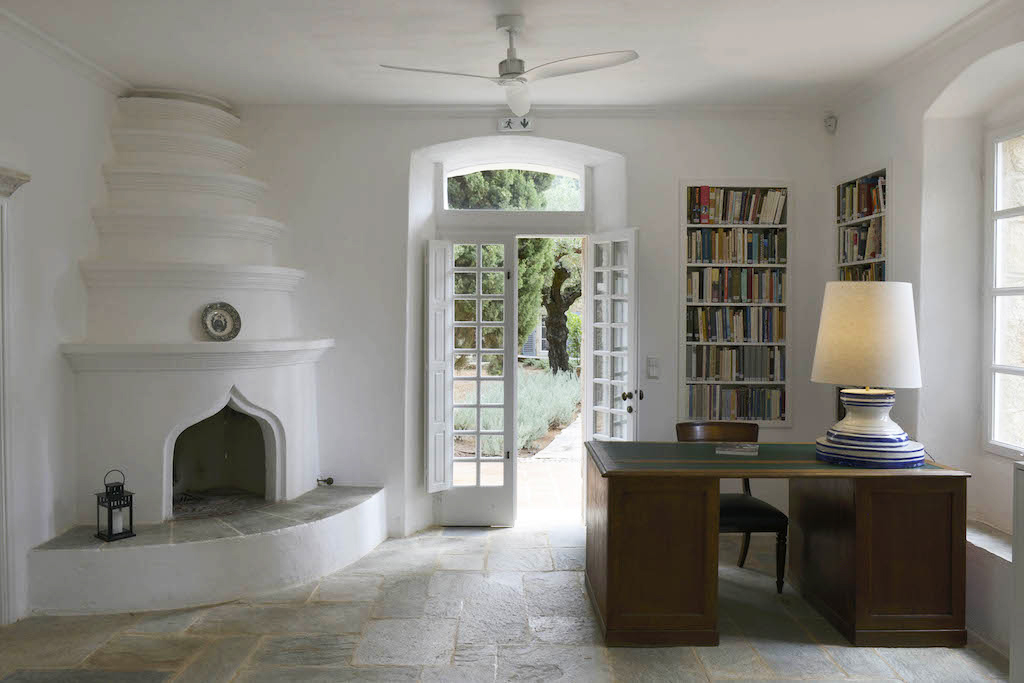
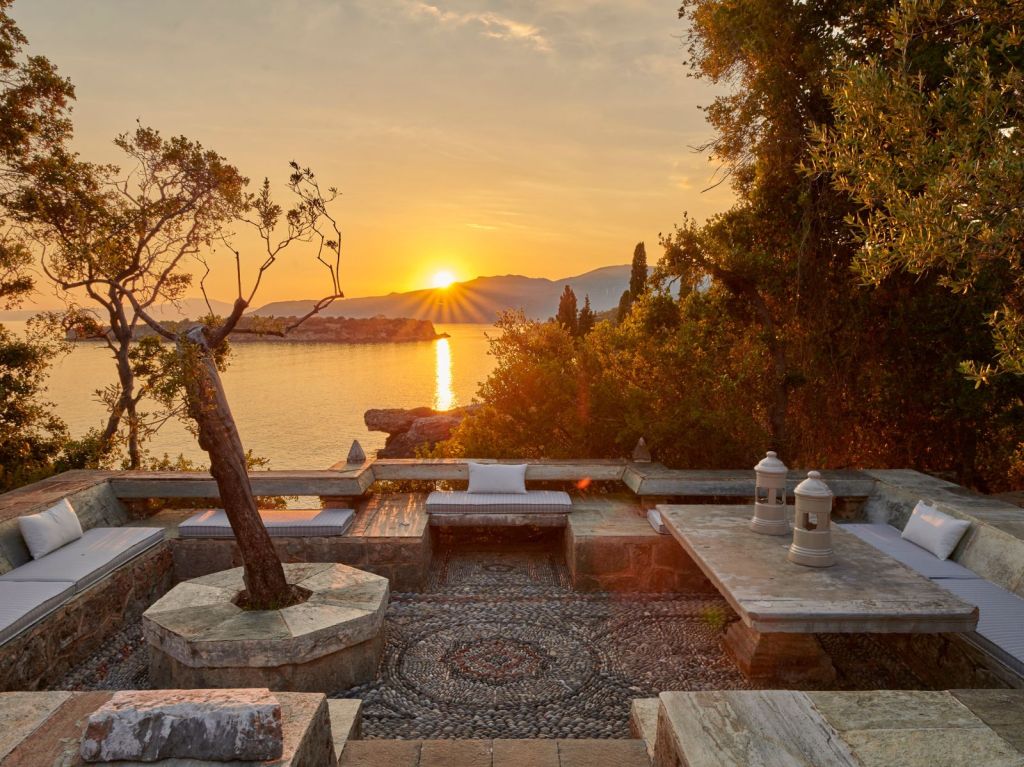
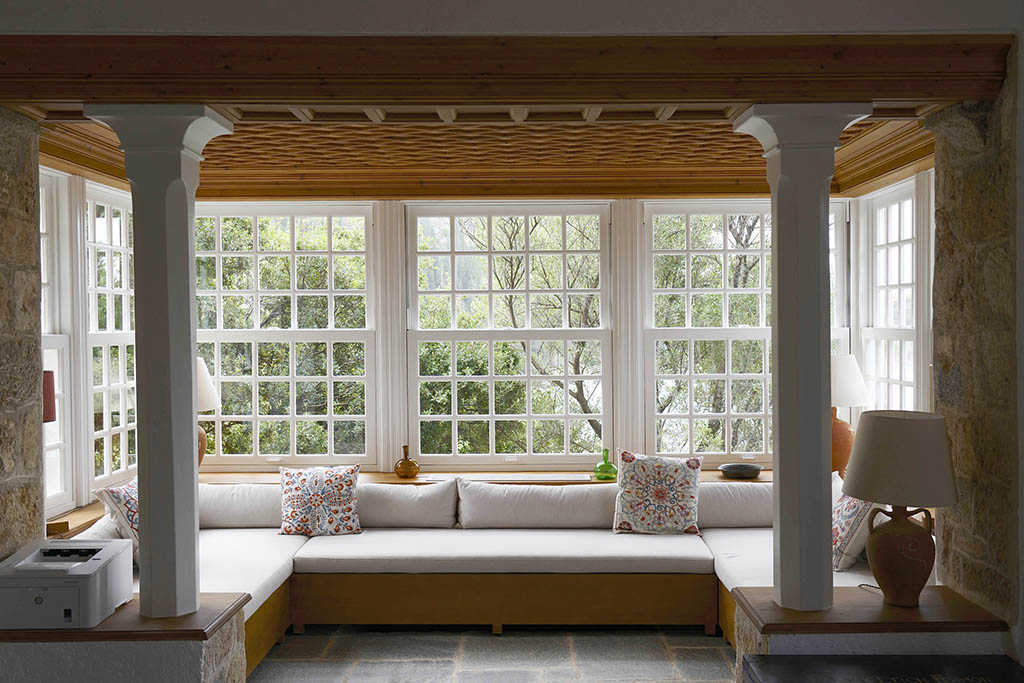
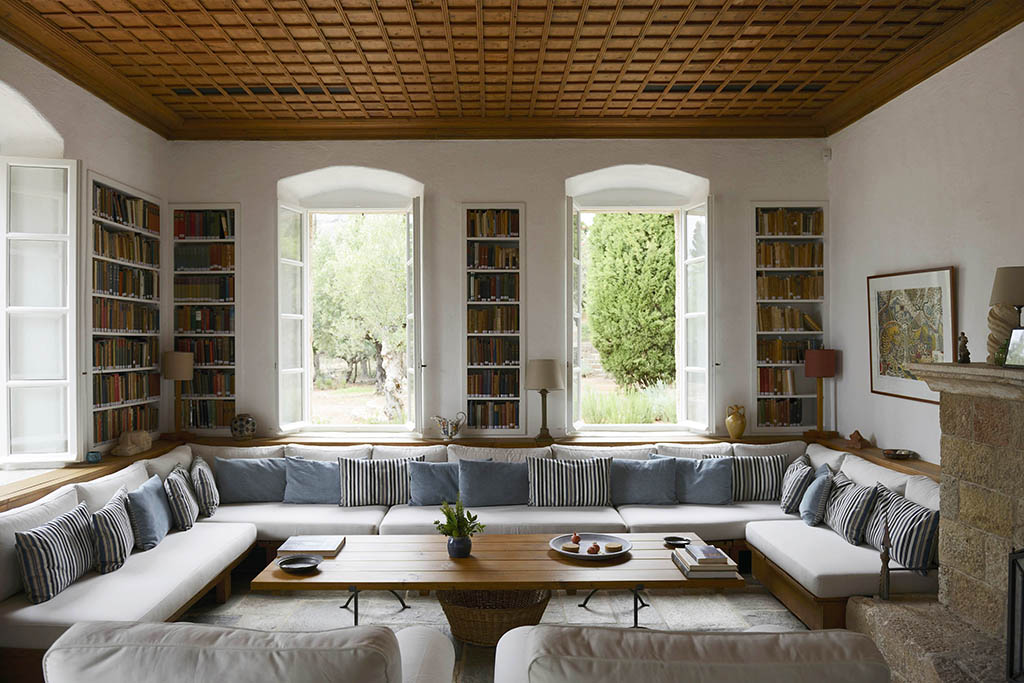
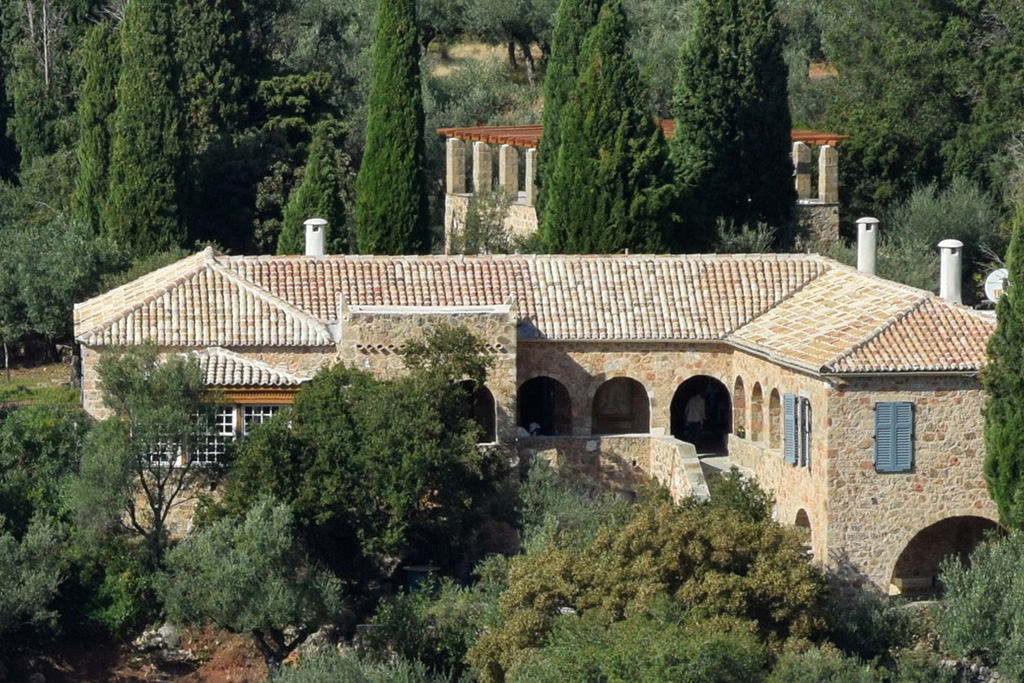
Patrick Leigh Fermor’s house in Kardamyli has become a destination in its own right – The famous British author and war hero lived here and bequeathed the house to the Benaki Museum, which now runs events inlcuding a highly sought-after annual festival dedicated to enhancing Anglo-Greek cultural ties. On certain occasions, and through select partners including Five Star Greece, the house is available for private stays.
The wider hinterland of Messinia, Greece, remains deeply rooted in traditional wine-making and olive cultivation.
Activities
- Visit to Patrick Leigh Fermor House in Kardamyli, subject to opening arrangements and advance checks.
- Wine tastings near Filiatra and Gargalianoi, with emphasis on both production method and tasting.
- Olive oil estate visits in Messinia, including mill tastings and harvest-related activities during autumn months.
Day 12-13 – Mystras & Byzantine Greece (Optional Extension)
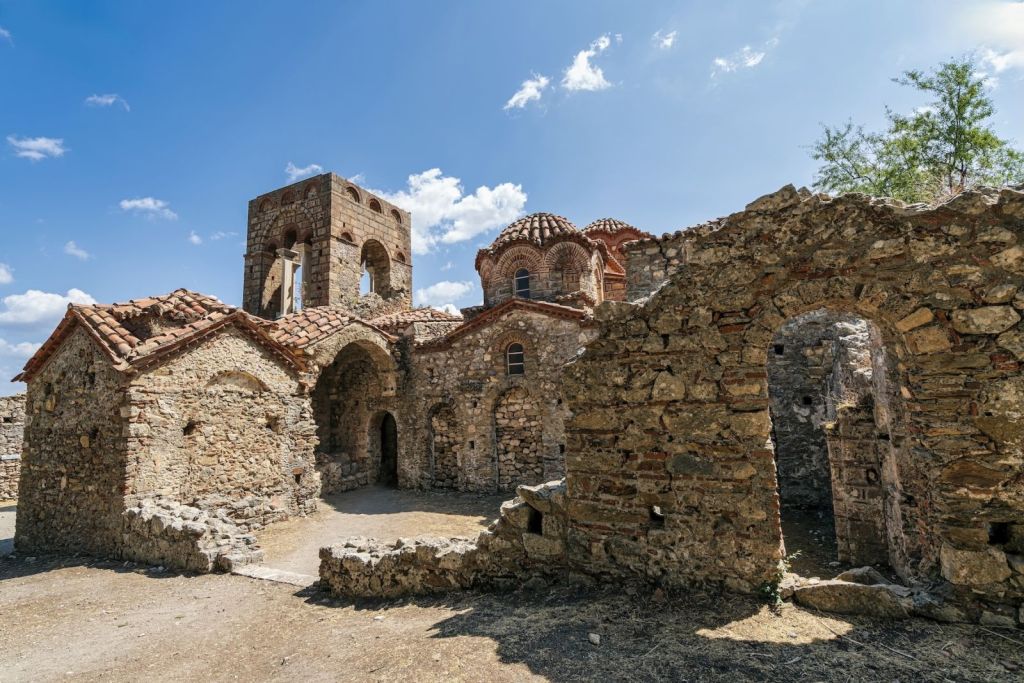
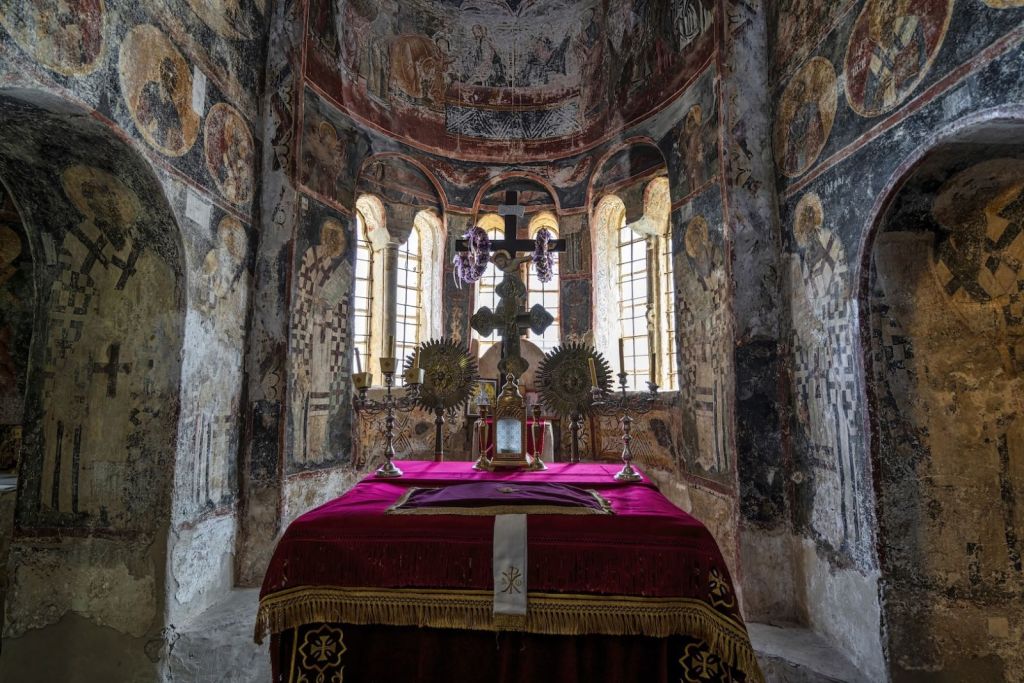
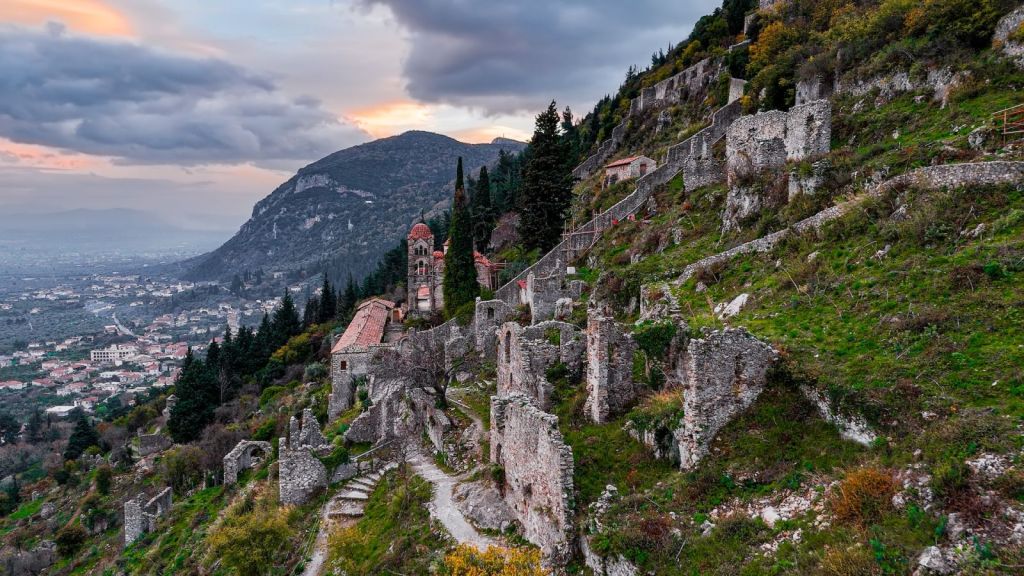
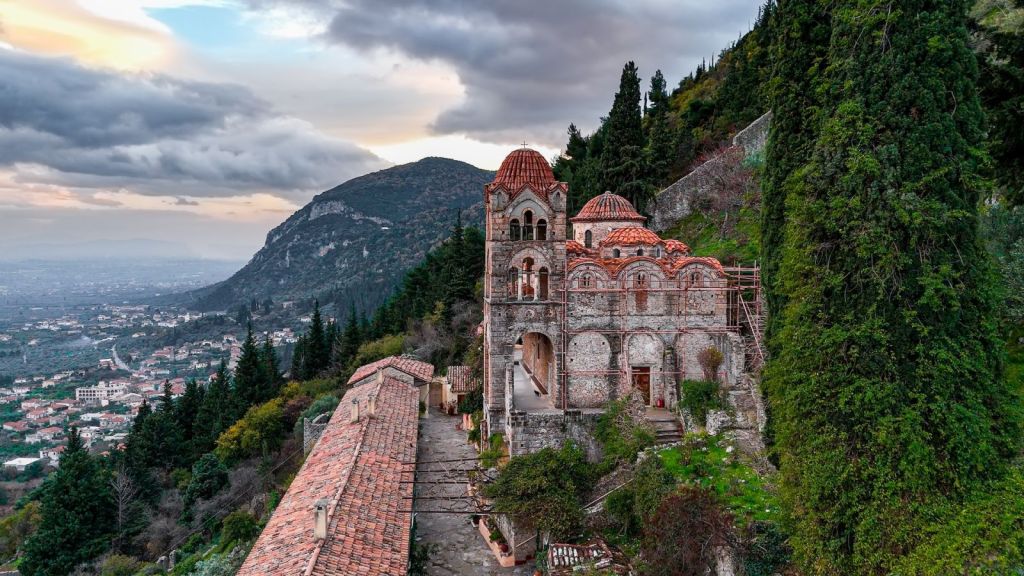
Is Mystras Worth Extending Your Pylos Itinerary?
For travellers returning from Pylos to Athens by car – absolutely. Greece’s most underrated splendour is the Byzantine town of Mystras. It is just over two hours’ drive from Pylos under normal conditions. Roads are generally good, and the distance is only 150 kilometres, but the final section climbs into the Taygetos foothills and slows progress.
We cannot truthfully say that it is a comfortable day excursion from Pylos unless you leave very early, are specifically interested in late Byzantine history, and are comfortable combining long driving with extensive site walking. For those who are though, immense rewards await.
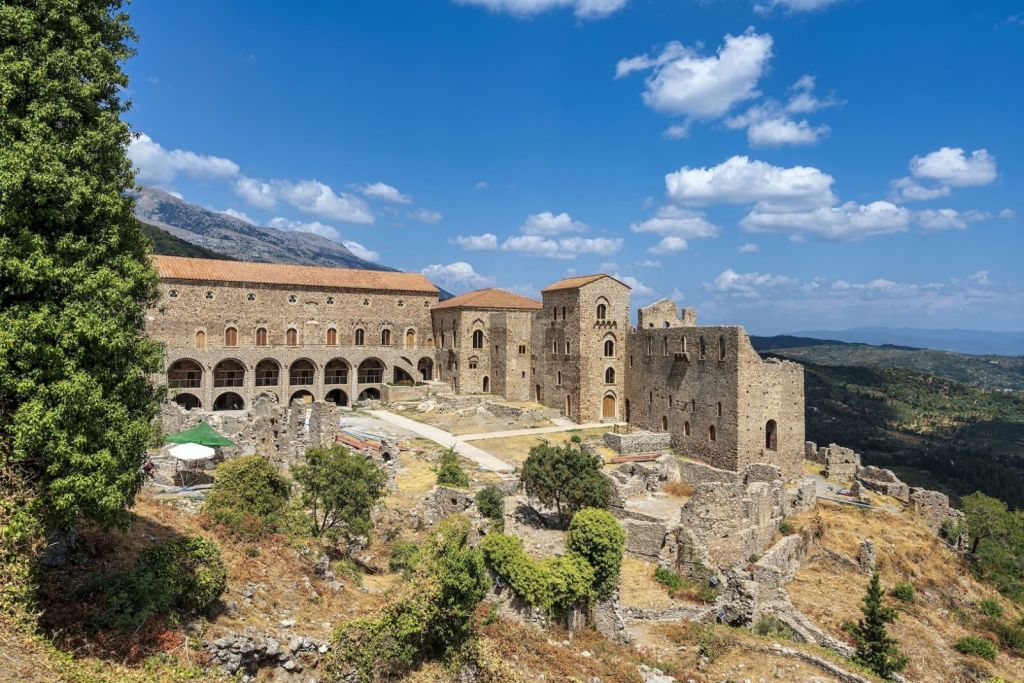
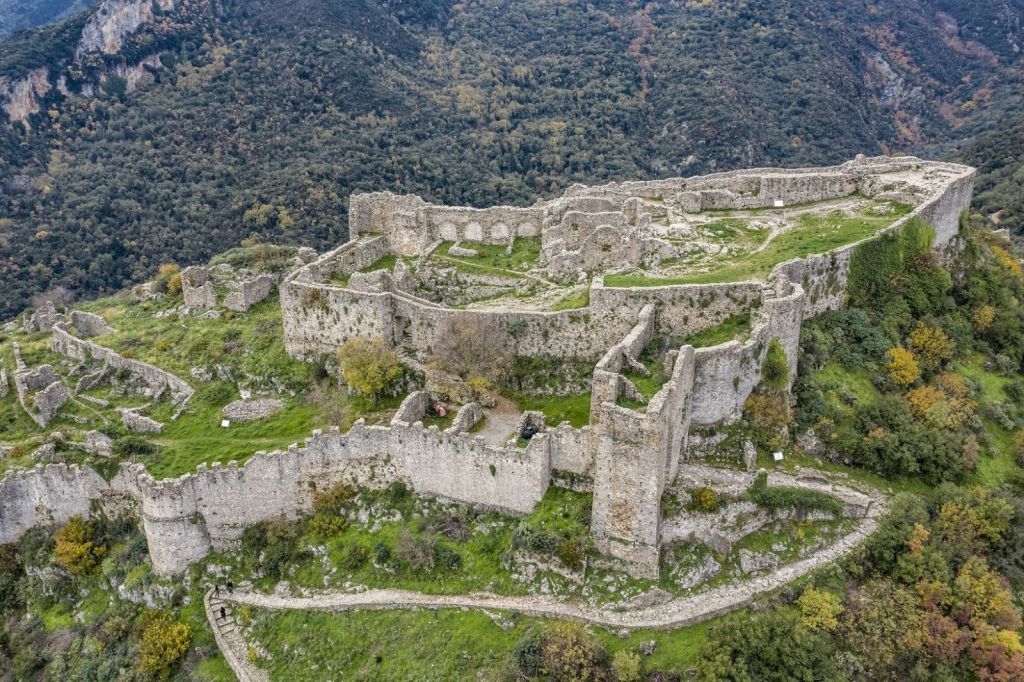
Mystras is a spectacularly located Byzantine ghost town of churches, houses, and palaces clustered across the hills of Laconia – unique in Greece. We would highly recommend reading the “Chronicles of Mystras” by James Heneage, one of Five Star Greece’s amazing villa owners, whose house is for rent in the Mani, from where he will also guide tours himself with enough notice, and if we ask him nicely.
As a teenager, I climbed up a footpath from Mystras that followed a ravine through groves of orange trees, high into the hills. At the top sat a small village that felt almost cut off from the world. The few inhabitants all had blue eyes and blonde hair – direct descendants of the Frankish colonists from medieval times.
Many seemed, in their isolation, to suffer from blindness, which added to the whole surreal fairytale nature of the place, and brought to mind the saying “In the kingdom of the blind, the one-eyed is king”. Those days of roadless isolation are long over, but the fairy tale glamour still clings like fog to the hills and rooftops.
For those extending their journey, consider:
- A boutique stay at Pyrgos of Mystras
- A spa experience at Euphoria Retreat
And for guests staying at our Villa Pylos BBR: just below lies Zanzibar Beach Club on Lambes Beach – one of the most consistently enjoyable beach bars along this stretch of coast. A wide sandy beach, long shallow entry, and clean water make it suitable for adults and children alike. The atmosphere is relaxed rather than ostentatious, with tropical music, fresh seafood, salads, grilled dishes, sandwiches, and sunset lingering as a serious activity in itself.
Why This 12-Day Pylos Guide Works
This 12-day Pylos guide succeeds because it respects geography and pace. Pylos sits at the centre of a region where mythology, classical architecture, Venetian fortresses, olive groves, Ionian beaches, and Byzantine hill towns coexist without spectacle. With a well-positioned villa base in Pylos or Messinia, you can move between coast and countryside, archaeology and swimming, cultural depth and simple pleasures – without packing and repacking every two nights.
If you would like help selecting the right villa in Pylos, Five Star Greece has a beautiful selection of Greek villas for you to choose from.
If this way of travelling resonates, you’ll find more of the same in our travel blog, where we share further insights into places that still feel quietly, confidently themselves.
FAQs About Visiting Pylos & the Western Peloponnese
Is 12 days too long in Pylos?
No. Twelve days allows you to explore Messinia and the Western Peloponnese properly without rushing. Pylos works best as a base for day trips rather than a short stopover.
Do you need a car in Pylos?
Yes. While Pylos town itself is walkable, most beaches, archaeological sites, and inland villages require a car. Public transport is limited and infrequent.
What airport do you fly into for Pylos?
The closest airport is Kalamata International Airport (KLX), approximately 45–60 minutes by car. Athens International Airport is around 3.5 hours by road.
When is the best time to visit Pylos and Messinia?
Late May to early July and September to mid-October offer warm weather without peak August crowds. July and August are lively but hotter.
Can you combine Pylos with Athens?
Yes. Many travellers begin or end their trip in Athens. Mystras makes an excellent overnight stop when driving back toward the capital.
Our team of travel experts are ready to help locate the perfect villa or yacht for your needs.
About the author

Other Blog Posts You Might Like
From our blogAs seen in...












Subscribe to Our Blog